Walk into any menswear store and you will almost certainly hear the terms “sport coat,” “blazer,” and “suit jacket” used interchangeably. Salespeople do it. Fashion bloggers do it. Even your well-dressed uncle probably does it. But here is the truth: these three garments are not the same, and understanding the differences between them can completely transform the way you dress.
Of all the comparisons in men’s style, the sport coat vs blazer debate is one of the most common — and most misunderstood. While they look similar at first glance, they serve different purposes, carry different levels of formality, and are built from different fabrics and construction methods. Getting this distinction right means you will never be underdressed or overdressed again. This guide breaks down everything you need to know about sport coats and blazers — their history, their differences, when to wear each, and how to style them for any occasion in 2026.
A Brief History: Where Did They Come From?
Understanding the origins of each garment goes a long way toward understanding why they look and function the way they do today.
The Blazer can be traced back to the British Royal Navy in 1837. According to popular menswear history, the captain of the HMS Blazer had navy blue jackets with gold buttons made for his crew to impress Queen Victoria during a formal naval review. The look was so striking that men began copying the style, and it quickly spread beyond the military. In the United States, blazers were first embraced by the rowing clubs of elite Ivy League universities before leaping to mainstream fashion. The blazer’s heritage is rooted in formality, structure, and naval precision.
The Sport Coat, by contrast, was developed around the same time — but on land rather than at sea. It was originally worn as a hunting and riding jacket by upper-class English gentlemen in the countryside. Designed for movement, durability, and outdoor use, the sport coat made its way from the field to the pub as a status symbol of the sporting gentleman. It is, in many ways, the original athleisure garment — a 19th-century version of dressing comfortably while still looking polished.
Over time, both garments evolved and adapted to modern fashion. Today, the sport coat and blazer occupy distinct but overlapping spaces in the world of men’s style.
The Key Differences: Sport Coat vs Blazer
While the two garments may appear similar to the untrained eye, there are clear and consistent differences across several categories.
1. Fabric and Texture
This is the most reliable way to tell a sport coat from a blazer.
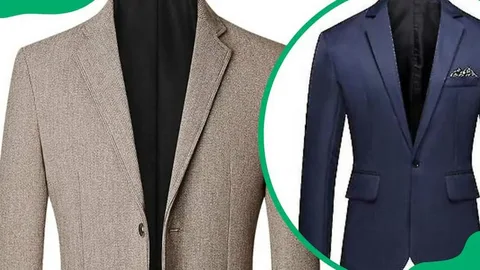
Sport coats are defined by their patterned or textured fabrics. Common materials include tweed, herringbone, corduroy, flannel, hopsack, and plaid. These heavier, more tactile fabrics give sport coats a rustic, casual, and distinctly individualistic character. The patterns are usually bolder — checks, plaids, houndstooth, and other eye-catching designs. The textures add visual depth and a relaxed, outdoorsy quality that reflects the garment’s countryside origins.
Blazers, on the other hand, are typically made from smoother, more refined fabrics such as worsted wool, cotton, or wool blends. They almost always come in solid colors — navy blue and black being the most iconic and popular choices. The fabric and construction of a blazer are more conservative and formal, consistent with its naval heritage.
2. Buttons
One of the quickest visual cues is the buttons. Blazers traditionally feature contrasting metal buttons — gold or silver — which add a touch of formality and elegance that immediately distinguishes them from other jacket styles. Sport coats, by contrast, typically use buttons made from horn, leather, or other natural materials that complement the more casual, textured fabric of the jacket.
3. Structure and Construction
Blazers are generally more structured than sport coats, featuring a defined shoulder, more tailored silhouette, and a cleaner overall line. This structured construction gives the blazer its polished, put-together appearance.
Sport coats are less structured, with a softer shoulder and a more relaxed silhouette. They are designed with a more generous fit that allows for movement and the ability to wear layers underneath in cold weather. You may also find distinctive details on sport coats — such as patch pockets, elbow patches, leather buttons, or ticket pockets — that add to their casual, characterful appeal.
4. Formality Level
In the hierarchy of men’s jackets, the order from most casual to most formal runs: sport coat → blazer → suit jacket.
Sport coats are the most relaxed of the three. They are the go-to choice for smart-casual dressing — the kind of outfit that looks intentional and polished without feeling stiff or overdressed. Blazers sit between formal and casual, offering versatility without the rigidity of a full suit. They are suitable for business casual environments, semi-formal events, and elevated casual gatherings alike.
5. How They Are Worn
A sport coat is always worn as a standalone piece — it is never part of a matching suit and is intentionally designed to be paired with contrasting trousers. Jeans, chinos, corduroy trousers, and grey flannel pants all work beautifully with a sport coat.
A blazer, while also worn without matching trousers, carries a slightly more formal expectation. It pairs best with tailored chinos, dress trousers, or well-fitted dark jeans for a smart-casual look.
When to Wear a Sport Coat
The sport coat is the ultimate smart-casual weapon. Its relaxed nature makes it an excellent choice for a wide range of occasions:
- Casual work environments with a smart-casual dress code
- Date nights at a restaurant or bar where you want to look polished without overdressing
- Weekend social events — brunches, gallery openings, outdoor gatherings
- Reunions and informal celebrations where a suit would feel too stiff
- Travel — a well-chosen sport coat in a wrinkle-resistant fabric is one of the most versatile travel garments you can pack
For a casual look, pair a textured tweed or herringbone sport coat with dark slim-fit jeans, a crew-neck sweater or open-collar shirt, and leather loafers or clean boots. For a slightly more elevated look, swap the jeans for chinos and add a dress shirt.
When to Wear a Blazer
The blazer is the workhorse of the well-dressed man’s wardrobe. Its combination of structure, versatility, and timeless style makes it suitable for a broader range of occasions than the sport coat:
- Business meetings and professional settings with a business casual or smart dress code
- Semi-formal events such as cocktail parties, work functions, or evening dinners
- Weddings as a guest, particularly outdoor or daytime ceremonies
- Job interviews in creative or business casual industries
- Smart-casual occasions where you want to look sharp without wearing a full suit
A navy blazer with khaki or grey trousers is one of the most classic and reliable combinations in men’s fashion. Add a crisp white dress shirt and leather Oxford shoes for a business casual look, or dress it down with a polo shirt and loafers for a more relaxed but still polished appearance.
The Fit Rule That Overrides Everything
Whether you are choosing a sport coat or a blazer, one rule applies above all others: fit is everything. An ill-fitting expensive jacket will always look worse than a perfectly tailored affordable one. The shoulders must sit correctly — this is the foundation of the entire look. The chest should close without pulling, and the sleeves should reveal a small amount of shirt cuff.
When in doubt, have your jacket tailored. Even minor adjustments to the sleeves, waist suppression, or hem length can transform how a garment looks and feels on your body.
Sport Coat vs Blazer: Which Should You Buy First?
If you are building a wardrobe from scratch, a navy blazer is the single most versatile investment you can make. It works across the widest range of occasions, pairs with almost any trouser color, and never goes out of style.
Once you have a solid blazer foundation, a sport coat in a textured fabric — tweed, herringbone, or hopsack — adds personality, casual versatility, and a distinct point of view to your wardrobe. Need versatility? Choose a blazer. Need personality? Choose a sport coat. When you understand the difference, your wardrobe becomes strategic rather than accidental — and that is where true style begins.
Conclusion
The sport coat vs blazer debate is not about which garment is better — it is about understanding what each one does best and deploying them accordingly. The blazer offers polished, structured versatility that bridges formal and casual with ease. The sport coat brings personality, texture, and relaxed confidence to smart-casual dressing. Together, they form the backbone of a well-rounded, stylish wardrobe that is ready for any occasion life throws at you.