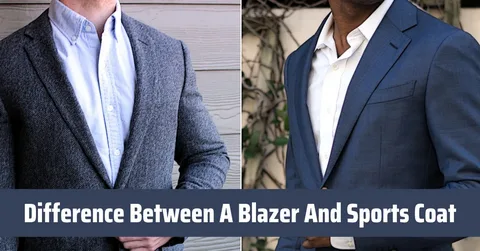
If you have ever stood in front of your wardrobe wondering whether to reach for the navy jacket or the patterned one — and whether it even matters — you are not alone. The blazer vs sport coat debate is one of the most common points of confusion in men’s fashion. The two garments look similar at first glance, the terms are often used interchangeably in everyday conversation, and most men own at least one jacket they cannot quite categorize.
But the difference between a blazer and a sport coat is real, and understanding it matters. It affects which shirt works underneath, what trousers pair well, whether jeans are appropriate, and which shoes complete the look. Wearing the wrong jacket in the wrong setting can quietly undermine an otherwise solid outfit — while wearing the right one signals effortless style and confidence.
This guide breaks down everything you need to know about blazers versus sport coats: their origins, key differences, fabrics, styling rules, and exactly when to wear each one.
A Brief History: Where They Came From
To truly understand the blazer vs sport coat distinction, it helps to know where each garment originated — because their histories explain almost everything about how they look and feel today.
The Blazer traces its roots to the British Royal Navy. According to popular menswear history, the blazer can be traced back to the crew of a British naval vessel called the HMS Blazer, whose captain had navy blue jackets with gold buttons made to impress Queen Victoria during a formal review in 1837. The look was so sharp that men began copying the style, and it gradually made its way from naval uniforms into mainstream fashion. In the United States, blazers were first worn mostly by the rowing clubs of elite Ivy League schools before leaping to the broader public.
The Sport Coat, by contrast, was developed around the same time but on land rather than sea. It was originally worn as a hunting and riding jacket by upper-class gentlemen in the English countryside — essentially the athleisure of the 1800s. It made its way from the field to the pub as a status symbol for the sporting gentleman, and its casual, rugged character has remained central to its identity ever since.
These two distinct origins — naval formality versus countryside practicality — set the tone for everything that separates a blazer from a sport coat today.
The Key Differences: Blazer vs Sport Coat
While blazers and sport coats are both standalone jackets designed to be worn without matching trousers, several important characteristics set them apart.
1. Fabric and Texture
This is the single most important distinction between the two garments.
A blazer is typically made from smooth, solid-colored fabrics such as wool, cotton, linen, or blended materials. The construction is more structured, with a defined shoulder and a tailored silhouette. Common colors include navy, black, and gray. The clean, uniform surface of a blazer is what gives it its polished, versatile character.
A sport coat, on the other hand, embraces texture and pattern as defining features. Sport coats are made from thicker, more tactile fabrics like tweed, flannel, herringbone, or corduroy. They often come in bold patterns — checks, plaids, windowpane, or houndstooth. Even without obvious patterns, a sport coat might feature rich, tactile textures that catch light differently across the surface. These heavier fabrics give the sport coat warmth, depth, and visual personality.
The rule of thumb: if the jacket is solid-colored with a smooth finish, it is a blazer. If it features a prominent pattern or rich texture, it is a sport coat.
2. Buttons
Traditional blazers often feature metal buttons in gold or silver — a direct holdover from their naval origins. Contemporary blazers have largely moved toward horn, leather, or standard plastic buttons that blend with the jacket’s color, as metal buttons can feel dated in modern styling. Sport coats typically use more casual button materials like horn or leather, and may also feature distinctive details like elbow patches, ticket pockets, or patch pockets that reinforce their relaxed, countryside heritage.
3. Fit and Construction
Blazers are cut with a more structured, tailored silhouette — clean waist suppression, defined shoulders, and a sharper overall shape. Sport coats are designed with a more generous, relaxed fit that allows for movement and the ability to wear layers underneath in cold weather. The softer shoulder and less structured silhouette of a sport coat gives it a more casual, easygoing drape.
4. Formality Level
A blazer sits between a formal suit jacket and a casual sport coat on the formality spectrum. It is more formal than a sport coat but less formal than a full suit. A sport coat is the most casual of the three jacket types — perfect for smart-casual and informal occasions where you want to look put-together without the stiffness of a blazer or suit.
When to Wear a Blazer
The blazer is one of the most versatile garments in any man’s wardrobe. Its solid color and structured build make it adaptable across a wide range of occasions:
- Business casual offices: Paired with dress trousers or chinos, a blazer projects professionalism without the formality of a full suit.
- Dinner dates and social events: A navy or black blazer worn over a crisp button-down shirt adds sophistication to an evening out.
- Semi-formal gatherings: Weddings, cocktail parties, and networking events all call for the kind of polished but relaxed look a blazer delivers effortlessly.
- Smart travel: A blazer keeps your outfit sharp during flights, client meetings, or city exploration without feeling overdressed.
- Casual Fridays: Thrown over dark jeans and a quality t-shirt, a blazer elevates a simple outfit instantly.
If you are ever unsure which jacket to choose, the blazer is almost always the safer, more versatile option.
When to Wear a Sport Coat
The sport coat excels when you want to express personality, add warmth, and dress well without the polish of a blazer. It is the ideal choice for:
- Casual office days: A tweed or herringbone sport coat over a chambray shirt and chinos strikes the perfect smart-casual balance.
- Weekend outings and social gatherings: Family get-togethers, casual brunches, and relaxed networking events are all excellent occasions for a sport coat.
- Outdoor events: True to its countryside origins, the sport coat is perfectly suited for outdoor settings — from garden parties to sporting events.
- Cold weather dressing: Fabrics like tweed, wool, and corduroy add texture and warmth, and a sport coat layered over a sweater or long-sleeve shirt keeps you warm while looking sharp.
- Occasions where personality matters: A boldly patterned sport coat makes a statement that a solid blazer simply cannot.
How to Style Each Jacket
Styling a Blazer: When styling your blazer, opt for a tailored shirt in classic colors like white or light blue. Pair it with dark denim or tailored trousers for a polished yet relaxed look. For footwear, slip-on loafers or leather brogues complete the outfit without making it feel overly formal. A silk or textured tie elevates the look for business settings, while wearing it open over a quality t-shirt keeps things casual.
Styling a Sport Coat: Sport coats pair easily with jeans, chinos, or boots for a relaxed but intentional look. Try a brown houndstooth sport coat with a turtleneck and dark denim for a stylish, easygoing combination. Add a pocket square or lapel pin for personality. Chukka boots or casual loafers complement the laid-back spirit of the sport coat perfectly. Earth tones and classic patterns — houndstooth, plaid, checks — mix effortlessly with different shirts and trousers.
Which One Should You Buy First?
If you can only add one jacket to your wardrobe, start with a navy blazer. It is the single most versatile piece in men’s fashion — wearable across dozens of occasions, with almost any combination of trousers and shirts. You can wear a blazer fifty different ways, while a boldly patterned sport coat might only work with specific combinations.
Once your blazer is in place, add a tweed or patterned sport coat to bring personality and texture into your rotation. Together, these two jackets cover virtually every smart-casual to business-casual occasion you will encounter.
Conclusion
The blazer vs sport coat debate ultimately comes down to one fundamental question: do you need versatility or personality? Need versatility? Choose a blazer. Need personality? Choose a sport coat. When you understand the difference between these two essential garments, your wardrobe becomes strategic rather than accidental — and that is where true, effortless style begins.