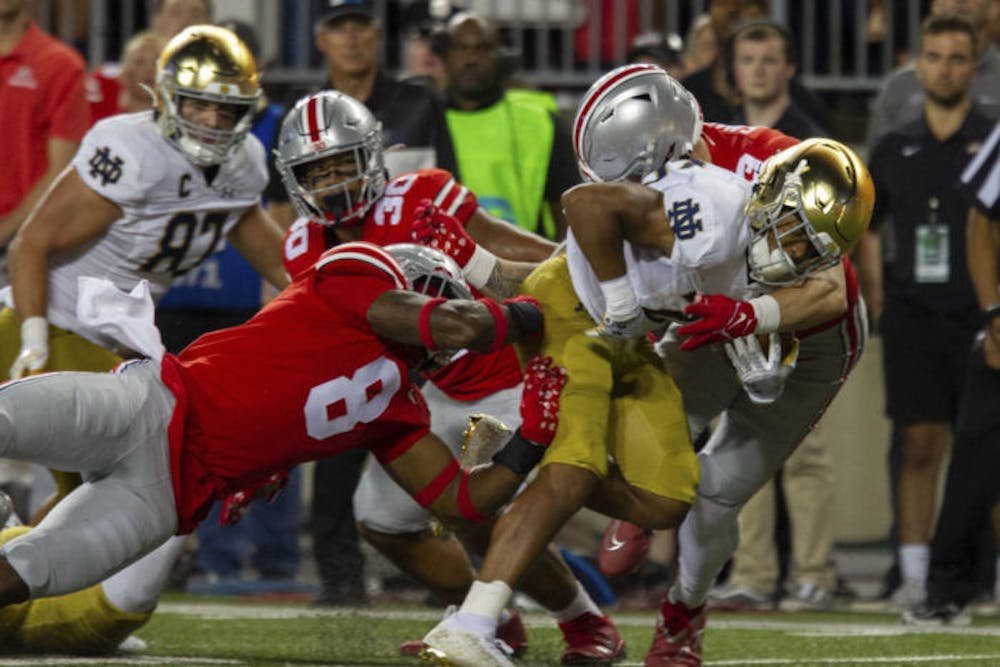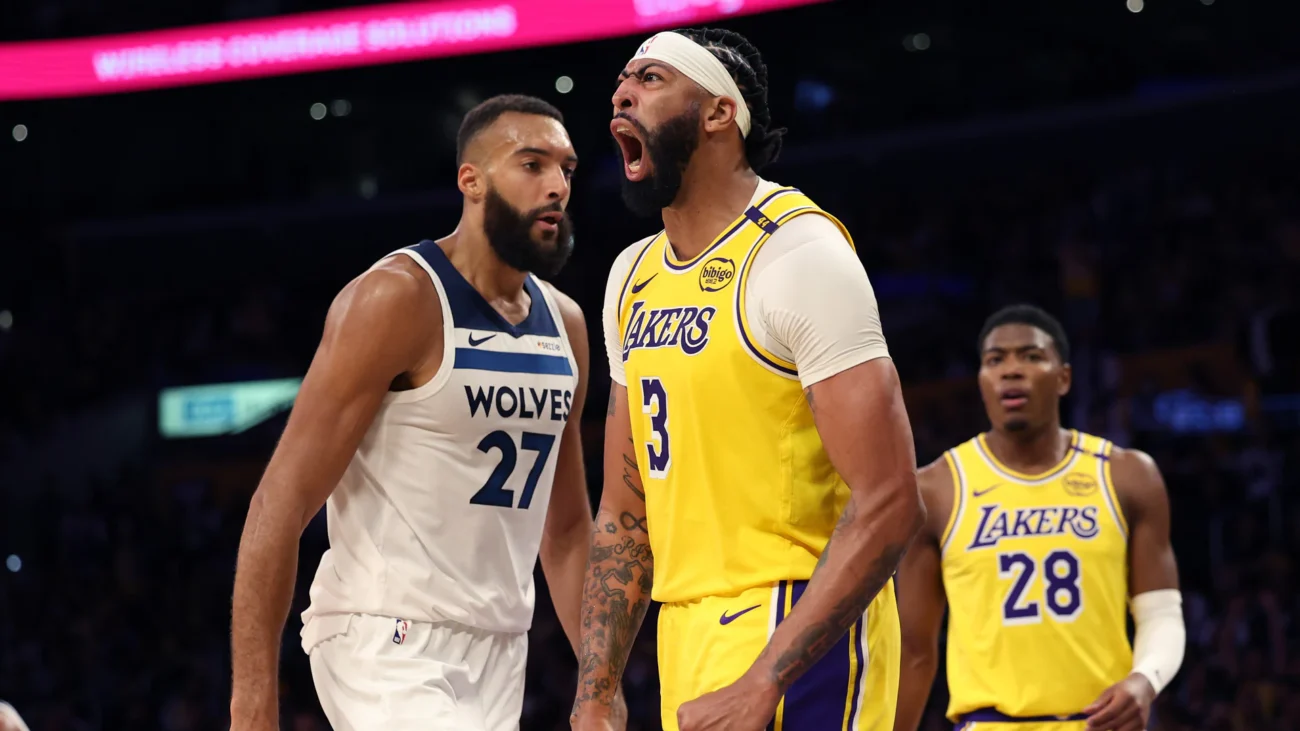
Whether you’re a professional athlete, a weekend warrior, or someone who simply enjoys staying active, your body is constantly under physical demand. Muscles strain, joints twist, and ligaments stretch — sometimes beyond their limits. That’s where sports physical therapy comes in. More than just a recovery tool, sports physical therapy is a comprehensive, science-backed discipline that helps athletes of all levels heal faster, move better, and perform at their peak.
What Is Sports Physical Therapy?
Sports physical therapy is a specialized branch of physical therapy focused on the prevention, evaluation, treatment, and rehabilitation of sports-related injuries. Unlike general physical therapy, which addresses a broad range of conditions, sports physical therapy zeroes in on the unique demands that athletic activity places on the human body.
Sports physical therapists have not only studied and practiced physical therapy extensively, but they specialize in athletic training and sports injuries. This specialized training allows them to understand not just the common injuries of various sports, but also the physical improvements needed for specific athletic moves. When an injured athlete begins sports physical therapy, the specialist designs a rehabilitation plan tailored to healing the injury and returning the athlete to their specific sport — all with an eye toward improving performance and avoiding reinjury.
Sports physical therapy focuses on recovery from sports injuries and may also improve an athlete’s range of motion or strength in the body’s joints — making it a powerful tool both during and between competitive seasons.
Common Sports Injuries Treated
While each sport tends to have its own specific risks, some injuries are common across a wide cross-section of athletes:
Sprains and Strains — Injuries to ligaments, tendons, or muscles are among the most frequent in sport. Although these tend to be short-term, physical therapy can hasten healing and prevent them from becoming ongoing problems.
ACL Tears and Knee Injuries — Several sports force the knee into sudden twisting and extending motions, making ACL tears and other knee problems a pressing concern. Sports physical therapists use targeted rehabilitation protocols to restore stability, strength, and confidence in the joint.
Shoulder Injuries — Rotator cuff tears, impingement, and dislocations are common in throwing and overhead sports. Structured rehab helps restore full range of motion and functional strength.
Overuse Injuries — Conditions like shin splints, stress fractures, and tendinitis develop gradually from repetitive motion. Sports physical therapy addresses the root cause, not just the symptoms, through load management, biomechanical corrections, and progressive strengthening.
Key Benefits of Sports Physical Therapy
1. Faster Recovery From Injuries
Sports medicine physical therapy is routinely recommended for injured athletes because it is a time-tested method for getting back to recreational or competitive sports as soon as possible, with the least overall impact. Physical therapy works quickly to reduce pain and inflammation, allowing for a swift return to play. Hands-on manual therapy techniques and various treatment modalities help reduce pain while promoting the body’s natural healing process.
2. Injury Prevention
One of the primary benefits of physical therapy for athletes is injury prevention. A well-designed program targets muscle imbalances, enhances flexibility, and improves overall strength, reducing the risk of common sports injuries. Physical therapists conduct comprehensive assessments that evaluate strength, power, balance, agility, and biomechanics — identifying potential issues and making adjustments before injuries occur.
Evidence from the World Physiotherapy Congress 2025 in Tokyo reinforced the need for sports physiotherapists to identify and address risk factors, design individualized prevention programs, and apply advanced expertise when working with athletes. Multimodal prevention programs, such as individualized training plans and appropriate load management strategies, have been shown to reduce injury risk significantly.
3. Enhanced Performance
The benefits of sports physical therapy go far beyond injury management. Physical therapy can help athletes maximize their efficiency and effectiveness in their sport by refining techniques and correcting movement patterns. The specific muscle groups each sport requires can vary widely, which is why working with a physical therapist who can target therapy to your sport is crucial for performance gains.
4. Pain Management Without Medication
Athletes are often restricted in terms of what substances they can take for pain. Fortunately, physical therapists offer a full range of drug-free pain management, including heat, icing, massage, and therapeutic exercise. Research in 2025 confirms that physical therapy not only helps in recovery from injuries but also plays a crucial role in decreasing opioid dependence — a significant benefit for competitive athletes subject to drug testing.
5. Improved Flexibility and Mobility
Physical therapists work injured joints and surrounding areas gently but efficiently, helping to improve both range of motion and flexibility. That targeted treatment not only improves performance but also reduces the risk of further injury.
Core Techniques Used in Sports Physical Therapy
Modern sports physical therapy combines time-tested hands-on methods with cutting-edge technology:
Manual Therapy and Massage — Improves circulation, eases tension and pain, and helps therapists further diagnose problem areas. Joint mobilization involves gentle, rhythmic movements applied to a joint to improve motion and reduce pain.
Therapeutic Exercise — Progressive, sport-specific exercise programs that rebuild strength, endurance, and neuromuscular control. Therapists create personalized exercise plans that address specific needs, improve mobility and range of motion, address muscle imbalances, and correct posture or gait issues.
Electrical Stimulation — Builds muscles, reduces pain, and improves circulation. This modality is particularly useful in the early stages of recovery when active exercise is limited.
Dry Needling, Cupping, and Myofascial Release — Therapists employ these techniques with greater precision to release soft tissue restrictions, reduce muscle tension, and accelerate healing.
Blood Flow Restriction (BFR) Therapy — Involves the restriction of blood flow to a particular limb or region while performing exercise. This allows athletes to build strength with lower loads, making it ideal for early-stage rehabilitation.
Compression Therapy and Red Light Therapy — Compression therapy improves circulation and mobility while easing soreness. Red light therapy helps blood cells speed healing and supports overall energy recovery.
AI-Powered Rehabilitation Tools — AI rehab tools use sensors, motion tracking, and machine learning to analyze patient movements and provide real-time feedback. They personalize treatment plans, improve accuracy, and support remote therapy. Studies show AI-integrated therapy practices achieve measurably better patient outcomes while reducing treatment time.
The Role of Prevention in Modern Sports Physical Therapy
In 2025, sports physical therapy is no longer just reactive — it’s increasingly proactive. Preventative care is a major focus, with therapists working to identify and address potential issues before they lead to injuries or chronic conditions. Regular PT sessions are becoming a routine part of maintaining overall health and mobility for athletes at every level.
Sustainable performance is founded on sustainable health, and sports physical therapists are at the cornerstone of that mission. Tertiary prevention strategies include evidence-based protocols, workload monitoring, and interdisciplinary collaboration to promote career longevity. Sustainable practice requires seamless cooperation among physiotherapists, coaches, trainers, physicians, psychologists, and nutritionists.
Early intervention is also critical. Research highlighted by The Washington Post showed that earlier physical therapy intervention after concussions accelerated symptom improvement compared to delayed treatment — a finding that reinforces the clinical importance of prompt access to sports physical therapy.
Who Should See a Sports Physical Therapist?
Sports physical therapy is not exclusively for elite athletes. It is beneficial for:
- Recreational athletes recovering from weekend sports injuries
- Student athletes dealing with overuse injuries or growth-related conditions
- Post-surgical patients requiring structured rehabilitation after procedures like ACL reconstruction
- Active adults looking to maintain mobility, prevent injury, and improve functional fitness
- Anyone returning to sport after a period of inactivity or illness
Young adults aged 18–34 report the highest satisfaction levels with physical therapy, with 91% finding their treatment beneficial — a testament to how well sports-focused PT aligns with the goals and expectations of active individuals.
Conclusion
Sports physical therapy is one of the most powerful investments an athlete can make in their long-term health and performance. From accelerating recovery after injury to preventing problems before they start, from drug-free pain management to cutting-edge AI-assisted rehabilitation, modern sports physical therapy offers a comprehensive, personalized, and evidence-based approach to keeping you in the game.
If you’re dealing with a sports injury, experiencing recurring pain, or simply want to move and perform better, consulting a qualified sports physical therapist is your best first step. The goal isn’t just to get you back on the field — it’s to make you stronger, more resilient, and more capable than before.