You got inked years ago, and now that tattoo just doesn’t fit who you are anymore. Whether it’s a name that belongs to the past, a design you’ve outgrown, or artwork you simply regret, tattoo removal has never been more accessible — or more effective. With next-generation laser technology now widely available, millions of people are searching for “tattoo removal near me” every year. This guide covers everything you need to know: how the process works, what it costs in 2026, how many sessions to expect, and how to find a qualified provider in your area.
How Laser Tattoo Removal Works
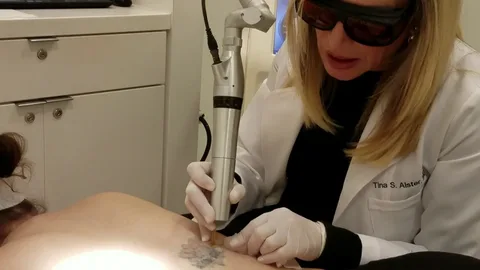
Modern tattoo removal is almost entirely laser-based. The laser emits concentrated pulses of light energy that penetrate the skin and shatter tattoo ink particles into tiny fragments. Once fragmented, your body’s own lymphatic and immune system naturally flushes those particles out over the following weeks — which is why you continue to see fading for months after each session.
Sessions are spaced 6–10 weeks apart to give your skin time to heal and your body time to clear the broken-down ink. Most people notice significant fading after the first two or three sessions, though complete removal typically requires more. The tattoo will look progressively lighter with each visit until it’s either fully gone or faded enough for a cover-up.
Types of Laser Technology: Q-Switched vs. Picosecond
Not all tattoo removal lasers are the same, and the technology used at a clinic directly affects your results, your comfort, and the number of sessions you’ll need.
Q-Switched (Nanosecond) Lasers have been the traditional gold standard for decades. They deliver heat-based pulses to fracture ink and are highly effective for black and dark-colored ink. Most people require 6–12 or more sessions with Q-switched lasers, depending on tattoo size and complexity.
Picosecond Lasers — including brands like PicoSure, PicoWay, and Enlighten — represent the next generation of removal technology and are rapidly becoming the new standard in 2026. Operating 100 to 1,000 times faster than Q-switched lasers, picosecond devices use ultra-short pressure waves rather than heat to shatter ink into finer, dust-like particles. The result: faster clearance, better results on stubborn colors like blue, green, and purple, and fewer total sessions — typically 4–8 for many tattoos. Picosecond sessions cost 20–40% more per visit, but the reduced session count often makes the overall cost comparable or even lower.
When researching providers, always ask which laser technology they use. A clinic with picosecond equipment is generally better equipped for complex, colorful, or stubborn tattoos.
What Factors Affect How Many Sessions You’ll Need?
Tattoo removal is not one-size-fits-all. Several variables determine how quickly and completely your tattoo fades:
- Tattoo size: Larger tattoos require more time under the laser and more sessions overall.
- Ink colors: Black and dark gray respond best to laser treatment. Blues, greens, and yellows are more resistant and may require additional sessions or specialized wavelengths.
- Ink age: Older, already-faded tattoos often require fewer sessions than fresh, vibrant work.
- Ink depth and density: Professional tattoos are applied deeper and more densely than amateur work, meaning they typically take longer to remove.
- Skin tone: Lighter skin allows technicians to use more aggressive settings safely. Darker skin tones require more careful, conservative treatment to avoid hyperpigmentation or hypopigmentation — so choose a provider experienced with your skin tone.
- Body location: Tattoos closer to the heart (chest, upper back) fade faster due to better circulation. Extremities like hands and feet take longer.
- Your immune system: Your body’s ability to clear fragmented ink particles varies from person to person.
2026 Tattoo Removal Costs
Tattoo removal is a cosmetic procedure and is not covered by health insurance. Costs vary based on tattoo size, the technology used, and your geographic location.
Average cost per session (2026):
- Small tattoo (1–2 sq in): $200–$300
- Medium tattoo (3–6 sq in): $300–$400
- Large tattoo (7+ sq in): $400–$500+
- Full sleeve: $600–$800 per session
- National average per session: approximately $350–$425
Total removal cost: Complete removal of a single tattoo typically runs $1,000–$10,000+ depending on size, complexity, and sessions needed. A small, simple black tattoo might be fully removed in 4–6 sessions for under $2,000. A large, multicolored piece could require 10 or more sessions and cost $5,000 or more in total.
Package pricing: Many providers, including national chains like Removery, offer unlimited-session packages for a flat rate — often saving clients 30–40% compared to paying per session. If you’re committed to full removal, a package deal is usually the smarter financial choice.
Financing: Since insurance doesn’t cover removal, most clinics offer financing through CareCredit, Sunbit, Cherry Finance, or in-house payment plans. Monthly payment options make the cost more manageable for most budgets.
What to Expect During a Session
Most reputable tattoo removal clinics offer a free consultation to evaluate your tattoo, discuss your goals, and provide a realistic session and cost estimate. Take advantage of this — it’s also a great opportunity to assess the clinic’s equipment and the technician’s experience.
On treatment day, a topical numbing cream is applied 15–30 minutes before your session. The actual laser treatment typically lasts 5–20 minutes depending on tattoo size. During the procedure, the skin briefly turns white — a phenomenon called “frosting” — which is a normal reaction to the laser energy.
The sensation is often described as a rubber band snapping against the skin. It’s uncomfortable but very fast, and numbing cream significantly reduces discomfort.
After the session, a healing ointment is applied and the area is bandaged. You’ll remove the bandage within 1–2 hours, then keep the area clean with antibacterial soap and apply Aquaphor or a similar ointment for about a week. Temporary redness, swelling, and minor blistering are all normal parts of the healing process. Most people return to normal activities the same day — there’s no significant downtime.
Removal vs. Fading for a Cover-Up
Full removal isn’t the only option. Many people choose to fade their tattoo just enough to make a cover-up design possible — often requiring only 1–3 sessions rather than 6–12. This is a cost-effective middle ground if you want new ink in the same location rather than completely clear skin.
Talk to both a tattoo removal specialist and a tattoo artist if you’re considering this route. The removal provider can assess how much fading is needed, and the tattoo artist can advise on what cover-up designs will work best over lightened ink.
Risks and Side Effects to Know
Laser tattoo removal is generally safe when performed by a qualified technician using FDA-cleared equipment — but it’s not without risks:
- Temporary redness, swelling, and blistering are common and expected during healing.
- Hypopigmentation or hyperpigmentation (skin lightening or darkening) can occur, particularly in darker skin tones.
- Scarring is rare but possible, especially with improper aftercare or undertrained technicians.
- Incomplete removal — some ink colors and tattoo types are highly resistant, and complete clearance is not always guaranteed.
Choosing a certified, experienced provider dramatically reduces these risks.
How to Find Tattoo Removal Near You
With removal clinics ranging from medical spas to dermatology offices to national chains, here’s how to find the right one:
- Search Google, Yelp, and RealSelf for “tattoo removal near me” and read recent reviews.
- Ask about laser technology — picosecond lasers (PicoSure, PicoWay, Enlighten) are the current standard of care.
- Request before-and-after photos of tattoos similar in size, color, and skin tone to yours.
- Verify credentials — look for board-certified dermatologists, plastic surgeons, or certified laser technicians.
- Confirm FDA-cleared equipment is being used.
- Ask about skin tone experience if you have medium to dark skin — this matters significantly for safety.
- Compare pricing models — pay-per-session vs. flat-rate packages. Get 2–3 quotes before committing.
- Take advantage of free consultations — most reputable clinics offer them, and they’re the best way to get a personalized estimate.
The Bottom Line
Tattoo removal in 2026 is safer, faster, and more effective than ever. With picosecond laser technology now widely accessible, many tattoos that once seemed permanent can be cleared in fewer sessions with less discomfort than older methods required. Whether you want a clean slate or just enough fading for a fresh cover-up, there are skilled providers in virtually every market ready to help.
Start with a free consultation at two or three local clinics, compare their technology and pricing, and choose a provider whose experience and transparency give you confidence. Your skin — and your future self — will thank you.