If you’ve been searching for “lymphatic drainage massage near me,” you’re not alone. This specialized therapy has surged in popularity in recent years — and for good reason. Whether you’re recovering from surgery, managing a chronic health condition, or simply looking to reduce puffiness and boost your overall wellness, lymphatic drainage massage offers a wide range of benefits. This guide covers everything you need to know: what it is, how it works, who it’s for, what to expect during a session, and how to find the best provider in your area.
What Is Lymphatic Drainage Massage?
Lymphatic drainage massage — also known as Manual Lymphatic Drainage (MLD) — is a very gentle, light-pressure technique designed to support the body’s lymphatic system. Unlike a deep tissue or Swedish massage that targets muscles, this therapy focuses on the fluid that runs just beneath the surface of your skin.
The lymphatic system plays a critical role in your body’s immune function and fluid balance. It moves lymph — a clear fluid containing proteins, waste products, and immune cells — throughout the body. Crucially, unlike the circulatory system which has the heart as its pump, the lymphatic system has no dedicated pump of its own. It relies on muscle movement, breathing, and external stimulation like massage to keep fluid flowing properly.
When lymph flow is impaired — due to surgery, illness, injury, or other factors — fluid can collect in tissues, leading to swelling known as lymphedema. Lymphatic drainage massage aims to encourage normal flow and reduce that fluid buildup in a safe, controlled way.
Key Benefits of Lymphatic Drainage Massage
Lymphatic drainage massage offers a wide spectrum of benefits, from medically significant to cosmetic. Here’s what the therapy can do for you:
Reduce Swelling and Fluid Retention This is the most well-documented benefit. The massage helps move excess lymph fluid away from swollen tissues and toward lymph nodes where it can be reabsorbed. It’s particularly effective after surgery, injury, or for those managing chronic lymphedema.
Support Post-Surgery Recovery Many people seek out lymphatic drainage massage after plastic or orthopedic procedures. Post-surgical swelling is common, and when it becomes excessive or takes too long to clear, lymphatic drainage therapy can help speed up recovery and reduce discomfort.
Immune System Support Because the lymphatic system is a key part of your immune defenses, keeping it functioning well can help your body fight off illness more effectively. Healthy lymph flow supports your body’s ability to process and eliminate waste and pathogens.
Relief from Chronic Conditions Lymphatic drainage massage can help treat a variety of conditions including fibromyalgia, rheumatoid arthritis, osteoarthritis, chronic venous insufficiency, and even symptoms related to menopause. It’s also commonly used to provide relief from chronic sinus congestion and recurring infections.
Glowing Skin and Reduced Facial Puffiness Facial lymphatic drainage has grown into one of the most popular cosmetic treatments of recent years. It can increase blood circulation, reduce puffiness, and give your skin a refreshed, glowing appearance. It’s also highly effective at reducing swelling after facial surgery, dental work, or minor injuries.
Stress Relief and Relaxation The slow, rhythmic nature of the massage activates the parasympathetic nervous system, helping your body shift into a deeply relaxed state. Many clients report feeling significantly calmer and less tense after a session.
Who Should Consider Lymphatic Drainage Massage?
You may benefit from lymphatic drainage massage if you experience any of the following:
- Persistent swelling in your arms, legs, face, or hands — especially if it worsens at the end of the day or after prolonged sitting or standing
- Puffiness or bloating that doesn’t resolve on its own
- Chronic sinus infections or nasal congestion
- Skin conditions like acne, dryness, or recurring rashes
- Swollen lymph nodes in the neck
- Recovery from surgery, especially procedures involving lymph node removal
- Fatigue and a general feeling of sluggishness
Breast cancer survivors who have undergone lymph node removal are among the most common candidates for this therapy, as the procedure can lead to chronic lymphedema — a condition that causes ongoing swelling in the affected limb.
Who Should Avoid It?
While lymphatic drainage massage is safe for most people, it is not appropriate for everyone. You should avoid this therapy — or consult your doctor before booking — if you have:
- Active infections or fever
- Uncontrolled heart failure
- Recent or active blood clots
- Active cancer (without oncologist approval)
- Severe kidney disease
Always consult with a healthcare provider before trying lymphatic drainage therapy to determine if it’s the right fit for your specific health situation.
What to Expect During a Session
If you’ve never had a lymphatic drainage massage before, knowing what to expect can help you feel more comfortable going in.
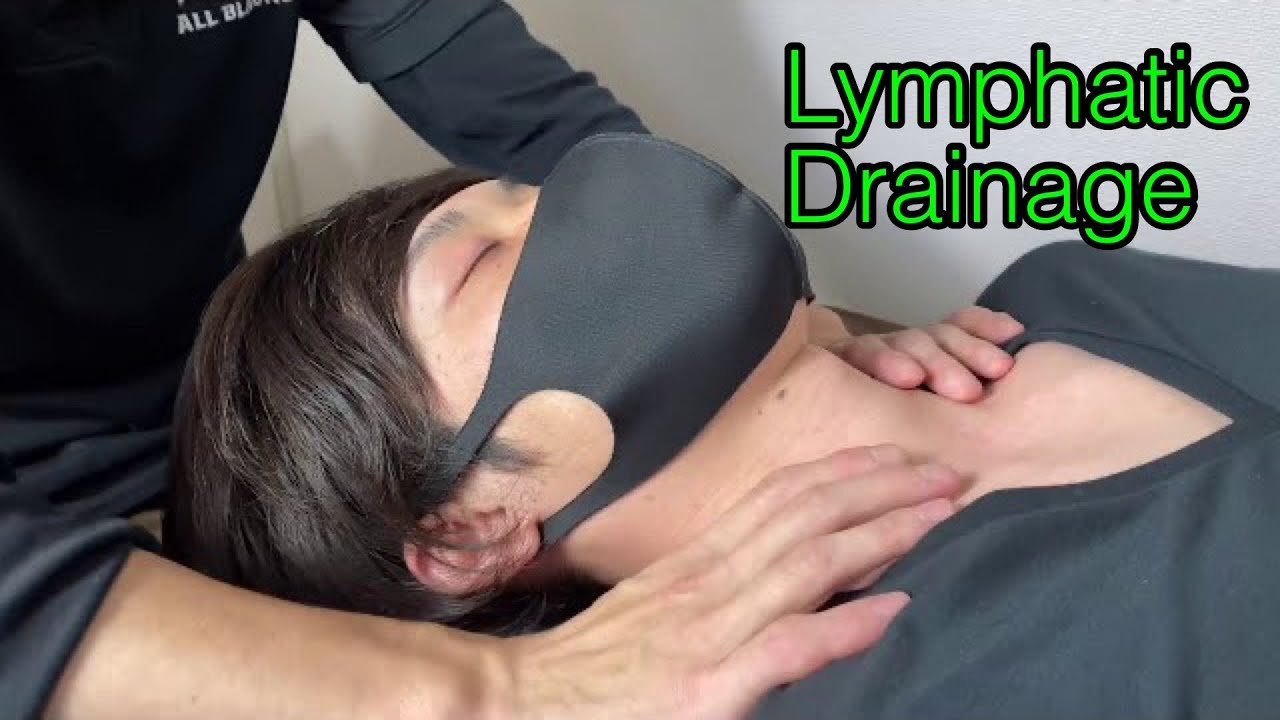
You’ll typically lie on a massage table while the therapist uses light, rhythmic strokes to stimulate your lymph flow. The pressure is much gentler than a regular massage — it should never cause pain or discomfort. The therapist usually begins at the neck or trunk, working on areas that drain well before moving toward swollen or congested regions. Toward the end of the session, they’ll gently coax excess lymph fluid from the targeted tissues toward the lymph nodes.
Sessions typically last between 30 and 90 minutes, depending on the areas being treated and the purpose of the visit. For post-surgical recovery, initial sessions may be shorter (15–25 minutes) and more frequent — sometimes 2 to 3 times per week — before tapering off as swelling subsides and mobility returns.
Many therapists will also teach you basic self-massage techniques to practice at home between appointments, which is especially valuable for managing lymphedema long-term.
How to Find a Lymphatic Drainage Massage Near You
Finding a qualified provider in your area is easier than ever in 2026. Here are the best ways to search:
Use Google or Apple Maps Simply searching “lymphatic drainage massage near me” will pull up local providers with reviews, photos, hours, and directions. Pay close attention to star ratings and written reviews — especially from clients who mention post-surgical recovery or lymphedema treatment, as these indicate a therapist with real clinical experience.
Use Booking Platforms Apps like Booksy allow you to browse local massage therapists and wellness spas, filter by specialty, read verified client reviews, and book appointments directly. This makes it easy to compare multiple providers at once and find one that fits your schedule and budget.
Look for Certified Lymphedema Therapists (CLTs) For medical conditions like lymphedema, it’s important to work with a Certified Lymphedema Therapist (CLT) rather than a general massage therapist. CLTs have undergone specialized training in manual lymphatic drainage and are equipped to manage more complex clinical cases. The Lymphatic Education and Research Network maintains a directory of certified therapists you can search by location.
Check with Your Healthcare Provider If you’re recovering from surgery or managing a medical condition, your doctor or physical therapist may be able to refer you to a trusted local specialist. In many cases, lymphatic drainage therapy is part of a broader rehabilitation or recovery plan.
Tips for Getting the Most Out of Your Session
- Hydrate before and after your session. Drinking plenty of water helps your body flush out the toxins and waste products mobilized during the massage.
- Wear loose, comfortable clothing. You want to avoid anything that restricts circulation before or after treatment.
- Avoid heavy meals beforehand. A light meal 1–2 hours before your session is ideal.
- Be consistent. For chronic conditions or post-surgical recovery, regular sessions deliver the best results. One session can provide relief, but a series of treatments produces lasting improvement.
- Communicate with your therapist. Let them know your health history, any medications you’re taking, and specific areas of concern so they can tailor the session to your needs.
Final Thoughts
Lymphatic drainage massage is one of the most versatile and underutilized therapies available today. Whether you’re looking to manage a medical condition, accelerate post-surgical healing, or simply feel lighter and less puffy, finding a skilled lymphatic drainage therapist near you can make a meaningful difference in your health and quality of life. Use the tools and tips in this guide to find a qualified provider in your area — your body’s natural detox system will thank you.