If you’re living with one or more missing teeth and searching for “dental bridges near me,” you’ve already taken an important step toward restoring your smile, your confidence, and your oral health. Dental bridges are one of the most trusted and widely used tooth replacement solutions available today — and for good reason. They’re durable, natural-looking, and capable of restoring full chewing function in just a few dental visits. This guide covers everything you need to know before booking your consultation: what dental bridges are, the different types available, how much they cost in 2026, what the procedure involves, and how to find the best dentist near you.
What Is a Dental Bridge?
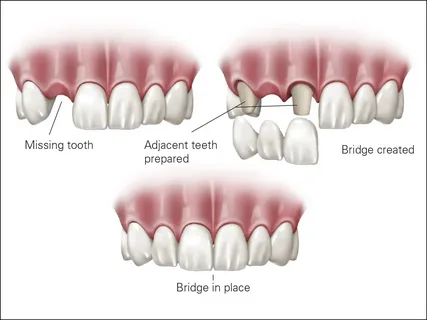
A dental bridge is a fixed dental restoration used to replace one or more missing teeth. It literally “bridges” the gap left by a missing tooth by attaching an artificial tooth — called a pontic — to the neighboring teeth or dental implants on either side of the space. Unlike removable dentures, a dental bridge is permanently cemented in place and designed to feel and function like your natural teeth during everyday activities such as chewing and speaking.
A dental bridge is made up of two key components:
- Pontics — the artificial teeth that fill the gap
- Abutments — the natural teeth or dental implants on either side that anchor and support the bridge
When a tooth is lost, the surrounding teeth can gradually shift into the empty space. This can lead to bite misalignment, jaw discomfort, difficulty chewing, and an increased risk of decay and gum disease. A dental bridge prevents these issues while restoring the appearance and function of your smile.
Why Replacing Missing Teeth Matters
Many people underestimate the impact of a missing tooth beyond its effect on appearance. Missing teeth can affect your ability to chew certain foods, change the way you speak, and alter the structure of your face over time. Tooth loss can cause facial sagging as the jawbone beneath the gap gradually loses density without a tooth root to stimulate it. A dental bridge helps preserve your facial shape and keeps neighboring teeth properly aligned — protecting your long-term oral health in ways that go far beyond cosmetics.
Types of Dental Bridges
There are four main types of dental bridges, each suited to different clinical situations. Your dentist will recommend the best option based on the location of the missing tooth, the condition of surrounding teeth, and your overall oral health.
Traditional Dental Bridge The most common type, a traditional bridge uses dental crowns placed over the healthy teeth on either side of the gap — known as abutment teeth — with the artificial tooth (pontic) attached between them. Traditional bridges are strong, durable, and well-suited for replacing back teeth where chewing pressure is greatest. Because the abutment teeth need to be filed down to accommodate the crowns, this is considered a permanent modification to those teeth.
Cantilever Bridge A cantilever bridge is similar to a traditional bridge but is anchored to only one adjacent tooth instead of two. This option is typically used when there is only one healthy tooth available on one side of the gap. It’s generally recommended for areas with less biting pressure, as it places more stress on a single supporting tooth.
Maryland Bridge (Resin-Bonded Bridge) A Maryland bridge is a more conservative option that uses a metal or porcelain framework with wings on either side of the artificial tooth. These wings bond directly to the backs of the adjacent teeth without requiring crowns, meaning less natural tooth structure is removed. Maryland bridges are most commonly used for front teeth and are a good choice for patients who want a less invasive approach. However, they may not be as secure as traditional bridges in high-pressure chewing areas.
Implant-Supported Bridge An implant-supported bridge is anchored to dental implants rather than natural teeth. This option provides superior stability and longevity and is often recommended for patients missing multiple consecutive teeth. Because it involves implant placement and a healing period before the bridge can be attached, treatment takes longer than a traditional bridge — but it avoids placing any extra load on neighboring natural teeth and helps preserve jawbone density over time.
How Much Does a Dental Bridge Cost in 2026?
Dental bridge costs vary depending on the type of bridge, the number of teeth being replaced, the materials used, and your geographic location. Here is a clear breakdown of current 2026 pricing:
- Traditional or cantilever bridges: $2,000–$5,000 for one pontic and a crown for each abutment tooth
- Maryland (resin-bonded) bridges: $1,500–$2,500 for one pontic with the bonded framework
- Implant-supported bridges: $5,000–$15,000+ depending on the number of implants and teeth replaced
- Average across all bridge types: $2,673–$5,857 per bridge based on 2026 data
Several factors influence the final price:
- Bridge type: Traditional bridges are the most affordable upfront, while implant-supported bridges cost more but offer greater long-term durability.
- Materials: Porcelain and zirconia bridges look the most natural and blend seamlessly with surrounding teeth, but cost more than porcelain-fused-to-metal options. Metal alloy bridges are the most affordable but are less aesthetically suitable for visible areas.
- Number of missing teeth: Larger bridges replacing multiple teeth require more materials and lab work, increasing cost.
- Preparatory work: If the abutment teeth have decay, old fillings, or damage, your dentist may need to perform additional restorative work — such as a buildup or root canal — before placing the bridge. This adds to the overall cost.
- Geographic location: Dental practices in major metropolitan areas typically charge more than those in suburban or rural areas.
Does Dental Insurance Cover Bridges?
The good news is that dental bridges are classified as major restorative procedures by most dental insurance plans, which means coverage is commonly available. Most dental insurance plans cover approximately 50% of the total bridge cost, though some higher-tier plans may cover 60–70%. However, there are important limitations to keep in mind.
Most dental insurance plans cap annual coverage at $1,000–$2,000 per year. Once this limit is reached, patients are responsible for 100% of remaining costs. This means that for a higher-cost bridge, your out-of-pocket expenses may still be significant even with insurance. It’s always worth calling your insurance provider before treatment to understand your specific coverage, waiting periods, and annual maximums.
For patients without insurance or those who have exceeded their annual benefit, many dental practices offer flexible third-party financing options and in-house dental savings plans that can significantly reduce the upfront cost of treatment.
What to Expect During the Dental Bridge Procedure
Understanding the bridge placement process helps you know exactly what to expect from start to finish.
Step 1 — Consultation and Examination Your first visit involves a comprehensive dental exam, including X-rays and digital scans to evaluate the missing tooth space, the condition of surrounding teeth and gums, and the overall structure of your bite. Your dentist will recommend the most appropriate bridge type and provide a detailed treatment plan and cost estimate.
Step 2 — Tooth Preparation For a traditional bridge, the abutment teeth on either side of the gap are reshaped to accommodate dental crowns. This involves removing a small amount of enamel to create the proper foundation. Impressions or digital scans are then taken so the bridge can be custom-fabricated in a dental laboratory to match the shape and color of your natural teeth.
Step 3 — Temporary Bridge While your permanent bridge is being made — typically a process that takes one to two weeks — your dentist will place a temporary bridge to protect the exposed teeth and gums and maintain normal function.
Step 4 — Final Placement Once your permanent bridge is ready, your dentist will carefully fit and adjust it to ensure a comfortable bite and natural appearance. Once you’re satisfied with the fit, it is permanently cemented in place. The procedure is performed under local anesthesia, so discomfort during treatment is minimal. Some patients experience mild gum soreness or temperature sensitivity for a few days afterward, but this typically resolves quickly.
How Long Do Dental Bridges Last?
With proper care, dental bridges can last 10 to 15 years or longer. Implant-supported bridges often exceed this range due to the added stability of the implant foundation. The longevity of your bridge depends heavily on how well you maintain it.
Care tips to extend the life of your dental bridge:
- Brush twice daily with a soft-bristle toothbrush and fluoride toothpaste
- Use floss threaders or a water flosser to clean beneath the bridge where plaque can accumulate
- Avoid chewing ice, hard candy, or sticky foods that can loosen or damage the bridge
- Visit your dentist regularly for professional cleanings and checkups
- Use an antibacterial mouthwash to protect the gum tissue around the bridge
Neglecting oral hygiene around a bridge can lead to decay of the abutment teeth, which could eventually cause the bridge to fail — making consistent maintenance essential.
How to Find the Best Dental Bridge Provider Near You
Finding a qualified dentist for a dental bridge is straightforward with the right approach:
Search Online Searching “dental bridges near me” or “restorative dentist near me” on Google or Yelp will pull up local dental practices with ratings, reviews, services offered, and contact information. Look for practices that specifically list dental bridges and restorative dentistry as core services.
Use Dental Directories Platforms like Zocdoc, Healthgrades, and the American Dental Association’s Find-a-Dentist tool allow you to search for dentists by specialty, location, and insurance acceptance. These platforms include verified patient reviews and make it easy to book consultations online.
Ask the Right Questions Before committing to a dentist for your bridge, ask about their experience with bridge placements, what materials they use, whether they offer digital smile design or same-day technology, and what financing options are available.
Get Multiple Opinions For a procedure of this significance, getting two or three consultations allows you to compare treatment plans, pricing, and your comfort level with each provider. Always request a written, itemized estimate before agreeing to any treatment.
Final Thoughts
A missing tooth is more than a cosmetic concern — it’s a health issue that deserves prompt attention. Dental bridges are a proven, reliable, and cost-effective solution that can restore your smile, protect your oral health, and improve your quality of life for a decade or more. Use the guidance in this article to understand your options, budget confidently, and find a trusted dental bridge provider near you.