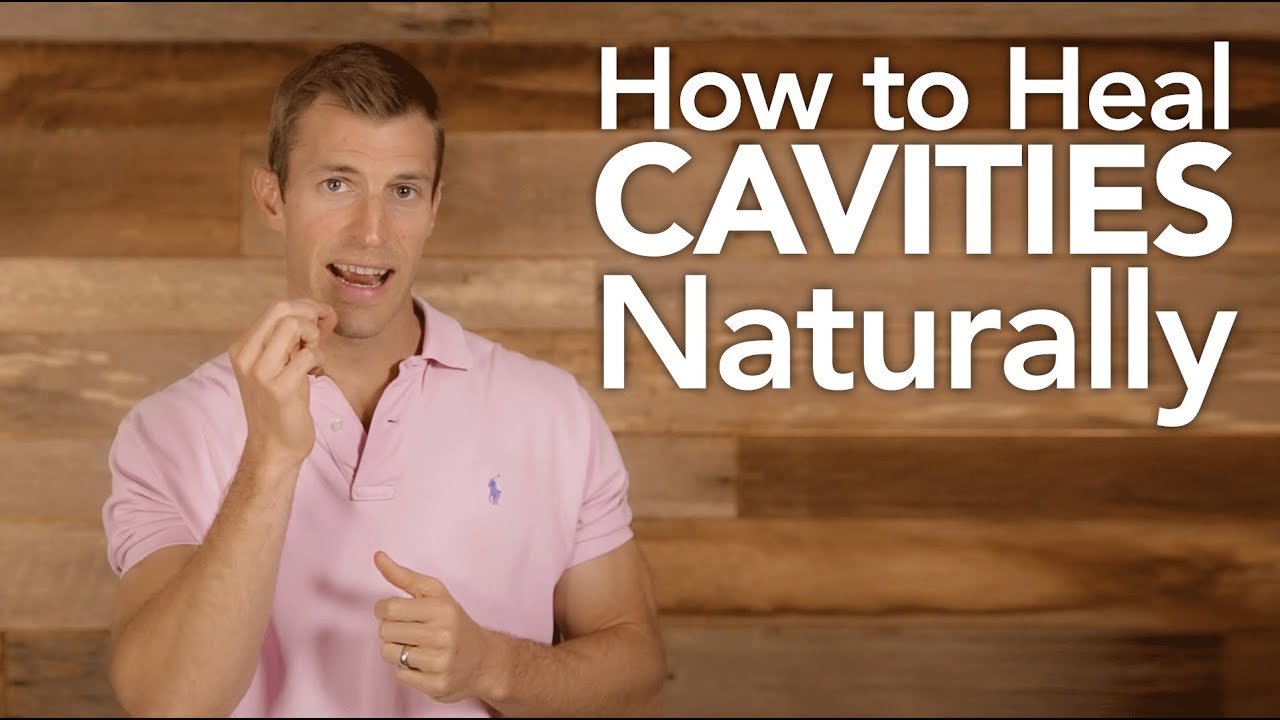
If you’ve ever felt a sudden twinge of tooth sensitivity or noticed a dark spot on your enamel, your first instinct might be to search for a fast home fix. The internet is full of bold claims about healing cavities in 48 hours using natural remedies — but what does the science actually say? The honest answer is nuanced, and understanding it could save your tooth, your time, and your money. Here is everything you need to know about healing cavities at home, what actually works, what doesn’t, and when you absolutely need to see a dentist.
Can You Really Heal a Cavity in 2 Days at Home?
Let’s address the big question directly. A cavity — clinically known as dental caries — is a form of permanent structural damage to your tooth enamel caused by bacterial acid erosion. Once enamel has been breached and a physical hole has formed, no home remedy can reverse that damage. Only a dentist can restore a cavitated tooth using composite fillings, inlays, crowns, or other restorative procedures.
However, that doesn’t mean home care is useless. The key distinction lies in the stage of the cavity. In the very earliest phase — sometimes called a Stage 1 or white spot lesion — the enamel has begun to demineralize but no hole has formed yet. At this stage, the damage may still be reversible through a process called remineralization. Your body naturally works to replace lost minerals like calcium and phosphate in your enamel, and you can meaningfully accelerate this process through targeted home care.
So while you cannot fully heal a cavity in two days at home, you can slow its progression, reduce sensitivity, stabilize early enamel damage, and potentially reverse the earliest stages of decay — all while you arrange a dental appointment.
Understanding How Cavities Form
To understand how to fight cavities at home, it helps to understand how they develop. Cavities form when bacteria in the mouth — particularly Streptococcus mutans — feed on sugars and starches in your diet and produce acids as a byproduct. These acids gradually break down the mineral structure of your tooth enamel in a process called demineralization.
According to the World Health Organization, dental caries is the most prevalent chronic disease globally, affecting 60% to 90% of school-aged children and a vast majority of adults. In the United States alone, the CDC reports that 1 in 5 adults aged 20 to 64 have untreated cavities. The good news is that the early stages of this process are reversible — but time is critical. The longer decay is left untreated, the deeper it penetrates, eventually reaching the dentin and then the pulp, which can lead to infection, root canals, or tooth loss.
What Home Care Can Actually Do: Remineralization
Remineralization is the process by which minerals — primarily calcium and phosphate — are transported from saliva and oral care products back into partially demineralized enamel, rebuilding its mineral structure. This is your body’s natural defense against early tooth decay, and it can be significantly enhanced with the right products and habits.
1. Fluoride Toothpaste and Mouthwash
Fluoride is the gold standard of cavity prevention and early enamel repair. The American Dental Association (ADA) reaffirmed the safety and long-proven effectiveness of fluoride toothpaste, rinses, and water fluoridation in 2025. Fluoride works by attracting calcium and phosphate ions to the tooth surface, strengthening weakened enamel and forming fluorapatite — a mineral that is more acid-resistant than natural hydroxyapatite.
Brush at least twice a day with fluoride toothpaste, and use a fluoride mouthwash after brushing to maximize mineral contact time with your enamel. For early lesions, try applying a small amount of toothpaste directly to the white spot before bed and leaving it on overnight — this gives the active ingredients extended contact time with the affected area.
2. Nano-Hydroxyapatite Toothpaste
One of the most exciting developments in dental science is the rise of nano-hydroxyapatite (nHAP) toothpaste. Hydroxyapatite is the primary mineral that makes up tooth enamel, and nano-sized particles of it can penetrate into early lesions and physically replenish lost mineral structure.
A 2025 clinical trial tracking 518 children over 24 months found that 74% of active early cavity lesions became inactive in the hydroxyapatite group. A separate 2025 in vitro study found that nano-hydroxyapatite demonstrated the highest surface microhardness improvement of all tested remineralizing agents. Importantly, research published in 2025 confirmed that hydroxyapatite-based toothpastes show comparable efficacy to standard fluoride formulations for caries prevention — making it a strong fluoride-free alternative for those who prefer it.
3. Xylitol Gum
Xylitol is a natural sugar alcohol that cavity-causing bacteria cannot metabolize. Unlike regular sugar, xylitol does not feed Streptococcus mutans — and research suggests it may actually reduce harmful bacterial populations over time. A 2025 review confirmed that 5 to 6 grams of xylitol per day can significantly lower your cavity risk. Chewing xylitol gum also stimulates saliva production, which is essential for the remineralization process.
4. Oil Pulling
Oil pulling — swishing a tablespoon of coconut or sesame oil around the mouth for 10 to 20 minutes — is an ancient Ayurvedic practice that has gained scientific attention. A 2025 study in Clinical Oral Investigations found that oil pulling with sesame oil significantly reduced plaque compared to rinsing with plain water. While oil pulling cannot reverse a formed cavity, it can reduce the bacterial load in your mouth and support overall oral hygiene.
5. Baking Soda Rinse
Rinsing with a mild baking soda solution can help increase the pH in your mouth, neutralizing bacterial acids and creating a less hostile environment for your enamel. This is a simple, inexpensive way to interrupt the acid attack cycle between brushing sessions.
Diet Changes That Support Cavity Healing
What you eat has a direct impact on your oral microbiome and remineralization capacity. The following dietary strategies can make a meaningful difference:
Eat more of:
- Calcium-rich foods — cheese, yogurt, milk, leafy greens, and almonds all supply the minerals your enamel needs to remineralize
- Vitamin D — essential for transporting calcium from the bloodstream to your teeth; get it from sunlight, fatty fish, or supplements
- Vitamin K2 — helps direct calcium to the right places in the body, including teeth
- Phosphorus-rich foods — eggs, meat, fish, and legumes support enamel remineralization
Avoid or reduce:
- Sugar and simple starches — these feed cavity-causing bacteria and fuel acid production
- Acidic drinks — sodas, citrus juices, and vinegar-based foods erode enamel directly
- Dried fruits — sticky and high in sugar, they cling to tooth surfaces and accelerate decay
Natural Remedies: What Works and What Doesn’t
Clove oil — Contains eugenol, which can numb tooth pain and reduce inflammation. It offers effective short-term pain relief but cannot reverse or repair a cavity.
Aloe vera — A 2021 review found that aloe vera’s antimicrobial and anti-inflammatory properties had similar positive effects to fluoride in reducing gum bleeding and inflammation. It’s a supportive tool, not a cure.
Garlic — Has antibacterial properties that may temporarily reduce harmful bacteria, but it cannot fill or heal a cavity in any structural sense.
Activated charcoal toothpaste — Dentists advise caution here. Many charcoal toothpastes do not contain fluoride and can be highly abrasive, potentially wearing down enamel faster than it can be repaired.
When You Must See a Dentist
Home remedies are valuable for early-stage enamel damage, but there are clear warning signs that require professional dental care immediately:
- A visible hole, dark spot, or black area on a tooth
- Persistent sensitivity to hot, cold, or sweet foods
- Pain when chewing or biting
- Bad breath that doesn’t resolve with brushing
- Swelling, pus, or a bump near a tooth
Delaying a dental visit when these symptoms are present can turn a simple filling into a root canal — or worse. Modern dentistry has advanced significantly; laser-based cavity treatment, for example, can now prepare a cavity with no drill and no anesthesia in many cases, making the experience far less intimidating than it used to be.
Conclusion
The idea of healing a cavity in 2 days at home is appealing but not scientifically accurate for formed cavities. What you can do in 48 hours is take meaningful action: start remineralizing with fluoride or nano-hydroxyapatite toothpaste, cut out sugar, rinse with baking soda, chew xylitol gum, and begin the dietary changes that support enamel repair. For the earliest stage of decay — white spot lesions without holes — consistent home care over weeks to months can genuinely reverse the damage.
But the most important thing you can do in two days is book a dental appointment. Early intervention saves teeth, saves money, and prevents far more painful procedures down the road. Think of home care not as a replacement for professional treatment, but as a powerful complement to it.