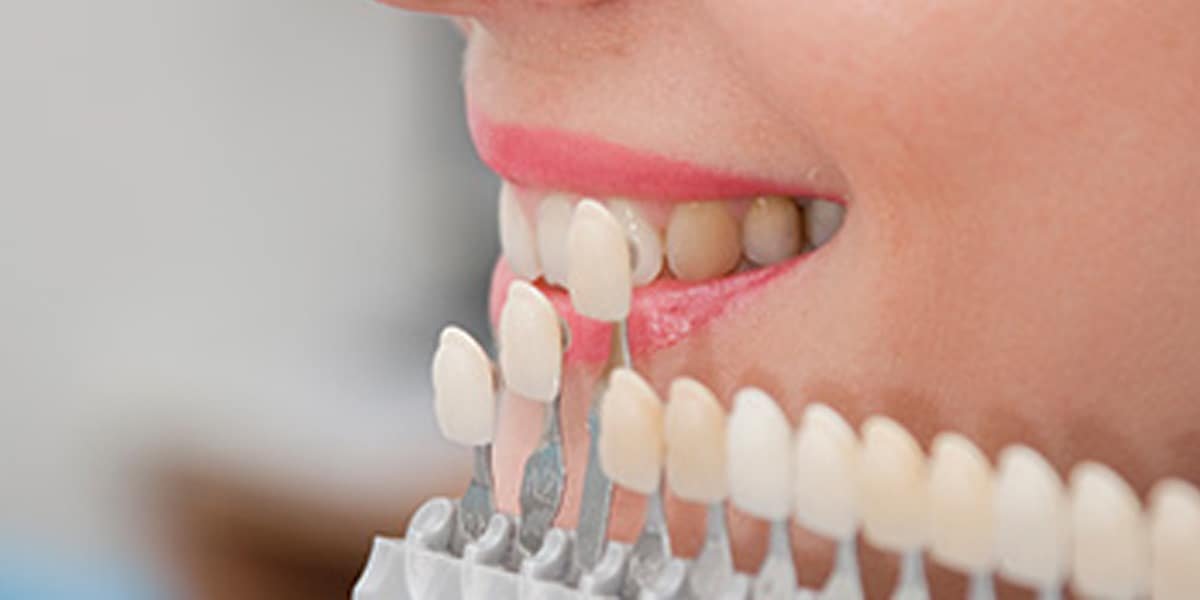
Few cosmetic dental treatments deliver as dramatic a transformation as porcelain veneers. Whether you’re dealing with deep stains that won’t respond to whitening, chipped or uneven teeth, small gaps, or a smile that simply doesn’t reflect how you feel inside, porcelain veneers can address all of it in just two to three appointments. If you’ve been searching for porcelain veneers near you and want to understand exactly what you’re getting into — costs, procedure, longevity, and how to choose the right dentist — this guide covers everything you need to know in 2026.
What Are Porcelain Veneers?
Porcelain veneers are ultra-thin, custom-crafted ceramic shells that are permanently bonded to the front surface of your natural teeth. Each veneer is individually designed to match your desired tooth shape, size, and shade — creating a natural-looking, durable smile transformation that can last 15 to 20 years or longer. Unlike crowns, which cap the entire tooth, veneers cover only the visible front surface, making them a conservative yet highly effective solution for correcting a wide range of cosmetic concerns.
Veneers are most commonly used to correct severe discoloration that doesn’t respond to whitening, chips and cracks, uneven tooth lengths, small gaps between teeth, and minor misalignment. Rather than treating each issue separately, veneers provide a combined solution — a complete smile correction in a single treatment course.
Types of Veneers: Porcelain vs. Your Other Options
Not all veneers are the same material, and understanding the differences will help you make the right decision for your smile and your budget.
Traditional Porcelain Veneers Traditional porcelain veneers remain the gold standard in cosmetic dentistry. They are typically 0.5 millimeters thick, highly customizable, and stain-resistant. To accommodate the veneer, your dentist removes a small amount of enamel from the tooth surface — roughly 0.3 to 0.5 millimeters — which makes the process irreversible. In exchange, you get a restoration that mimics the translucency and texture of natural enamel with exceptional precision. Porcelain veneers cost $800–$2,500 per tooth in 2026, with a national average of approximately $1,500 per tooth.
No-Prep / Minimal-Prep Veneers (Lumineers) No-prep veneers — including brand names like Lumineers — are ultra-thin porcelain shells, typically just 0.2–0.3 millimeters thick, that bond directly over your existing teeth with little to no enamel removal. Because they preserve your natural tooth structure, the procedure is often reversible and requires little to no anesthesia. No-prep veneers cost $800–$2,500 per tooth and are a popular choice for first-time veneer patients who want to minimize tooth alteration.
E.max (Lithium Disilicate) Veneers E.max veneers are made from IPS e.max lithium disilicate ceramic, combining the translucency of traditional porcelain with near-zirconia strength. They are widely considered the gold standard in high-performance cosmetic dentistry, offering exceptional aesthetics and durability. E.max veneers cost $900–$2,500 per tooth in 2026.
Zirconia Veneers Zirconia veneers are the most durable option currently available, made from the same high-strength ceramic used in dental crowns and implant abutments. When milled into ultra-thin veneer form using CAD/CAM technology, zirconia delivers a strong, aesthetic result with a lifespan that can exceed 20 years. They are particularly well-suited for patients who grind their teeth. Zirconia veneers cost $1,000–$2,500 per tooth.
Composite Resin Veneers Composite veneers are made from the same bonding material used for tooth-colored fillings and can often be completed in a single visit, since the dentist sculpts the material directly onto the tooth rather than sending a design to an outside lab. They cost $250–$1,500 per tooth — significantly less upfront — but typically last only five to seven years before requiring replacement or repair, and are more susceptible to staining from coffee, wine, and pigmented foods.
How Much Do Porcelain Veneers Cost in 2026?
Porcelain veneers cost $800–$2,500 per tooth in 2026, with a national average of around $1,500–$1,765 per tooth according to CareCredit pricing data. Here’s how total costs scale depending on how many teeth you treat:
- Single tooth: $800–$2,500
- 2 teeth (front teeth only): $1,600–$5,000
- 6 veneers (common smile zone): $4,800–$15,000
- 8–10 veneers (full smile transformation): $6,400–$25,000
- Full mouth (16–20 veneers): $15,000–$40,000
Most patients achieve their desired results with 6 to 10 veneers placed on the most visible teeth in the smile zone — the upper front teeth that show when you smile and speak. A full set of 16 to 20 veneers is less common and typically reserved for complete smile reconstructions.
Several factors influence where your costs fall within these ranges:
- Material type: Porcelain, e.max, and zirconia cost more than composite but last significantly longer
- Dentist expertise: Experienced cosmetic dentists and prosthodontists command higher fees — you’re paying for artistry, precision, and natural-looking results tailored to your face
- Geographic location: Clinics in major metro areas like New York, Los Angeles, and Boston typically charge at the top of the range; smaller markets and Southern states tend to be more affordable
- Lab quality: Premium domestic dental labs using advanced fabrication technology produce more realistic, durable results — and charge accordingly
- Additional procedures: Gum contouring, teeth whitening, or preparatory dental work such as fillings or crowns add to the total
When evaluating cost, it helps to think in terms of annual value. A $2,000 porcelain veneer lasting 15 years costs approximately $133 per year, while a $1,500 composite veneer lasting five years costs $300 per year — making porcelain the more economical choice over the long term for most patients.
The Porcelain Veneer Procedure: What to Expect
Getting porcelain veneers typically requires two to three appointments over two to four weeks. Here’s how the process works:
Step 1 — Consultation and Digital Smile Design Your dentist evaluates your teeth with X-rays and photographs, discusses your aesthetic goals, and creates a digital mock-up of your new smile so you can preview the results before any treatment begins. This is also when candidacy is confirmed — you need healthy teeth and gums before proceeding with veneers.
Step 2 — Tooth Preparation A thin layer of enamel (0.3–0.5mm) is removed from the front surface of each tooth to create space for the veneer. Impressions or digital scans are taken and sent to a dental laboratory, where skilled ceramists craft each veneer by hand to match the specified shade, translucency, and shape.
Step 3 — Temporary Veneers While your permanent veneers are being fabricated (typically 7–14 days), temporary veneers protect your prepared teeth and give you a preview of the final result.
Step 4 — Final Bonding Your dentist removes the temporaries, cleans and etches the tooth surfaces, applies a special bonding cement, and precisely positions each veneer. A curing light permanently bonds the veneer to the tooth, followed by final adjustments to bite and shape.
Step 5 — Follow-Up A brief follow-up visit one to two weeks later allows your dentist to check the bite, polish the veneers, and address any sensitivity concerns.
How Long Do Porcelain Veneers Last?
With proper care, porcelain veneers typically last 15 to 20 years, and many patients report their veneers lasting 25 years or more. Research supports this longevity — a 2026 meta-analysis of CAD/CAM ceramic restorations reported a pooled survival rate of 96% across randomized controlled trials.
The most common reasons veneers fail prematurely are teeth grinding (bruxism), biting hard objects like ice or fingernails, poor oral hygiene leading to decay at the veneer margins, and physical trauma. Patients who wear a night guard, maintain excellent oral hygiene, and attend regular dental checkups consistently achieve the longest-lasting results.
Does Insurance Cover Porcelain Veneers?
In most cases, dental insurance does not cover porcelain veneers because they are classified as a cosmetic procedure. Rare exceptions may apply when a veneer serves a documented restorative purpose — such as protecting a fractured or structurally compromised tooth — but even then, coverage is limited and requires pre-authorization. Some PPO plans may contribute up to 50% for qualifying medically necessary cases.
Since veneers are almost always an out-of-pocket expense, most patients use financing options to manage the cost:
- CareCredit or Sunbit: Third-party dental financing plans that offer 0% interest promotional periods (typically 6–24 months)
- In-house payment plans: Many dental practices offer installment plans managed directly by the office
- HSA/FSA funds: Health Savings Accounts and Flexible Spending Accounts can be used for dental expenses, providing a tax advantage
- Dental savings plans: Monthly membership plans at some practices offer 15–20% discounts on all procedures, including cosmetic work
Who Is a Good Candidate for Porcelain Veneers?
Porcelain veneers work best for patients who have healthy teeth and gums, sufficient enamel for bonding, and cosmetic concerns that haven’t responded to simpler treatments like whitening or bonding. You may not be a candidate if you have active gum disease, extensive cavities, severely misaligned teeth requiring orthodontics, or significant tooth grinding that hasn’t been addressed.
Veneers are not appropriate for everyone, and a thorough consultation is the only way to determine whether they’re the right solution for your specific situation.
How to Find a Porcelain Veneer Dentist Near You
Choosing the right cosmetic dentist is one of the most important decisions in the veneer process. Here’s how to find a qualified provider in your area:
- Search Google or Yelp for “porcelain veneers near me” or “cosmetic dentist near me” and filter by rating and review volume
- Review before-and-after photos — any reputable cosmetic dentist should have a portfolio of real veneer cases on their website or in the office
- Look for advanced training in cosmetic dentistry — membership in the American Academy of Cosmetic Dentistry (AACD) or a prosthodontics specialty is a strong indicator of expertise
- Ask about the dental lab they use — premium domestic labs produce better results than overseas alternatives
- Request a written treatment plan with fully itemized costs before committing to anything
- Compare at least two to three consultations — many cosmetic dentists offer free or low-cost initial consultations, and comparing approaches will help you make a more informed decision
A great cosmetic dentist will take time to understand your goals, explain all your options honestly, and show you a digital preview of your results before a single tooth is touched. If a provider rushes you into treatment without a thorough consultation, look elsewhere.
Are Porcelain Veneers Worth It?
For patients with the right candidacy, porcelain veneers are one of the most transformative investments in cosmetic dentistry. They address multiple aesthetic concerns at once, deliver results that look and feel completely natural, and last for decades with proper care. The upfront cost is significant, but when spread over a 15–20 year lifespan, porcelain veneers represent exceptional long-term value. If you’ve been living with a smile that doesn’t match your confidence, finding a skilled cosmetic dentist near you for a veneer consultation is the first step toward changing that.