When people hear the term “group home,” they often have a vague idea of what it means — a house where people live together with some kind of support. But the full picture is much richer and more nuanced than that. Group homes are a vital part of the American social care system, serving hundreds of thousands of people across the country every day. So, what is a group home exactly, who lives in one, and how do they work? This comprehensive guide answers all of those questions and more.
What Is a Group Home? The Basic Definition
A group home is a licensed residential facility where a small number of people live together in a shared, home-like setting while receiving supervision, personal care, and support services from trained staff. These homes are designed for individuals who cannot live completely independently but do not require the level of care provided in a hospital or large institutional facility.
More formally, a group home — also known as a congregate living facility, care home, adult family home, community residence, or supportive housing — is a structured and supervised residence model that provides assisted living as well as medical care for those with complex health needs. Unlike larger facilities, group homes typically have 4 to 16 residents, creating a close-knit atmosphere that promotes comfort, dignity, and trust.
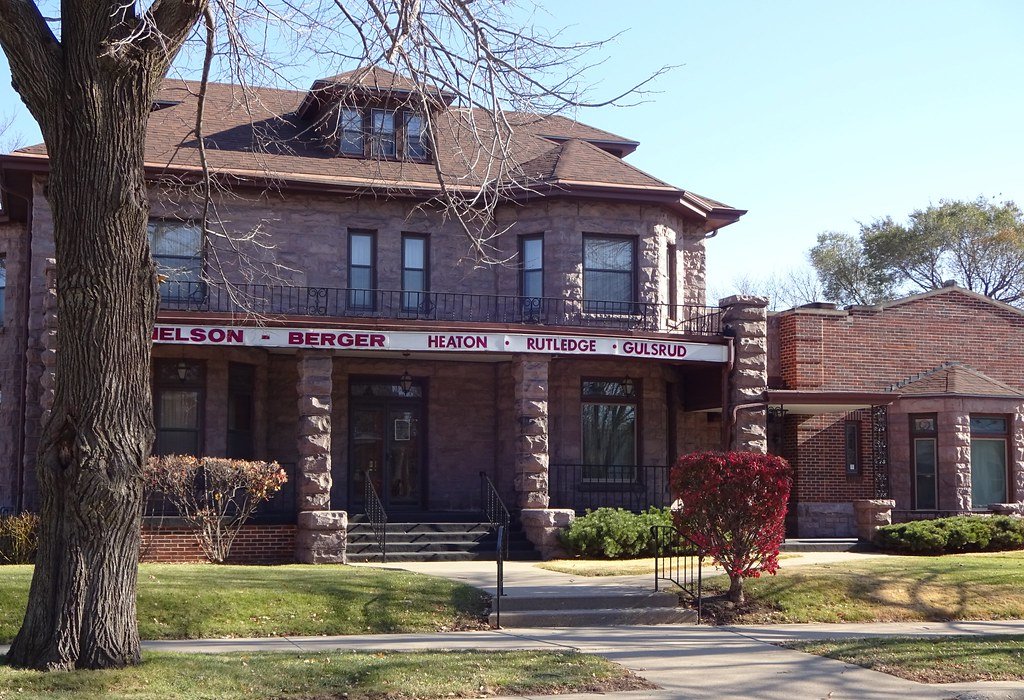
Because group homes are usually ordinary suburban houses — often modified for accessibility — they blend into residential neighborhoods and look much like any other home on the street. The goal is intentional: to provide supportive, person-centered care in a setting that feels like home rather than an institution.
Who Lives in a Group Home?
Group homes serve a wide range of populations depending on the license type, state regulations, and the specific mission of the facility. The most common residents include:
People with Intellectual and Developmental Disabilities (IDD)
Residents of group homes most commonly have a disability, such as autism, intellectual disability, or multiple disabilities. These individuals need help with daily living skills, community integration, and personal care. They are often supported through state Home and Community-Based Services (HCBS) waivers, with staff trained as Direct Support Professionals (DSPs).
People with Mental Health Conditions
Group homes also serve individuals with chronic or long-term mental or psychiatric disorders. Mental and behavioral health facilities focus on helping people dealing with mental health issues or behavioral challenges, offering counseling, therapy, and specialized treatment programs to improve residents’ quality of life.
Seniors and the Elderly
Senior group homes cater to the unique needs of elderly individuals who may need help with daily tasks or want to be part of a supportive community. From independent living to memory care, these homes offer various levels of care to suit residents’ needs — serving seniors who need some level of assistance with daily living activities, but do not require the 24/7 skilled nursing care of a nursing home.
Children and Youth in Foster Care
Another important context in which the term “group home” is used refers to residential child care communities providing residential services as part of the foster care system. Youth and foster homes offer safe and nurturing environments for children who cannot live with their families, providing stability, support, and guidance to young individuals in need.
People in Recovery and Transitional Housing
Group homes also serve individuals transitioning from difficult situations such as homelessness, incarceration, or substance use disorders. Transitional housing provides temporary homes and support services, offering a safe space where residents can rebuild their lives and work toward independence.
What Services Do Group Homes Provide?
Group homes are an essential part of the care and community support system, offering a safe, structured, and personalized environment for people with a wide range of needs. The residents sometimes need continual or supported assistance in order to complete daily tasks, such as taking medication, bathing, preparing meals, having conversations, making appointments, and getting to work or adult day programs.
Staff at group homes may assist with these activities in addition to others, such as housekeeping, transportation, and monitoring prescription medications. Some group homes also offer rehabilitative services and employ specialists including speech therapists, physical therapists, and counselors to support residents with disabilities.
Group homes provide an important middle ground between completely independent living and the high level of care in a nursing home. For many seniors and people with disabilities, group homes offer the perfect balance — giving them the support and services they need while still maintaining a high degree of independence and community integration.
The Social Benefits of Group Home Living
Beyond the practical support they provide, group homes offer significant social and emotional benefits for their residents.
Combating Isolation
Living with a disability or chronic condition can bring feelings of loneliness and bouts of isolation. Group homes provide socially stimulating activities that keep residents engaged. Many group homes provide residents with activities like field trips, shopping, games, and other entertainment, helping them stay connected to their communities and to each other.
Structure and Routine
Group homes provide predictable schedules and routines that can offer consistency and comfort, particularly for individuals with autism, intellectual disabilities, or mental health conditions who benefit greatly from structured daily living.
24/7 Support
Continuous support from trained staff can offer peace of mind — especially during emergencies or when family members are unavailable. Residents have company and help with daily tasks like cooking, cleaning, and self-care around the clock.
How Are Group Homes Regulated and Licensed?
Group homes are subject to oversight by federal, state, and local agencies. A group home must be licensed, certified, or otherwise approved in writing by the State — typically through Departments of Human Resources, Mental Health, Developmental Services, or Social Services — as a group home for elderly persons or persons with disabilities.
Each type of group home has its own specific requirements around staffing levels, staff training, resident rights, physical plant standards, and more. Facilities must comply with the regulations for their specific license type in order to operate legally. Common compliance requirements include a safe and hazard-free environment, qualified and trained caregivers, proper storage and administration of medications, sanitary food preparation areas, and emergency response plans for medical issues and natural disasters.
State and federal laws also protect the rights of persons with disabilities to live in any residential community. The Fair Housing Act prohibits municipalities and local government entities from making zoning or land use decisions that adversely affect individuals with disabilities, ensuring that group homes can operate in ordinary residential neighborhoods without discrimination.
How Are Group Homes Funded?
Paying for group home care can be a significant concern for families. Private group home costs can range from tens of thousands of dollars to more than $100,000 per year for full service. However, there are important funding options available.
The cost of providing services is often borne primarily by state agencies responsible by law to care for persons in need of residential services. Medicaid is a federally funded health insurance program that provides low-income Americans with healthcare coverage, and some states allow Medicaid to pay for group home or adult foster care services through a waiver program. Families should check with their state’s Medicaid office to learn about eligibility and coverage options.
The demand for group homes continues to grow due to an aging population preferring smaller, home-like care settings, deinstitutionalization policies moving people into community-based housing, behavioral health reforms increasing the need for supportive housing, and expanded funding for HCBS and supportive living services.
Group Homes vs. Other Care Options
It is important to understand how group homes differ from similar terms and settings:
- Halfway houses: A halfway house is a transitional housing setting in which residents live for temporary stays, typically 3 to 6 months. Group homes, by contrast, provide permanent housing for their residents, most of whom will live in one home for many years.
- Nursing homes: Nursing homes provide a higher level of 24/7 skilled medical nursing care, while group homes serve individuals who need support but not that level of clinical intervention.
- Assisted living facilities: Assisted living facilities are typically larger institutional settings, while group homes are smaller and more home-like, often with better caregiver-to-resident ratios.
What to Look for When Choosing a Group Home
Choosing the right group home is an important decision. Key factors to consider include:
- Level of care: Assess the resident’s needs and make sure the group home can provide the appropriate level of services.
- Licensing and regulation: Understand the home’s licensing status and check any inspection reports or violations.
- Staff qualifications: Evaluate the level of training provided for employees and the caregiver-to-resident ratio.
- Facility quality: Consider the physical condition of the home, cleanliness, and overall atmosphere.
- Location: Look for a home conveniently located near family, healthcare providers, and community resources.
- Cost and funding: Determine monthly fees and whether the resident qualifies for Medicaid or other assistance.
It is always advisable to visit any prospective group home in person, meet the staff, and get a feel for the resident community before making a decision.
Conclusion
So, what is a group home? At its core, it is a safe, structured, and supportive residential environment for people who need assistance with daily living but do not require full institutional care. Group homes serve an extraordinarily diverse population — from children in foster care and adults with developmental disabilities to seniors needing daily support and individuals recovering from mental health challenges. They are regulated, licensed, community-integrated, and designed to give residents the dignity, independence, and care they deserve. For millions of Americans and their families, group homes represent not just a place to live, but a true place to belong.