Pets are beloved members of our families, bringing joy, companionship, and unconditional love into our lives. Just like humans, pets require regular healthcare to live long, healthy, and happy lives. One of the most important—and sometimes overlooked—aspects of responsible pet ownership is the routine pet health checkup. This article explores why regular checkups are essential, what to expect during a visit, how they benefit your pet, and tips for making the most of each veterinary appointment.
Why Are Pet Health Checkups Important?
Routine veterinary checkups are foundational to your pet’s well-being. These visits serve as preventive care, allowing your veterinarian to detect potential health issues early, monitor ongoing conditions, and advise on best practices for diet, exercise, and general care. Many diseases, such as dental problems, obesity, diabetes, heart disease, and cancers, can be managed or prevented with early intervention.
Early Detection Saves Lives
Many pets are experts at hiding pain or discomfort. Regular checkups help catch subtle changes before they become serious. Early detection often means simpler, less costly treatments and a better prognosis.
Vaccinations and Disease Prevention
Vaccinations are routinely administered during checkups. Keeping up-to-date with required and recommended vaccines is critical for preventing infectious diseases like rabies, parvovirus, feline leukemia, and distemper. Your vet will tailor a vaccination schedule to your pet’s age, lifestyle, and risk factors.
Parasite Prevention
Fleas, ticks, heartworms, and intestinal parasites can threaten your pet’s health. During checkups, your veterinarian will recommend preventive treatments tailored to your pet’s environment and habits, protecting both your animal and your household.
What Happens During a Pet Health Checkup?
A typical checkup includes a thorough physical examination and may include diagnostic tests, depending on your pet’s age, breed, and health status. Here’s what you can expect:
1. Medical History Review
Your vet will ask about your pet’s diet, behavior, exercise, and any changes you’ve noticed. Be honest and detailed—your insights are valuable!
2. Physical Examination
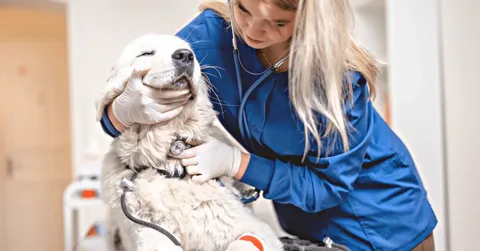
The veterinarian will examine your pet from nose to tail. This includes:
- Checking eyes, ears, nose, and mouth for signs of infection or abnormality
- Listening to the heart and lungs
- Palpating the abdomen to check for pain or enlargement
- Assessing the skin and coat for parasites, lumps, or rashes
- Evaluating joints and muscles
- Examining teeth and gums (dental health is crucial!)
3. Weight and Body Condition
Obesity is a growing concern in pets. Your vet will weigh your pet and assess body condition, offering guidance on nutrition and exercise if needed.
4. Diagnostic Testing
Depending on your pet’s age and health, your vet may recommend blood tests, urinalysis, or fecal exams to screen for underlying issues. Senior pets often need more frequent and comprehensive testing.
5. Vaccinations and Preventives
Your veterinarian will update vaccines as needed and discuss options for flea, tick, heartworm, and other preventives.
6. Discussion and Education
A vital part of the checkup is the opportunity to ask questions. Topics might include:
- Diet and nutrition
- Behavior and training
- Dental care (brushing, chews, professional cleaning)
- Exercise recommendations
- Home safety
How Often Should Pets Have a Health Checkup?
- Puppies and kittens: Monthly visits until around 16 weeks old, for vaccinations and growth monitoring
- Adults (1–7 years): Once a year for a routine checkup and vaccines
- Seniors (7+ years for dogs, 10+ for cats): Twice a year or more for early detection of age-related illnesses
Certain breeds or pets with chronic conditions may need more frequent monitoring. Ask your vet for customized advice.
Benefits of Regular Pet Health Checkups
- Longer, healthier life: Preventive care catches problems early
- Lower veterinary costs: Early intervention is typically less expensive than treating advanced disease
- Peace of mind: Knowing your pet is healthy and up-to-date on vaccines and preventives
- Stronger human-animal bond: Regular visits help pets become comfortable with the vet, reducing stress and anxiety
Preparing for Your Pet’s Checkup
- Make a list of questions or concerns ahead of time
- Bring a record of your pet’s diet, medications, and any recent changes
- Transport your pet safely, especially cats or small dogs (carriers are best)
- Bring a fresh stool sample if requested
- Remain calm—pets pick up on your stress!
What If Your Pet is Afraid of the Vet?
Many animals are anxious about vet visits. To help:
- Take practice trips to the clinic for positive experiences
- Reward calm behavior with treats and praise
- Ask your clinic about fear-free practices
- Discuss sedation or anti-anxiety options if needed
The Role of Dental Checkups
Dental disease is one of the most common health issues in pets. Annual dental exams (and professional cleaning when needed) prevent pain, tooth loss, and infections that can affect the heart, liver, and kidneys. Ask your vet about at-home dental care routines.
Common Health Concerns Found During Checkups
- Dental disease (gingivitis, tartar, tooth loss)
- Obesity or underweight
- Skin conditions (hot spots, infections)
- Ear infections
- Heart murmurs or arrhythmias
- Parasites (fleas, ticks, worms)
- Lumps or tumors
- Mobility issues (arthritis, joint pain)
The Value of a Trusted Veterinary Relationship
Building a relationship with a consistent veterinarian ensures continuity of care. Your vet will know your pet’s history and can spot subtle changes over time. It also makes future visits less stressful for your pet.
Special Considerations for Exotic Pets
Birds, reptiles, rabbits, and small mammals also require routine checkups. Their unique needs often mean finding a vet familiar with their species. Don’t skip annual exams just because your pet is not a cat or dog!
Conclusion: Make Pet Health Checkups a Priority
Regular pet health checkups are a cornerstone of responsible pet ownership. These visits protect your pet from disease, extend their life, and give you peace of mind. Schedule annual or biannual exams, stay proactive about preventive care, and work closely with your veterinarian to ensure your furry (or feathered, or scaled) friend enjoys the healthiest life possible.