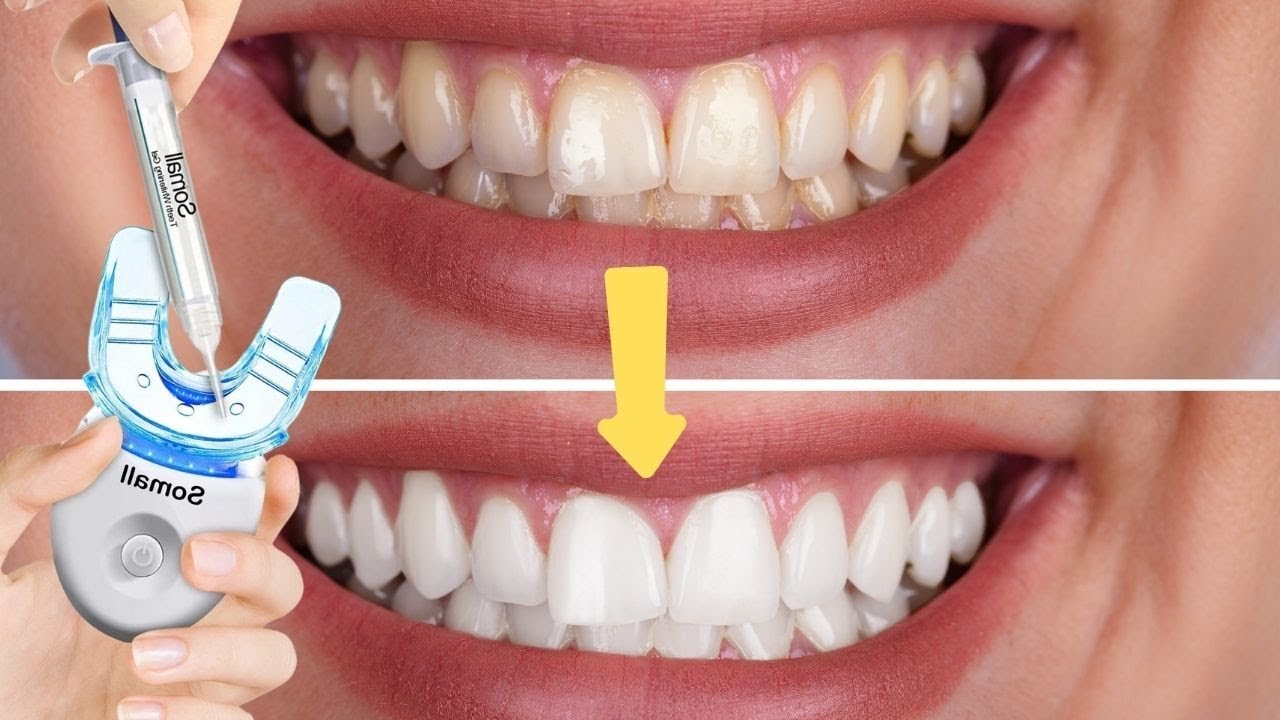
If you’ve been searching for “teeth whitening near me,” you’re in good company. Americans spend close to $2 billion on teeth whitening products annually, and the demand for professional treatments continues to grow. Whether you’re preparing for a wedding, a job interview, or simply want to feel more confident in your everyday smile, teeth whitening is one of the fastest, most effective, and most accessible cosmetic dental treatments available today. This guide walks you through everything you need to know — how whitening works, the different types available, what to expect from results, how much it costs in 2026, and how to find the best provider near you.
Why Do Teeth Become Discolored?
Understanding what causes tooth discoloration helps you choose the most effective whitening approach. Teeth become stained and yellowed through two main pathways:
Extrinsic staining occurs on the outer surface of the enamel and is caused by dietary habits and lifestyle choices. The most common culprits include coffee, tea, red wine, dark berries, and tobacco use. These stains build up gradually over time and are the most responsive to whitening treatments.
Intrinsic discoloration originates from within the tooth itself. It can be caused by aging (as enamel thins and the yellower dentin layer underneath becomes more visible), certain medications such as tetracycline antibiotics, genetics, fluorosis, or trauma to the tooth. Intrinsic staining is more stubborn and may require stronger or more specialized treatment approaches.
It’s worth noting that whitening gels only work on natural tooth enamel. Crowns, veneers, bonding, and tooth-colored fillings will not respond to whitening agents, so if you have existing dental restorations, discuss this with your dentist before treatment.
How Professional Teeth Whitening Works
Professional teeth whitening is an aesthetic dental procedure that uses peroxide-based bleaching agents to oxidize the stain molecules embedded in the enamel. In-office treatments use much higher concentrations of hydrogen peroxide — sometimes up to 40% — which are only safe when administered by a professional who can protect your gums and soft tissues. Over-the-counter products, by comparison, are legally limited to much lower concentrations, which is why they take longer to produce results and are less dramatic.
The concentration of the bleaching agent and the time of exposure are the two biggest factors in determining how white your teeth will get. Professional whitening offers immediate results that can be 8 to 10 shades lighter in a single session — a transformation that over-the-counter strips simply cannot match.
Types of Teeth Whitening: Which Is Right for You?
There are three main categories of teeth whitening, each with different strengths, costs, and timelines.
1. Professional In-Office Whitening
In-office whitening is the gold standard for speed and results. During a session, the dentist applies a high-concentration hydrogen peroxide gel to your teeth, protects your gums with a barrier or gel, and then activates the bleaching agent using an LED light or laser. Most in-office treatments take about 60 to 90 minutes, and you walk out with a visibly brighter smile the same day.
Popular systems include Philips Zoom, which uses an LED light to activate the whitening gel, and laser whitening, which uses a concentrated beam of light for even faster activation. Both are clinically tested and administered under dental supervision for predictable, long-lasting results.
Best for: People who want fast, dramatic results — especially before a special event.
2. Dentist-Prescribed Take-Home Trays
Custom take-home trays are the second most effective option. Your dentist takes impressions of your teeth and creates custom-fitted trays that you fill with professional-strength whitening gel. You wear the trays for around 30 to 60 minutes per day for approximately two weeks. Because the trays are custom-fitted, the gel stays in contact with your teeth evenly and doesn’t leak onto the gums — a common problem with store-bought boil-and-bite trays.
Results typically appear within seven to fourteen days and can be as impressive as in-office treatment, just more gradual. Custom trays also serve as an excellent maintenance tool after an in-office session.
Best for: Patients who prefer a gradual approach or want a more budget-friendly option that still uses professional-grade materials.
3. Over-the-Counter (OTC) Products
OTC whitening products — including strips, paint-on gels, whitening toothpastes, and LED kits — are widely available and affordable, ranging from $10 to $150. However, because they contain lower concentrations of whitening agents, they take longer to produce results and the improvement is generally less dramatic. OTC strips also use a one-size-fits-all design, which can cause gel to contact the gums and lead to irritation.
These products may remove only surface stains and are not likely to achieve the same whitening effects as a dentist-provided treatment. They work best for maintaining results after a professional treatment rather than as a standalone solution for significant discoloration.
Best for: Light surface stain maintenance between professional treatments.
What to Expect: Before, During, and After
Before your appointment: Schedule a dental cleaning before your whitening appointment. Plaque and tartar on the surface of your teeth can block the whitening gel from working effectively. Your dentist will also examine your teeth and gums to ensure you’re a good candidate for whitening. If you have untreated cavities or gum disease, those issues need to be addressed first — applying bleaching agents to unhealthy teeth can cause significant pain.
During treatment: Most patients do not feel any pain during in-office whitening. Some report a mild warming sensation as the gel activates. Your dentist will apply a protective barrier to your gums before treatment begins to minimize any irritation.
After treatment: The first 48 hours after whitening are the most important for preserving your results. During this time, the pores in your enamel are open and more susceptible to re-staining. Avoid dark-colored foods and beverages — coffee, tea, red wine, berries, and tomato sauce — during this window. A helpful rule: if it would stain a white t-shirt, keep it away from your teeth.
Some patients experience temporary tooth sensitivity for 12 to 24 hours after treatment. This is normal and manageable. Modern professional whitening systems use potassium nitrate to help block pain signals, making the procedure far more comfortable than older methods.
How Much Does Teeth Whitening Cost in 2026?
Teeth whitening costs vary widely depending on the method, provider, and location. Here’s a clear breakdown:
In-Office Professional Whitening Professional treatments at a dental office typically cost between $300 and $1,000 per session. Zoom whitening costs around $500 per session on average, while laser whitening ranges from $400 to $1,500. In major metropolitan areas, prices trend toward the higher end of the range.
Dentist-Prescribed Take-Home Trays Custom take-home kits from a dentist generally cost $100 to $600, making them a more budget-friendly option that still delivers professional-grade results.
Touch-Up Sessions Teeth whitening results don’t last forever. Touch-up sessions typically cost $100 to $300 every six to twelve months, depending on your habits. Maintenance gel refills for custom trays cost around $50 for a multipack of syringes — a very affordable way to keep your smile bright.
Over-the-Counter Products OTC options range from $10 for basic whitening toothpaste to $150 for LED kits and premium whitening strips.
Insurance Coverage Because teeth whitening is considered a cosmetic procedure, it is generally not covered by dental insurance. However, some dental plans offer an allowance toward whitening treatments, so it’s worth checking your specific plan. Financing options are widely available at dental offices, with many practices offering same-day approval for third-party financing.
How to Find the Best Teeth Whitening Near You
When searching “teeth whitening near me,” the quality of the provider matters as much as the treatment itself. Here’s how to evaluate your options:
1. Choose a licensed dental provider. Teeth whitening performed by a qualified dentist is safer and more effective than whitening done at non-dental settings like mall kiosks or beauty salons. A dentist evaluates your oral health before treatment, protects your gums, manages sensitivity, and ensures the results are even and predictable.
2. Ask about the whitening system they use. Professional-grade systems such as Zoom, KöR, and Opalescence use higher concentrations of whitening agents than anything available over the counter. Ask which system the office uses and why it’s appropriate for your specific staining and sensitivity level.
3. Schedule a consultation first. Most dentists charge $50 to $200 for an initial consultation, which is often applied toward the cost of treatment. This appointment allows the dentist to assess your enamel strength, gum health, and existing dental work, and to recommend the most appropriate whitening method for your goals.
4. Read patient reviews. Look for consistent feedback about results, comfort, and how the team handles sensitivity concerns. Reviews on Google and Yelp can give you a realistic picture of what the experience is like from a patient’s perspective.
5. Ask about sensitivity management. Tooth sensitivity is the most common side effect of whitening. A quality provider will have a sensitivity management plan in place — including lower-concentration options for patients with sensitive teeth and desensitizing treatments as part of the session.
6. Inquire about maintenance support. The best providers don’t just whiten your teeth — they set you up for long-term success with custom take-home trays, maintenance gel, and guidance on diet and habits to protect your results.
Tips for Making Your Results Last
Once you’ve invested in a brighter smile, protecting that investment is straightforward:
- Avoid staining foods and drinks for at least 48 hours after treatment, and minimize ongoing consumption of coffee, tea, red wine, and dark sauces.
- Use a straw when drinking dark beverages to reduce contact with your teeth.
- Brush with a whitening toothpaste to remove new surface stains before they set in.
- Use your custom trays monthly for a 30-minute touch-up to combat newer stains and maintain your shade.
- Attend regular dental cleanings every six months — professional polishing removes surface stains and keeps your smile looking its best.
With the right maintenance routine, professional in-office whitening results can last six months to two years.
Final Thoughts
Teeth whitening is one of the most popular and rewarding cosmetic dental treatments available — and in 2026, the options are better, safer, and more comfortable than ever. Whether you choose a single in-office session for dramatic same-day results or a set of custom take-home trays for a more gradual approach, working with a qualified dental provider near you ensures the safest, most effective outcome. Search for “teeth whitening near me,” book a consultation, and take the first step toward the confident, radiant smile you deserve.