Abdul haye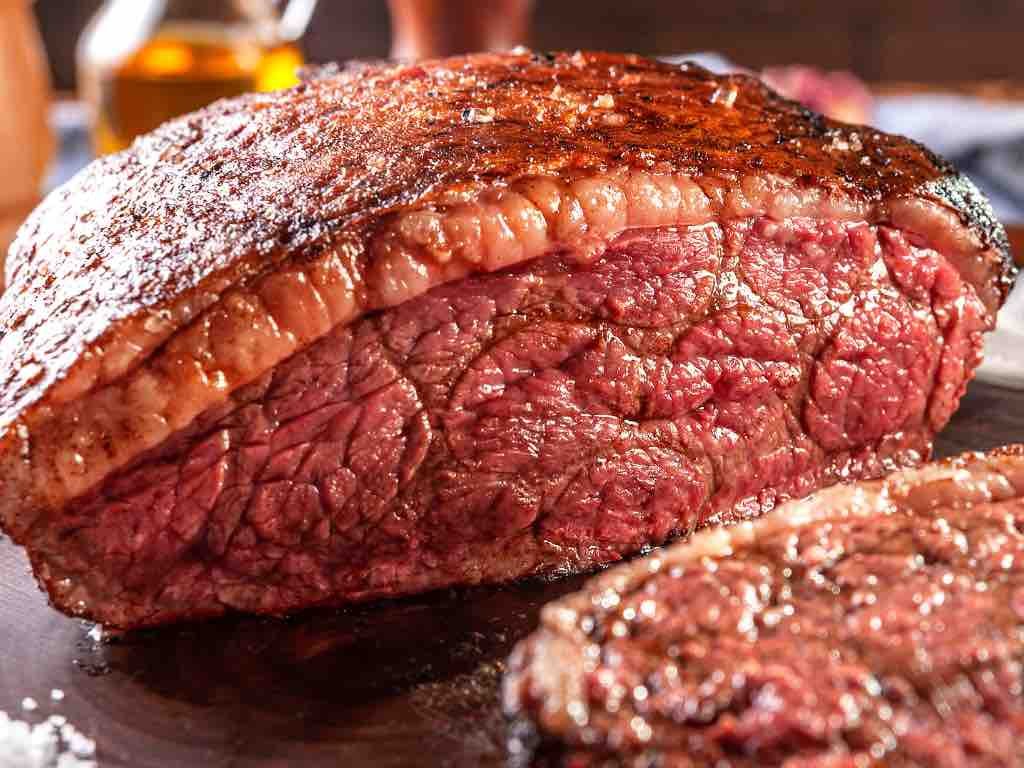
In the world of barbecue, few cuts of beef inspire as much reverence and mouthwatering anticipation as picanha. Originating in Brazil, picanha has not only become a symbol of the country’s vibrant food culture but has also gained popularity among steak lovers and chefs worldwide. With its unique texture, exceptional flavor, and iconic preparation method, picanha is much more than just a piece of meat—it’s an experience. This article delves into the history, preparation, cultural significance, and global influence of picanha, while also exploring related barbecue traditions and culinary techniques.
What is Picanha?
Picanha is a beef cut taken from the top of the rump, specifically the “cap” or “culotte” muscle (known anatomically as the biceps femoris). What makes picanha distinctive is the thick layer of fat, called the fat cap, that sits atop the meat. This fat is not trimmed away; instead, it is considered essential, imparting rich flavor and juiciness to the steak during cooking.
In many countries, this cut is often divided into other steaks or ground into hamburger meat, meaning it rarely appears by name outside of Brazil. However, as Brazilian steakhouses (churrascarias) and their rodízio-style service have spread globally, so too has the fame of picanha.
The History and Tradition of Picanha
Picanha is deeply intertwined with the tradition of churrasco, the Brazilian barbecue that originated in the southern regions of the country, especially Rio Grande do Sul. Gauchos—South American cowboys—are credited with inventing this style of barbecue, where large cuts of meat are skewered and slow-cooked over open flames or hot coals.
The word “picanha” is believed to be derived from the “picana,” a pole used by ranchers to herd cattle. Over time, the name came to refer to the prized cut located where the pole would prod the animal. For generations, picanha has been the centerpiece of family gatherings, celebrations, and social occasions, reinforcing bonds and creating lasting memories.
Picanha Preparation: Simplicity and Perfection
One of the reasons picanha is so beloved is its simple yet effective preparation. Traditional Brazilian seasoning consists of nothing more than coarse sea salt. The fat cap is left intact, and the meat is often sliced into thick steaks or folded into a C-shape and threaded onto large metal skewers.
The cooking process is equally straightforward: picanha is grilled over high heat, fat side up, so the melting fat bastes the meat as it cooks. The exterior becomes beautifully charred, while the interior remains juicy and tender. The result is a steak with a crisp, salty crust and a rich, buttery flavor that needs no sauce or elaborate seasoning.
In churrascarias, servers carve slices of picanha directly onto diners’ plates, ensuring every bite is hot and fresh. This interactive and communal style of dining is central to the Brazilian barbecue experience.
How to Identify and Buy Picanha
In countries like the United States or the UK, picanha may be labeled differently or not sold as a distinct cut. Butchers might refer to it as the “rump cap,” “top sirloin cap,” or “culotte steak.” The key to authentic picanha is the crescent-shaped muscle with a thick, even fat cap.
When selecting picanha, look for a cut weighing between two and three pounds, with a fat cap that is about 1 cm thick. Avoid pieces that have had the fat removed or are cut too thin, as the fat is crucial for flavor and tenderness.
Picanha Around the World
As Brazilian cuisine has gained international recognition, picanha has emerged as a favorite at steakhouses and backyard barbecues alike. In the United States, it’s increasingly featured on restaurant menus and in specialty butcher shops. In Argentina and Uruguay, similar cuts exist, such as “tapa de cuadril,” but the Brazilian method of preparation remains unique.
In Portugal, where the word “picanha” is also used, the cut is highly prized and often grilled over charcoal. Global food influencers and chefs have further popularized picanha through cooking shows, YouTube videos, and social media, inspiring home cooks to try their hand at Brazilian-style grilling.
Cooking Picanha at Home
Recreating authentic picanha at home is easier than it may seem. Here’s a step-by-step guide:
- Seasoning: Generously coat the meat with coarse sea salt. Some enthusiasts add black pepper or garlic, but traditionalists stick to salt alone.
- Skewering: For the churrasco experience, cut the meat into thick strips, fold each strip into a C-shape (fat cap on the outside), and thread onto metal skewers.
- Grilling: Place the skewers over a hot barbecue, fat side up. Grill until the exterior is well-seared, then rotate to cook evenly. For steak cuts, grill directly over high heat for 3–4 minutes per side.
- Resting: Allow the meat to rest for a few minutes before slicing. This ensures juices redistribute, keeping the steak tender.
- Serving: Slice against the grain and serve immediately, ideally with classic Brazilian sides like farofa (toasted cassava flour), pão de queijo (cheese bread), and vinaigrette salsa.
Picanha vs. Other Cuts
Picanha is often compared to sirloin, ribeye, and tri-tip, but its unique fat cap and muscle structure set it apart. Ribeye is known for its marbling and tenderness; sirloin for its beefy flavor; tri-tip for its lean, triangular cut. Picanha, however, combines tenderness, flavor, and juiciness in a way that few other cuts can match, thanks to its fat cap and the Brazilian grilling tradition.
Related Barbecue Traditions
While Brazil’s churrasco is renowned for picanha, other cultures have their own revered barbecue cuts and methods:
- Argentina: Asado features cuts like bife de chorizo and short ribs, cooked over wood embers.
- United States: Brisket, ribs, and T-bone steaks dominate American barbecues, with a focus on slow smoking or grilling.
- Korea: Galbi and bulgogi are marinated and grilled, often at the table, for a communal experience.
What unites these traditions is a passion for fire, meat, and community—values that are embodied in every slice of picanha.
Nutritional Benefits
Picanha, when enjoyed in moderation, is a good source of protein, iron, zinc, and B vitamins. The fat cap, while indulgent, can be trimmed after cooking for a lighter meal. Pairing picanha with fresh salads and vegetables balances the richness and adds nutritional value to the meal.
The Cultural Significance of Picanha
Picanha is more than just a steak; it’s a cultural icon. In Brazil, serving picanha is a gesture of hospitality and celebration, whether at a family barbecue, a festive gathering, or a professional churrascaria. The sharing of picanha brings people together, transcending social and economic boundaries.
The communal act of grilling, slicing, and savoring picanha speaks to the universal power of food to unite and delight.
Conclusion
Picanha’s journey from the rolling plains of southern Brazil to dinner tables around the world is a testament to the enduring appeal of simple, well-prepared food. Its rich flavor, juicy texture, and unmistakable fat cap make it a star of any barbecue, while its cultural significance elevates it beyond mere sustenance.
Whether you’re a seasoned grill master or a curious foodie, exploring the world of picanha is an invitation to experience the best of Brazilian hospitality, tradition, and taste. So fire up the grill, gather your friends and family, and let the sizzle of picanha transport you to the heart of churrasco.