If your home feels like a greenhouse in the summer, your furniture is fading, or you’re craving more privacy without giving up natural light, house window tinting could be the solution you’ve been overlooking. Residential window film is one of the most cost-effective home upgrades available — delivering energy savings, UV protection, and enhanced comfort without the price tag of full window replacement. This guide covers everything you need to know about house window tinting in 2026, from film types and costs to finding a trusted local installer.
What Is Residential Window Tinting?
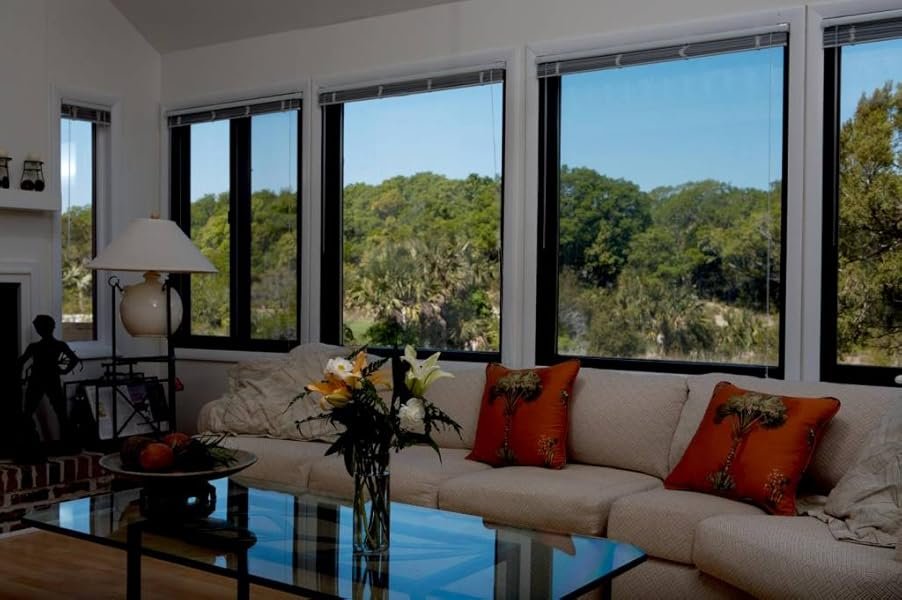
Residential window tinting involves applying a thin, transparent (or semi-transparent) film to the interior surface of your home’s windows. Unlike car tinting, which is primarily about privacy and aesthetics, house window tinting serves a broader range of purposes: blocking heat and UV rays, reducing glare, improving energy efficiency, enhancing privacy, and even reinforcing glass against breakage.
Modern window films are far more advanced than the dark, reflective sheets of decades past. Today’s options range from nearly invisible ceramic films to decorative frosted panels — and most are designed to work without dramatically changing the look of your home from the outside.
Types of Residential Window Film
Choosing the right film is the most important decision in the process. Here’s a breakdown of the main types available in 2026:
Standard Non-Reflective Film The most affordable option, standard film blocks roughly 35% of solar heat and provides basic UV protection. It’s a good entry-level choice for rooms that get moderate sun exposure. Expect to pay around $6–$7 per square foot installed.
Reflective/Metalized Film Reflective films use a metallic coating to bounce sunlight away from the glass, blocking up to 75% of solar heat and providing complete daytime privacy. They’re ideal for south- or west-facing windows that get intense afternoon sun. Installed cost runs $7–$9 per square foot.
Ceramic Window Film Ceramic film is the premium choice for homeowners who want maximum performance without a mirrored appearance. It blocks 65% or more of infrared heat while remaining virtually clear, preserving your views and maintaining a neutral look from both inside and out. Ceramic film costs $7–$12 per square foot installed and is widely considered the best balance of performance and aesthetics.
Solar Control Film Specifically engineered to reduce heat gain and lower cooling costs, solar window films are available in a range of visible light transmission levels. Costs range from $7–$18 per square foot depending on the technology involved.
Security Film Security window film is thicker and designed to hold shattered glass in place during break-ins, storms, or accidents. It won’t stop a determined intruder, but it significantly slows entry and reduces injury risk from flying glass. Security film runs $8–$15 per square foot installed.
Decorative and Frosted Film Decorative films mimic etched or frosted glass, adding privacy and style to bathrooms, entryways, and office spaces. These films are purely aesthetic and don’t provide significant heat or UV blocking. Pricing varies widely based on design complexity.
Smart/Switchable Glass Film At the high end of the market, smart glass film can switch from transparent to opaque with the flip of a switch or a smartphone app. It’s ideal for conference rooms, master bathrooms, or any space where instant privacy is needed. Smart film costs $25–$55 per square foot — a significant investment, but one that replaces the need for blinds or curtains entirely.
How Much Does House Window Tinting Cost in 2026?
Residential window tinting costs vary based on film type, window size and count, home location, and installer rates. Here’s what to expect:
- National average: $587–$611 for a typical installation
- Typical project range: $316–$941 for most homes
- Full home (15–20 windows): $1,200–$3,000 for professional installation
- Per square foot: $6–$18 depending on film type; labor adds $1–$10/sq ft
Several factors push costs up or down:
- Number and size of windows: More windows and larger panes mean higher total costs, though some installers offer per-project discounts for whole-home jobs.
- Film type: Ceramic and solar films cost more than standard options but deliver better long-term savings on energy bills.
- Window accessibility: Upper-floor windows, arched windows, and skylights require extra labor and typically cost more.
- Location: Urban markets with higher labor costs will see prices at the top of the range.
It’s worth noting that window tinting typically pays for itself over time. By reducing heat gain by up to 15°F in sun-exposed rooms, quality window film can meaningfully lower your air conditioning costs each summer.
Key Benefits of Residential Window Tinting
Homeowners choose window tinting for a wide range of reasons, and most find the benefits extend beyond what they originally expected:
Energy Efficiency: Window film reduces solar heat gain, cutting cooling costs during warm months. In climates with intense summers, this alone can justify the upfront investment.
UV Protection: High-quality window films block up to 99% of ultraviolet rays — the same rays that fade hardwood floors, bleach upholstery, and damage artwork. This is one of the most underappreciated benefits of residential tinting.
Glare Reduction: Reflective and ceramic films dramatically cut screen glare, making home offices and living rooms far more comfortable during daylight hours.
Privacy: Depending on the film type, window tinting can provide daytime privacy without blocking your view from the inside. Frosted and decorative films offer full privacy around the clock.
Safety and Security: Security film holds broken glass together, reducing the risk of injury and slowing unauthorized entry.
Furniture and Flooring Protection: By blocking UV rays and reducing heat, window film extends the life of your interior furnishings — a benefit that adds real financial value over time.
DIY vs. Professional Installation
Window film kits are available at home improvement stores starting around $2 per square foot, and many homeowners attempt DIY installation to save money. The process involves cutting the film to size, wetting the glass, and carefully applying the sheet without bubbles or wrinkles.
In practice, DIY installation is harder than it looks. Bubbles, misaligned cuts, and peeling edges are common problems — and mistakes are difficult to reverse once the film is applied. Professional installers bring specialized tools, years of experience, and manufacturer warranties that typically aren’t available on DIY jobs. For large windows, upper-floor installations, or premium films like ceramic or smart glass, professional installation is strongly recommended.
What to Expect During Professional Installation
A professional residential window tinting job is typically completed in a single day for most homes. The installer will:
- Clean each window thoroughly to remove dust, oils, and debris
- Measure and cut the film to fit each pane precisely
- Apply a slip solution to the glass and carefully position the film
- Use a squeegee to remove air bubbles and excess moisture
- Trim edges for a clean, seamless finish
After installation, a curing period of a few days to a few weeks is normal — you may notice slight haziness or small water pockets during this time, which disappear as the adhesive fully bonds to the glass.
How to Care for Tinted Windows
Properly maintained window film lasts 5–25 years depending on film quality and sun exposure. To maximize lifespan:
- Wait at least 30 days after installation before cleaning
- Use a soft microfiber cloth and a mild, non-ammonia cleaner
- Avoid abrasive scrubbers, ammonia-based products, and alcohol-based sprays
- Inspect film annually for peeling or bubbling and address issues early
How to Find a House Window Tinting Service Near You
Finding a reliable local installer takes a bit of research, but it’s worth doing right. Here’s how to find a trusted professional:
- Search Google or Yelp for “house window tinting near me” and filter results by rating and number of reviews
- Check Angi, Thumbtack, or HomeAdvisor for vetted local professionals with verified reviews and project photos
- Ask for references from recent residential jobs — not just commercial or automotive tinting
- Request at least three quotes and compare film brands, warranty terms, and labor rates
- Verify insurance and licensing in your state, as requirements vary by location
- Ask about film warranties — reputable manufacturers offer 10–15 year warranties on residential films, and installers should back their labor as well
When comparing quotes, don’t just look at price. A cheaper installer using a low-grade film may cost more in the long run if the film peels, fades, or fails to deliver meaningful energy savings.
Is House Window Tinting Worth It?
For most homeowners, the answer is yes. Residential window tinting is significantly more affordable than window replacement, delivers measurable energy savings, protects your interior, and enhances comfort and privacy — all without altering the look of your home. Whether you’re dealing with a sun-drenched living room, a home office plagued by screen glare, or a bathroom that needs more privacy, there’s a window film designed to solve your specific problem. Start by getting two or three quotes from local installers, and you’ll likely find that professional house window tinting is one of the most practical upgrades you can make in 2026.