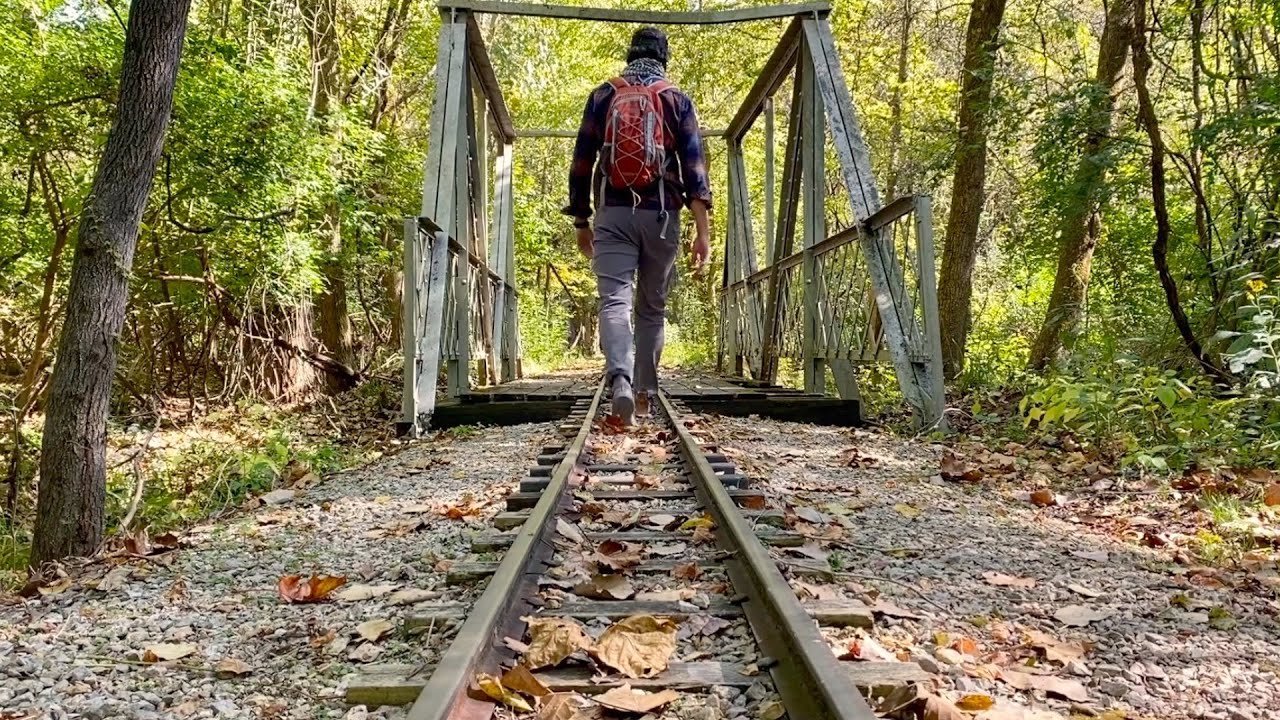
Everyone knows about Half Dome. Everyone has seen the photos of Angels Landing. And on a summer weekend, everyone is also standing in line for those trails — permit lottery stress included. The most Instagrammed hikes in America have become something closer to theme park experiences than wilderness escapes, and that’s not a knock on the people who love them. It’s just a fact of modern outdoor culture. The trails worth talking about in 2025 aren’t necessarily the ones with the biggest reputations. They’re the ones where you can still hear yourself think.
If you’ve typed “hikes near me” into a search bar recently, you’ve probably noticed the same five trails recycled across every listicle. This guide takes a different approach. Instead of pointing you toward the obvious, it’s about helping you find the right hike for who you actually are — and showing you where the quieter, more rewarding trails are hiding.
What Hiking Actually Does to Your Brain
Before we get into where to go, it’s worth understanding why hiking is worth the effort beyond the obvious fitness benefits. The science here is genuinely compelling.
A Stanford University study found that people who walked 90 minutes in a natural environment showed significantly reduced activity in the part of the brain associated with rumination — the repetitive negative thinking that feeds anxiety and depression. Urban walkers in the same study didn’t experience that shift. There’s something specific about trees, open sky, and uneven terrain that quiets the mental noise that accumulates during a normal week.
A peer-reviewed integrative review published in Frontiers in Public Health in 2025 confirmed what many hikers already know intuitively: regular time on trails improves cardiovascular function, reduces chronic disease risk, enhances immune response, alleviates stress, and — perhaps most surprisingly — contributes to social connection and community cohesion. Even a single 30-minute hike can reduce stress hormones by as much as 28%. Researchers have also identified two hours per week outdoors as the measurable threshold at which mental health benefits become consistent and significant.
The upshot: hiking isn’t just a workout. It’s one of the most evidence-backed things you can do for your mind.
The Problem with “Popular” Trails
AllTrails has over 60 million users globally, which is great for trail discovery and terrible for trail solitude. The most-reviewed trails on any platform are, by definition, the most crowded ones. When you search “hikes near me” and sort by popularity, you’re essentially booking the busiest restaurant in town on a Saturday night.
A smarter approach is to invert the filter. On AllTrails, sort by “least reviewed” or look for trails with fewer than 50 community photos. These are the trails where hikers report seeing almost no one else — sometimes not a single other person on a weekend morning. The experience is categorically different. You stop performing the hike and start actually having it.
Local Facebook hiking groups and regional Reddit communities are another underused resource. These spaces surface trail conditions in real time and often contain insider knowledge that no app has indexed. Someone in your city’s hiking group likely knows about a trail that’s been there for decades and never made it onto a listicle.
Matching the Hike to the Person
One of the most common mistakes hikers make — especially newer ones — is choosing a trail based on its reputation rather than their actual fitness level and goals. A 10-mile trail with 3,000 feet of elevation gain sounds impressive, but if you’re coming off a winter of mostly sedentary work, it’s a recipe for misery, not inspiration.
Before committing to a trail, check three things: total distance, elevation gain, and the most recent user reviews. Recent photos are especially useful — they’ll show you whether the trail is muddy, whether a creek crossing is passable, or whether the wildflowers are actually blooming. Trail ratings are also worth scrutinizing. “Moderate” means something very different in Florida than it does in Colorado.
If your goal is stress relief and mental reset, shorter trails with water features — creeks, small waterfalls, lakeshores — tend to outperform long summit slogs on that specific metric. If you’re training for something bigger, you want consistent elevation gain. If you’re hiking with kids or dogs, look specifically for loop trails with bailout options. The “best hike” is always the one that matches what you actually need that day.
Hidden Gems by Region
Pacific Northwest: The Columbia River Gorge gets most of the attention in Oregon, but the Elowah Falls trail remains one of its most overlooked stretches — a dramatic waterfall tucked into a basalt canyon that sees a fraction of the foot traffic of nearby Multnomah. If you want to go even further off the radar, Herman Creek Trail in the eastern Gorge is one of the least-crowded options in the entire corridor. On a Sunday, you might share it with almost no one.
California: The Lost Coast Trail in Northern California runs 25 miles along remote beaches and rugged coastline, offering solitude and views of the Pacific that feel nothing like the state’s crowded tourist corridors. Note that tides dictate your schedule on this one — some sections are impassable at high tide. For something shorter and shadier, Lewis Creek Trail in the Sierra National Forest is an easy-to-moderate option with waterfalls, cascades, and tree cover that makes it ideal in warmer months.
Michigan: Isle Royale National Park, sitting in the middle of Lake Superior, is one of the least-visited national parks in the country — which means over 160 miles of trails through dense forests and along rugged lakeshores with almost no crowds. The Scoville Point Loop Trail is a 4.7-mile accessible option with genuinely unbeatable views and the occasional moose sighting. Closer to the Lower Peninsula, Wilderness State Park offers more than 26 miles of coastal trails that rarely appear on any “best of” list.
Southwest: Near St. George, Utah, the Babylon Arch Trail is a three-mile round trip to a sandstone arch that gets a fraction of the visitors that Arches National Park draws. The Anasazi Ridge Petroglyphs Trail (2.4 miles) adds a layer of cultural history to the landscape — ancient rock art panels that feel genuinely remote despite being accessible. Secret Canyon near Page, Arizona, offers the same narrow slot canyon drama as Antelope Canyon without the tour groups.
Texas: In Austin, St. Edwards Park is one of those rare urban trails that actually feels wild — a forest-like corridor with a waterfall, creek, and rope swing that locals have been quietly treasuring for years. It’s the kind of place that surprises people who assumed Austin’s hiking scene was limited to the Barton Creek Greenbelt.
Northeast: Great Basin National Park in Nevada is one of the least-visited national parks in the lower 48 states, and the Alpine Lakes, Bristlecone, and Glacier Loop — an 11-mile journey through ancient bristlecone pines and alpine lakes — is a genuinely world-class hike that most people have never heard of. In New York, the Vernooy Kill Falls trail in the Catskills’ Sundown Wild Forest and the Clear Pond Trail in the Adirondacks’ White Hill Wild Forest offer accessible, crowd-free hiking within reach of the Northeast’s densest population centers.
The Social Dimension of Hiking
Hiking is often framed as a solitary pursuit, but the research on group hiking tells a different story. Studies show that partnered and group hiking builds trust, a sense of belonging, and mutual support in ways that solo gym workouts simply don’t. There’s something about shared physical effort in a natural setting that accelerates connection — conversations go deeper on a trail than they do at a coffee shop.
If you don’t have a hiking partner, local hiking clubs and outdoor meetup groups are one of the most underrated ways to build community in a new city. Many of them organize weekly hikes at varying difficulty levels, and they’re often the best source of local trail knowledge you’ll find anywhere. Ranger stations and independent outdoor gear shops are similarly valuable — the staff at a good local outfitter often knows about trails that don’t exist on any app.
A Note on Seasonal Strategy
The best time to hike a given trail depends entirely on what you want from it. Spring brings wildflowers and peak waterfall flows but also muddy, sometimes impassable conditions. Summer is ideal for high-elevation alpine trails that are snowbound the rest of the year. Fall delivers color and cooler temperatures on lower-elevation forested trails. Winter, often dismissed, offers near-total solitude on trails that would be packed in July — and on clear days, the light through bare trees is its own kind of stunning.
The habit worth building is checking trail conditions within 48 hours of your planned hike. A single recent review with a photo tells you more than any guidebook.
The Trail That’s Right for You Is Probably Closer Than You Think
The best hike near you isn’t necessarily the most famous one, the longest one, or the one with the most AllTrails reviews. It might be a 3-mile loop in a county park that nobody talks about, a trail that follows a creek through the edge of your city, or a forest road that Google Maps doesn’t even label correctly. The point isn’t the destination — it’s the particular quality of attention that trails demand, the way they pull you out of your head and into the specific texture of the world around you. Find the trail that does that for you, and the question of where to hike next becomes a lot less complicated.