If you’ve been searching for “veneers near me,” you’re likely ready to do something about the smile you’ve always wanted — and you’re in the right place. Dental veneers are one of the most popular and transformative cosmetic dental treatments available today, capable of correcting everything from stained and chipped teeth to gaps and uneven edges in just a few visits. This guide covers everything you need to know before booking your consultation: what veneers are, the different types available, how much they cost in 2026, what the process involves, and how to find the best cosmetic dentist near you.
What Are Dental Veneers?
Dental veneers are thin, custom-made shells bonded to the front surface of your teeth to improve their appearance. They are designed to enhance color, shape, and alignment while maintaining a completely natural look — usually with minimal tooth preparation. Rather than treating individual cosmetic concerns separately, veneers offer a combined solution that can address multiple issues at once.
Veneers are commonly used to correct:
- Stained or discolored teeth that don’t respond to whitening
- Chipped, cracked, or worn enamel
- Minor gaps or spaces between teeth
- Uneven, misshapen, or slightly misaligned teeth
- Teeth that appear too short or too small
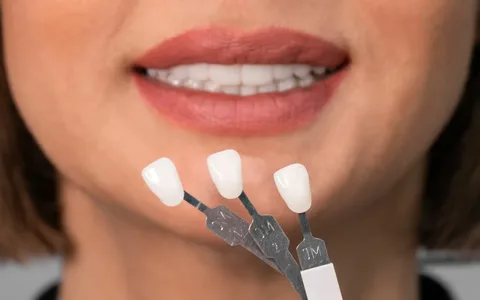
Because each veneer is custom-fabricated to match the exact shape, size, and shade of your natural teeth, the results look seamless and lifelike. With proper care, veneers can last 10 to 20 years — making them one of the most durable and cost-effective cosmetic dental investments available.
Types of Dental Veneers
Not all veneers are created equal. Understanding the differences between veneer types is essential before choosing the right option for your smile and budget.
Porcelain Veneers Porcelain veneers are widely considered the gold standard in cosmetic dentistry. They are extremely resistant to staining and closely mimic the light-reflective properties of natural tooth enamel, giving them an exceptionally lifelike appearance. Because porcelain veneers are fabricated in a dental lab, the process typically requires two to three visits over two to three weeks. A small amount of enamel — usually 0.3 to 0.5mm — is removed from the tooth surface to make room for the veneer, which means the procedure is considered permanent and irreversible.
Composite (Resin) Veneers Composite veneers are made from tooth-colored resin and applied directly to the teeth by your dentist in a single appointment — no dental lab required. This makes them the most affordable and fastest veneer option. They are an excellent choice for patients who want to preview the look of veneers before committing to porcelain, or for those working with a tighter budget. The trade-off is durability: composite veneers typically last 5 to 7 years compared to porcelain’s 10 to 20 years, and they are more susceptible to staining over time.
No-Prep Veneers (Lumineers) No-prep veneers — including well-known brands like Lumineers — are ultra-thin porcelain shells, typically just 0.2 to 0.3mm thick, that bond directly over your existing teeth with little to no enamel removal. Because they preserve your natural tooth structure, they are often considered a reversible option. No-prep veneers are popular among first-time veneer patients who want a less invasive approach, and in many cases, little to no anesthesia is required during placement.
Zirconia and E-Max Veneers These are premium porcelain options that offer exceptional strength and aesthetics. E-max veneers, made from lithium disilicate, are prized for their translucency and natural appearance. Zirconia veneers are the most durable option available, making them ideal for patients with strong bite forces or those who grind their teeth. Both options sit at the higher end of the price range.
How Much Do Veneers Cost in 2026?
Veneer costs vary widely depending on the material, the number of teeth treated, your dentist’s experience, and your geographic location. Here is a clear breakdown of current 2026 pricing:
- Composite veneers: $250 to $1,500 per tooth
- Porcelain veneers: $800 to $2,500 per tooth
- No-prep veneers (Lumineers): $800 to $2,500 per tooth
- Zirconia / E-Max veneers: $1,200 to $3,000 per tooth
Most patients need 6 to 8 veneers for a full smile transformation, bringing total costs to roughly $4,800 to $20,000 depending on material and scope. Most smile enhancements focus on the upper front 6 to 10 visible teeth.
Several key factors influence your final price:
Location: Dental practices in major metropolitan areas like New York City or Los Angeles typically charge 20 to 30 percent more than suburban or rural clinics. Urban overhead, higher lab costs, and market rates all contribute to the difference.
Dentist Experience: Cosmetic dental specialists generally charge more than general dentists — sometimes $200 to $600 more per tooth — but their expertise in smile design and precision often justifies the premium.
Dental Lab Quality: Porcelain veneers are fabricated in a dental lab by skilled ceramists who hand-layer porcelain to create depth and translucency. U.S.-based labs typically produce superior results but cost more than overseas alternatives.
Number of Teeth: The more veneers you need, the higher the total investment — though per-tooth pricing sometimes decreases slightly with larger cases.
Case Complexity: Patients with significant misalignment, gum issues, or extensive staining may require preparatory work such as gum contouring or Invisalign before veneers can be placed, adding to the overall cost.
Are Veneers Covered by Insurance?
In most cases, dental insurance does not cover veneers because they are classified as a cosmetic procedure. However, if a veneer is required to restore a structurally damaged tooth — such as a severe fracture or significant wear — some insurance policies may provide partial coverage. It’s always worth calling your insurance provider to check your specific plan before assuming you’ll pay out of pocket entirely.
For patients without coverage, most cosmetic dental practices offer flexible financing options through third-party lenders, in-house payment plans, and dental savings plans that can significantly reduce the upfront cost of treatment.
What to Expect During the Veneer Process
Understanding the veneer process helps you know exactly what to expect from your first consultation to your final appointment.
Step 1 — Consultation and Smile Design Your first visit involves a comprehensive smile analysis, including digital photography, X-rays, and in many practices, a 3D digital mock-up that lets you preview your new smile before any work begins. Your dentist will assess your oral health, discuss your goals, and recommend the best veneer type for your case.
Step 2 — Tooth Preparation For traditional porcelain veneers, a small amount of enamel is removed from the front surface of each tooth to create space for the veneer. Temporary veneers are placed to protect your teeth while the permanent ones are being fabricated in the dental lab — a process that typically takes 7 to 14 days.
Step 3 — Bonding At your final appointment, the custom veneers are permanently bonded to your teeth using dental resin and cured with UV light. Your dentist will make any final adjustments to ensure a perfect fit, natural bite, and flawless appearance.
For composite veneers, the entire process can be completed in a single appointment, with no lab time required.
How to Find the Best Veneers Dentist Near You
Finding a skilled cosmetic dentist for veneers requires more than a quick Google search. Here’s how to identify the right provider in your area:
Search for Cosmetic Dentistry Specialists Search for “veneers near me,” “porcelain veneers near me,” or “cosmetic dentist near me” to pull up local providers. Look specifically for dentists who list cosmetic dentistry and veneers as a primary focus — not just a side service.
Review Before-and-After Photos Any reputable cosmetic dentist will have a portfolio of before-and-after photos from real patients. These give you the clearest sense of the quality and aesthetic style of their work. Look for cases similar to your own dental concerns.
Read Verified Patient Reviews Platforms like Google, Yelp, and RealSelf offer verified patient reviews specifically for cosmetic dental procedures. Pay attention to reviews that mention veneers, smile makeovers, and the overall patient experience from consultation through final bonding.
Ask About Digital Smile Design The best cosmetic dentists use digital smile design technology to create a mock-up of your results before any enamel is touched. This technology ensures you and your dentist are aligned on the final outcome before treatment begins.
Get Multiple Consultations Don’t commit to the first dentist you visit. Getting two or three consultations allows you to compare treatment plans, pricing, and your comfort level with each provider. Ask for a written, itemized estimate that includes all associated costs — including any preparatory procedures.
Verify Credentials Look for dentists with advanced training in cosmetic dentistry, membership in organizations like the American Academy of Cosmetic Dentistry (AACD), and a minimum of five years of experience placing veneers.
Is the Investment Worth It?
For most patients, absolutely. When you consider the long-term value, the math is compelling. A porcelain veneer that costs $1,500 and lasts 15 years works out to just $100 per year — less than many people spend on teeth whitening treatments that deliver far more temporary results. Veneers address multiple cosmetic concerns in one treatment, deliver immediate and dramatic results, and with proper care, can last well over a decade.
More importantly, the confidence that comes from a smile you’re proud of is something that’s difficult to put a price on.
Final Thoughts
If you’ve been dreaming about a smile transformation, searching for “veneers near me” is the first step in the right direction. Whether you opt for composite, porcelain, or no-prep veneers, the key is finding a skilled cosmetic dentist who takes the time to understand your goals, uses advanced technology, and provides transparent pricing. Use the tips in this guide to compare your local options, ask the right questions, and move forward with confidence.
Your best smile is closer than you think.