When something goes wrong underground, you rarely get a warning. Sewer problems are among the most expensive and disruptive issues a homeowner can face — and they almost always come as a surprise. That’s exactly why searching for “sewer inspection near me” is one of the smartest moves you can make as a homeowner. Whether you’re buying a new home, noticing slow drains, or simply being proactive about maintenance, a professional sewer inspection gives you a clear picture of what’s happening inside your pipes before a small problem becomes a catastrophic one. This guide covers everything you need to know about sewer inspections in 2026 — what they are, how they work, how much they cost, and how to find a trusted professional near you.
What Is a Sewer Inspection?
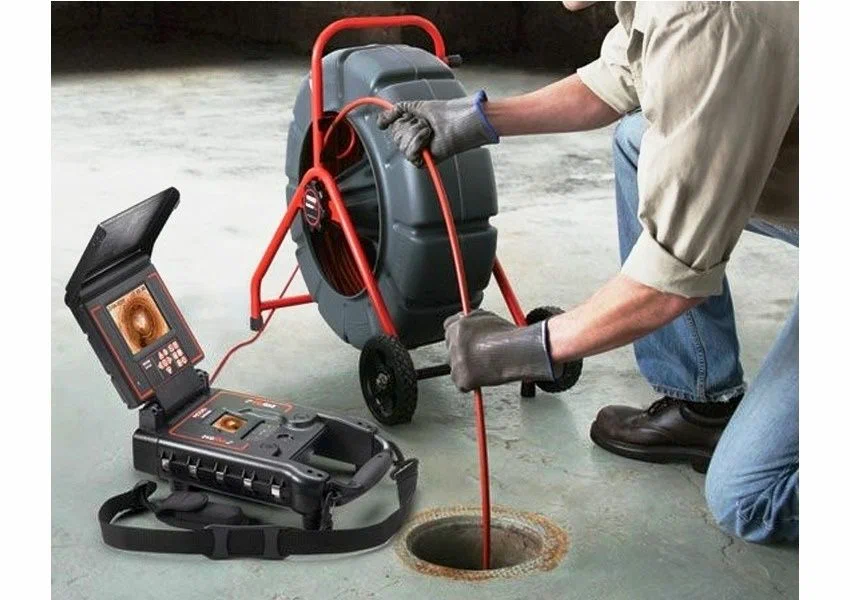
A sewer inspection — also called a sewer scope inspection or sewer camera inspection — is a process where a licensed plumber or drain specialist inserts a small, high-resolution camera attached to a flexible cable into your sewer line. The camera transmits a real-time video feed from inside the pipes, allowing the technician to see exactly what’s happening underground without any digging or guesswork.
The camera travels through the lateral sewer line — the underground pipe that runs from your home’s foundation to the public sewer main at the street. As it moves through the pipe, it identifies any blockages, damage, or deterioration along the way. Many professional drain cameras also have a built-in transmitter that allows the plumber to pinpoint the exact location and depth of any problem underground, which is invaluable when repairs are needed.
Think of it as a health checkup for your home’s most important — and most hidden — system.
What Can a Sewer Inspection Reveal?
A sewer camera inspection can identify a wide range of problems that would otherwise go completely undetected. Common issues uncovered include:
Tree Root Intrusion This is the number one cause of sewer line damage. Mature trees with extensive root systems naturally seek out moisture, and even a hairline crack in a pipe is enough for roots to find their way in. Over time, roots can fill or even crush a pipe entirely. Tree root infiltration is especially common in older cast-iron and clay sewer lines.
Cracked or Collapsed Pipes Aging pipes — particularly those made of clay, Orangeburg, or cast iron — are susceptible to cracking, corrosion, and in severe cases, full collapse. These issues can cause slow drainage, sewage backups, and significant structural damage to your property if left unaddressed.
Offset or Misaligned Joints Over time, ground shifting and soil movement can cause pipe sections to separate or misalign at the joints. This creates gaps where waste can escape into the surrounding soil, leading to contamination and sinkholes.
Grease and Debris Buildup Years of cooking grease, soap scum, and debris accumulation can narrow pipe interiors to the point where blockages become frequent. A camera inspection can confirm whether buildup is the cause of recurring clogs.
Bellied Pipes A pipe belly occurs when a section of the sewer line sags downward due to soil settlement, creating a low point where waste and water pool instead of flowing freely toward the main.
How Much Does a Sewer Inspection Cost in 2026?
Cost is one of the most common questions homeowners have before scheduling a sewer inspection. The good news is that it’s one of the most affordable preventive investments you can make in your home.
Sewer scope inspections typically cost between $125 and $500 for most residential properties, with the national average sitting around $280. More comprehensive inspections or those in complex urban environments can range higher — in a city like New York, for example, the average sewer camera inspection runs around $872, with most homeowners paying between $328 and $1,548 due to older infrastructure and higher labor costs.
Several factors influence the final price:
- Pipe length and complexity: Most homes have sewer lines between 50 and 100 feet. Longer lines or those with multiple branches take more time and equipment, increasing cost.
- Access difficulty: Homes with a dedicated cleanout — an above-ground pipe providing direct access to the sewer line — are cheaper to inspect. If no cleanout exists, the plumber must remove a toilet to gain access, which adds labor time and cost.
- Pipe material: PVC pipes are straightforward to inspect. Cast iron, clay, and Orangeburg pipes may require specialized equipment and extra care to avoid damaging deteriorated sections during the inspection.
- Camera technology: Basic standard-definition cameras are sufficient for most routine inspections. Advanced options like HD cameras or 360-degree imaging provide more detailed documentation but come at a higher price.
- Scheduling: Standard business-hour appointments cost significantly less than emergency or after-hours calls. Scheduling during regular weekday hours can save $100 to $300 compared to urgent service.
Add-on services like video recording ($75–$175) and written assessment reports ($100–$250) are worth considering if you’re using the inspection for a real estate transaction or insurance documentation.
When Should You Get a Sewer Inspection?
Not sure if now is the right time to schedule a sewer inspection? Here are the most important situations that call for one:
Before Buying a Home This is perhaps the single most important time to get a sewer inspection. Standard home inspections typically do not include sewer lines, which means serious and expensive issues can go completely unnoticed until after closing. Spending a few hundred dollars before buying a home can help you avoid thousands in unexpected repairs later — or give you valuable leverage to negotiate repairs or a price reduction with the seller.
Your Home Is More Than 20 Years Old Older pipes — especially those made of clay or cast iron — are far more susceptible to deterioration, cracks, and root intrusion. For homes over 40 years old, experts recommend inspections every one to three years. Newer homes can typically go five to seven years between inspections.
You Have Large Trees on Your Property Mature trees with extensive root systems near your sewer line are a significant risk factor. If you have large trees in your front yard, along the sidewalk, or between your house and the street, annual or semi-annual inspections may be advisable.
You’re Experiencing Warning Signs Common red flags that warrant an immediate inspection include slow drains in multiple fixtures, gurgling sounds from toilets, foul odors near floor drains, wet or soggy patches in the yard, and unexplained increases in pest activity. Any combination of these symptoms strongly suggests a sewer line problem.
History of Plumbing Issues If you’ve experienced frequent clogs, sewage backups, or drain cleaning services in the past, regular inspections can help identify recurring problems and prevent future incidents.
How to Find a Sewer Inspection Professional Near You
Finding a qualified sewer inspection specialist in your area is straightforward with the right approach:
Search Online Typing “sewer inspection near me” or “sewer scope inspection near me” into Google will pull up local licensed plumbers and drain specialists, complete with reviews, ratings, and contact information. Pay close attention to verified customer reviews — especially those that mention camera inspections, sewer scopes, or pre-purchase inspections.
Use Contractor Platforms Sites like Angi (formerly Angie’s List), HomeAdvisor, and HomeGuide allow you to search for local sewer inspection professionals, compare quotes, read reviews, and verify licensing and insurance — all in one place. Many platforms let you request free estimates from multiple pros simultaneously.
Look for Specialized Sewer Scope Companies While general plumbers can perform sewer inspections, companies that specialize exclusively in sewer scoping often provide more thorough reports, faster turnaround, and clearer documentation. Specialized firms typically have no conflict of interest since they don’t also sell repair services.
Verify Credentials Before Hiring Before booking any sewer inspection, make sure to verify the contractor’s license and insurance, look for at least five years of experience, get at least three written estimates for comparison, and ask whether the inspection includes a video recording and written report. Avoid choosing based on price alone — the cheapest quote doesn’t always deliver the most accurate or reliable results.
Is a Sewer Inspection Worth It?
Absolutely. For most homeowners, a sewer scope inspection is well worth the $125 to $500 investment. Sewer line repairs average around $2,500, and a full replacement can exceed $10,000 depending on pipe length and site conditions. Catching a damaged pipe early — or before you close on a home — gives you the information and leverage you need to make smart, cost-effective decisions.
Annual inspections also allow you to identify and fix small problems before they escalate into major ones, making sewer maintenance one of the best long-term investments you can make in your property.
Final Thoughts
Your sewer line is one of the most critical — and most overlooked — systems in your home. A professional sewer inspection near you is the fastest, most affordable way to know exactly what’s happening underground. Use the guidance in this article to understand your options, budget appropriately, and find a trusted local professional who can give you the peace of mind that comes with knowing your pipes are in good shape.