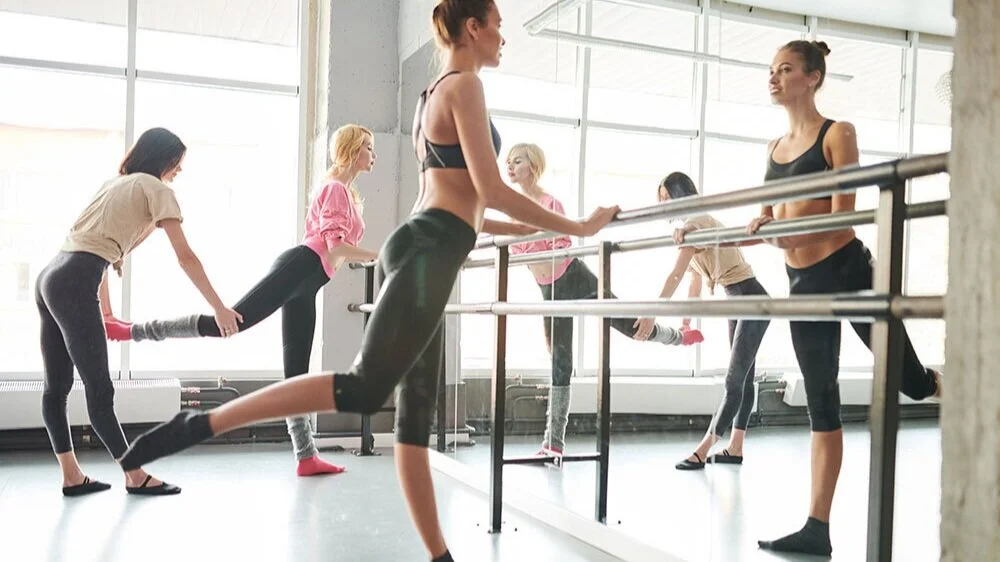
Few questions in the world of athletics and performing arts spark as much passionate debate as this one: Is dance a sport? Ask a football coach and you might get a dismissive laugh. Ask a professional ballet dancer who trains six hours a day, six days a week, and you will get a very different answer. The truth, as with most great debates, is far more nuanced than a simple yes or no.
Dance occupies a unique and fascinating space in our culture — one that straddles the line between athletic competition and artistic expression. It demands the physical conditioning of an elite athlete, the creative vision of an artist, and the discipline of both. As competitive dance continues to grow in popularity and breakdancing made its historic Olympic debut at the Paris 2024 Games, the question of whether dance is a sport has never been more relevant or more fiercely debated.
This article explores both sides of the argument in depth, examines what defines a sport, looks at the physical demands placed on dancers, and ultimately asks: why does the answer even matter?
What Defines a Sport?
Before we can answer whether dance is a sport, we need to agree on what a sport actually is. According to Oxford Languages, a sport is defined as “an activity involving physical exertion and skill in which an individual or team competes against another or others for entertainment.” By that definition alone, competitive dance checks every single box.
Ballroom and Latin dancers are scored on timing and precision. Hip-hop dance teams compete against each other on execution, teamwork, and creativity. Competitive dance events judge participants on technical skills and performance quality — similar to how athletes are evaluated in other athletic competitions. There are governing bodies, rulebooks, rankings, and world championships. The World DanceSport Federation governs international dance competitions at the highest levels.
Yet many people still resist calling dance a sport. The reason usually comes down to one thing: the artistic element. Dance does not just require physical performance — it requires storytelling, emotional expression, and creative interpretation. And that, critics argue, places it firmly in the realm of art rather than sport.
The Case FOR Dance Being a Sport
The physical demands of competitive dance are extraordinary — and often severely underestimated by those outside the dance world. Professional dancers train anywhere from 15 to 30 hours per week, building the kind of strength, stamina, flexibility, and endurance that rivals athletes in any recognized sport.
Consider the following:
Physical Conditioning: Dancers train their bodies intensely, focusing on strength, stamina, flexibility, and endurance — all physical feats that make them stand out just like any other athlete. To sustain such high levels of physical demand, dancers engage in cardiovascular exercises, strength training, and specific conditioning routines designed to maintain intensive performance over long periods. Some dancers perform non-stop for over an hour — an endurance demand comparable to a long-distance runner.
Injury Risk: The injury profile of a professional dancer mirrors that of elite athletes in contact sports. Torn ligaments, stress fractures, muscle strains, and overuse injuries are common. The lifespan of a professional dancer’s career is short — much like that of a professional athlete — and the physical toll is immense.
Competition: Competitive dance is structured exactly like other sports. There are judges, scoring criteria, elimination rounds, and championship titles. Dancers compete directly against one another, with winners and losers determined by panels of expert judges — the same format used in Olympic gymnastics, figure skating, and diving.
Olympic Recognition: Perhaps the most powerful argument for dance as a sport came in 2024, when breaking (breakdancing) made its official Olympic debut at the Paris Games — becoming the first dance-based discipline ever to achieve Olympic recognition as a sport. This historic inclusion represented the International Olympic Committee’s acknowledgment that breaking meets the rigorous standards required for Olympic sport status. Breaking’s path to the Olympics began with its successful debut at the 2018 Youth Olympics in Buenos Aires, where its athletic demands and competitive structure impressed Olympic officials.
The Case AGAINST Dance Being a Sport
Not everyone is convinced — and some of the most thoughtful opposition to classifying dance as a sport comes from within the dance community itself.
Dance Is Primarily Art: For centuries, dance has been tied to ritual, theatre, and cultural expression rather than competition. Great dancers are not just athletes — they are artists. While professional athletes aim to win, dancers aim for something different: to tell stories, open minds, disrupt convention, and inspire audiences. That artistic purpose, many argue, fundamentally separates dance from sport.
Subjective Judging: Critics point out that because dance is evaluated subjectively — based on aesthetics, musicality, and artistic interpretation — it cannot be measured with the same objectivity as a touchdown, a finish line, or a basketball score. However, this argument loses some force when you consider that Olympic gymnastics, figure skating, diving, and boxing all rely on subjective judging panels as well.
The Risk of Reducing Dance: Some dancers and choreographers worry that labeling dance a sport actually diminishes it. When we sum dance up to scoring points and physical competition, we risk stripping it of its immense value and importance as an art form in society. Dance allows people to question things, heal, express identity, and build community — dimensions that go far beyond what a scoreboard can capture.
Dance Compared to Recognized Sports
It is worth noting that dance shares significant similarities with several sports that are already universally recognized and celebrated.
Gymnastics requires strength, flexibility, precision, and artistic presentation — and is scored by judges. Figure skating combines athletic jumps and spins with choreographed routines set to music. Synchronized swimming demands breath control, coordination, strength, and artistry performed in unison. All of these disciplines combine athletic performance with artistic elements, and none of their legitimacy as sports is seriously questioned.
By this comparison, competitive dance — whether ballroom, Latin, hip-hop, or breaking — stands on equal footing. The physical demands are comparable, the competitive structures are equivalent, and the judging criteria are equally sophisticated.
Why Does the Answer Matter?
The debate over whether dance is a sport is not just an academic exercise — it has real-world consequences for dancers and the dance community.
Being recognized as a sport opens doors to significant benefits: access to sports medicine professionals, funding for training programs, eligibility for athletic scholarships, and greater institutional support at schools and universities. Recognizing dance as a sport validates the intense physical and mental efforts of dancers and encourages a broader appreciation for the athleticism inherent in the art form.
There is also a cultural dimension worth acknowledging. Dance is heavily dominated by women and girls, and some argue it is dismissed or undervalued partly because of that. The physical effort involved is sometimes unfairly minimized because the movements are described as “graceful” rather than powerful — when in reality, grace and power are not opposites. They coexist in dance every single day.
The Verdict: Sport, Art, or Both?
The most honest and accurate answer to the question “Is dance a sport?” is this: it can be both, and often is.
The long-standing debate does not necessarily mean dance has to fit into one category. As a sport, dance is physically exerting, competitive, and requires extraordinary skill from its participants. As an art, dance is a form of expression — a series of unique movements, imagination, and creativity that conveys meaning and emotion to its audience.
The context matters. A professional dancer competing in a national ballroom championship is absolutely engaged in a sport. A contemporary choreographer creating a piece about social justice is absolutely engaged in an art form. And a performer doing both at once — competing with technical precision while telling a profound human story through movement — is doing something that transcends both categories entirely.
Conclusion
Dancers are athletes who tell stories through movement. They do not just perform — they compete, create, and inspire. Whether you see dance as a sport, an art, or a perfect and irreducible combination of both, one thing is absolutely certain: the physical demands, mental discipline, and creative dedication required to be a great dancer deserve the same respect and recognition we give to any elite athlete.
The question “Is dance a sport?” matters because the answer shapes how we fund dance programs, how we train dancers, how we treat their injuries, and how we value their contributions to our culture. The answer, ultimately, is yes — and so much more.