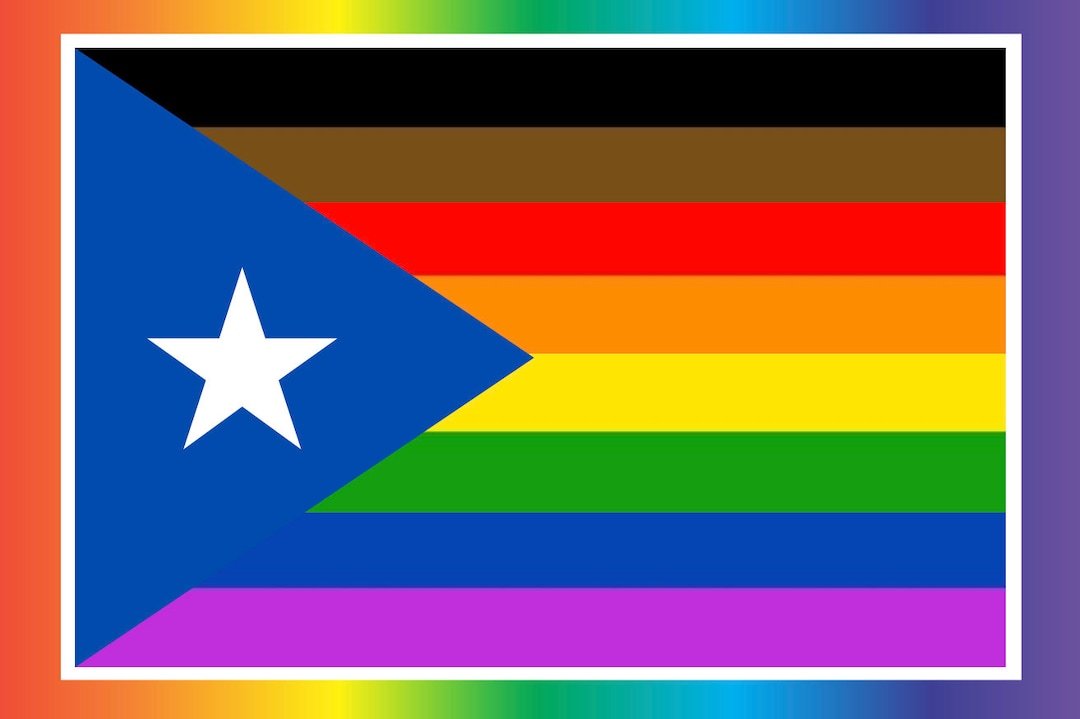
The Puerto Rico flag is a powerful emblem of the island’s culture, history, and enduring spirit. Known for its striking red, white, and blue design, the flag has become a source of pride for Puerto Ricans both on the island and across the world. Whether you see it flying from balconies in Old San Juan, painted on murals in New York City, or carried at parades and protests, the Puerto Rico flag is instantly recognizable and deeply meaningful. In this comprehensive article, we will explore the origins, evolution, symbolism, and significance of the Puerto Rico flag, as well as its role in contemporary Puerto Rican society.
The Origins of the Puerto Rico Flag
The story of the Puerto Rico flag begins in the late 19th century, during a period of intense political upheaval. In 1895, a group of Puerto Rican exiles and revolutionaries living in New York City designed the flag as a symbol of resistance against Spanish colonial rule. The design was inspired by the Cuban flag, reflecting the solidarity between the two Caribbean islands in their struggles for independence.
The flag consists of five horizontal stripes (three red and two white) and a blue triangle at the hoist with a single white star. The original flag was first unveiled on December 22, 1895, at Chimney Hall in Manhattan, marking a pivotal moment in Puerto Rico’s quest for self-determination.
The Evolution of the Flag’s Design
The Puerto Rico flag’s design has undergone subtle changes over the years, particularly in the shade of blue used for the triangle. The original flag featured a light blue triangle, matching the Cuban flag. After the United States acquired Puerto Rico in 1898 following the Spanish-American War, the flag was banned for several decades.
It wasn’t until 1952, when Puerto Rico became a commonwealth, that the flag was officially adopted. At that time, the shade of blue was changed to a darker, navy blue – similar to the American flag. Today, you may see both light and dark blue versions, as Puerto Ricans embrace both as symbols of their heritage and political beliefs.
Symbolism of the Puerto Rico Flag
Every element of the Puerto Rico flag is imbued with symbolism:
- Red Stripes: Represent the blood shed by brave warriors during the fight for freedom.
- White Stripes: Symbolize victory, peace, and the rights of the people.
- Blue Triangle: Stands for the government, or more broadly, the three branches of government (executive, legislative, and judicial).
- White Star: Represents the Commonwealth of Puerto Rico itself, shining brightly with hope and independence.
This potent mixture of colors and symbols encapsulates Puerto Rico’s history of struggle, hope, and unity.
The Flag and Puerto Rican Identity
For Puerto Ricans, the flag is much more than a piece of cloth – it is a declaration of identity. It is proudly displayed during national holidays, sporting events, and cultural festivals. For the Puerto Rican diaspora, especially those living in the United States, the flag is a connection to their roots, a way to celebrate their heritage, and a statement of resilience in the face of adversity.
In times of crisis, such as during Hurricane Maria in 2017, the flag became a symbol of solidarity and hope. Images of the flag waving above devastated homes or being carried in relief efforts became powerful reminders of the island’s strength and unity.
Controversies and Political Significance
The Puerto Rico flag has also been at the center of political controversies. During the years when displaying the flag was banned, it became a symbol of resistance and protest. Today, the shade of blue remains a point of debate, with some favoring the original light blue (as a nod to independence and the original anti-colonial struggle) and others preferring the dark blue (representing the current political status as a U.S. territory).
Activists, artists, and politicians have used the flag to make statements about Puerto Rico’s future – whether advocating for independence, statehood, or enhanced autonomy. The flag’s presence at protests and rallies reflects its enduring role in shaping Puerto Rican identity and aspirations.
The Puerto Rico Flag in Popular Culture
The flag’s bold design has made it a fixture in popular culture. It appears on clothing, jewelry, tattoos, art, and even as creative reinterpretations in street murals. Notably, the flag is a common sight at the Puerto Rican Day Parade in New York City, one of the largest celebrations of Puerto Rican culture in the world.
Puerto Rican musicians, athletes, and public figures often incorporate the flag into their performances and appearances. For example, international stars like Ricky Martin, Bad Bunny, and Daddy Yankee have all showcased the flag as a symbol of pride on the global stage.
How to Display the Puerto Rico Flag Respectfully
Displaying the Puerto Rico flag is a meaningful act, and there is etiquette to be observed:
- The flag should never touch the ground.
- It should be displayed with the star facing up and the triangle at the hoist (left) side.
- During times of mourning, the flag may be flown at half-staff.
- When displayed alongside other flags, the Puerto Rico flag should be given equal respect.
Understanding and observing these traditions shows reverence for the flag’s symbolism and for Puerto Rican culture.
The Flag’s Role in Modern Puerto Rico
Today, the Puerto Rico flag continues to inspire. It is a rallying point for unity during festivals, a symbol of protest during political unrest, and a sign of hope during recovery from natural disasters. The flag’s image is as likely to be seen decorating a humble home as it is projected onto the walls of government buildings.
In recent years, artists and activists have used the flag to raise awareness about social and political issues, from calls for improved infrastructure to the movement for self-determination. The flag’s enduring presence in public life is a testament to its power and relevance.
Conclusion: The Enduring Spirit of the Puerto Rico Flag
The Puerto Rico flag is far more than a national symbol – it is a living, evolving icon of the island’s history, culture, and identity. From its revolutionary origins to its role in contemporary movements, the flag embodies the pride, resilience, and unity of the Puerto Rican people. Whether you are of Puerto Rican heritage or simply appreciate the beauty of its design, understanding the story of the Puerto Rico flag offers a window into the soul of an island and a people whose spirit cannot be contained.
So the next time you see the flag waving proudly, remember the generations of Puerto Ricans who have carried it forward – and the hope it continues to inspire today.