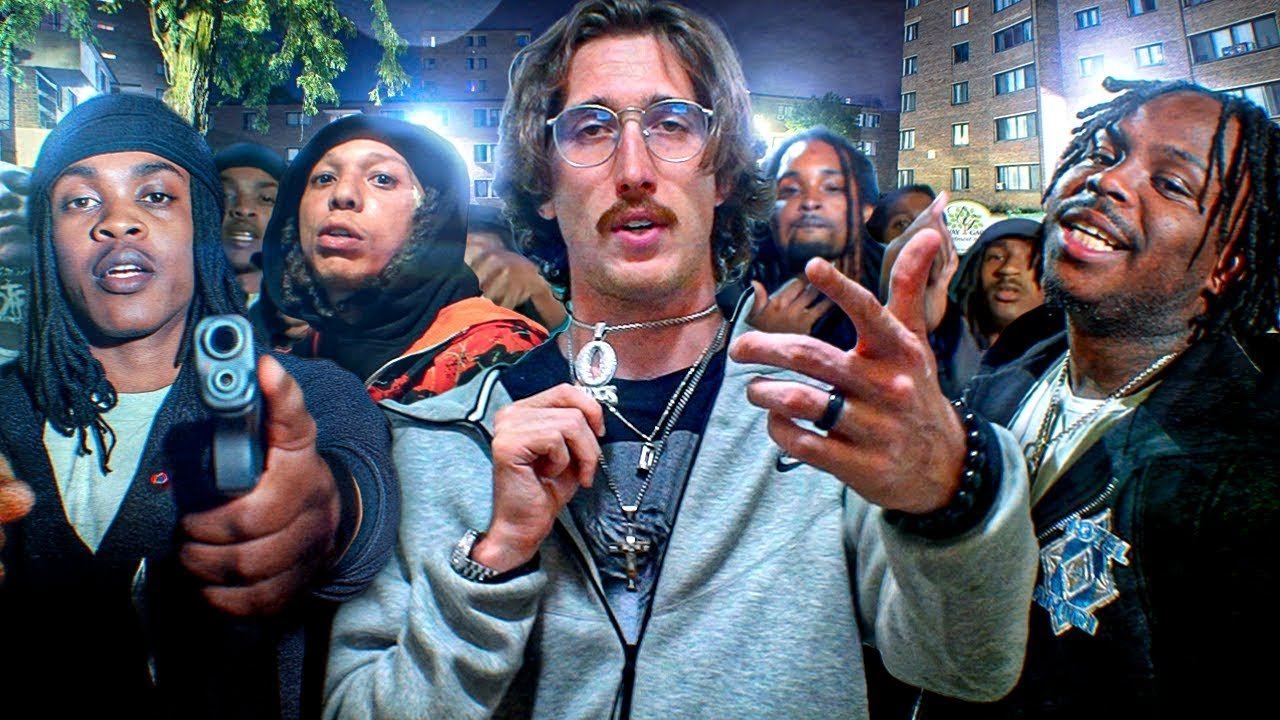
O Block, officially known as Parkway Gardens, is a name that has become synonymous with Chicago’s South Side street culture, hip-hop history, and the challenges faced by many urban American communities. Over the last decade, O Block has gained international notoriety through music, news reports, and social media, often depicted as a symbol of both struggle and resilience. But what is the true story of O Block? In this in-depth article, we’ll explore the origins, daily life, cultural impact, controversies, and the ongoing efforts to change the narrative around this famous block.
1. Where is O Block?
O Block refers to the 6400 block of South Dr. Martin Luther King Jr. Drive in the Parkway Gardens neighborhood of Chicago, Illinois. The area is situated on the city’s South Side in the Greater Grand Crossing community. Parkway Gardens is a large, privately-owned apartment complex that houses hundreds of residents and is bordered by South King Drive, South Calumet Avenue, East 63rd Street, and East 65th Street.
2. The Origins of O Block
The nickname “O Block” was created in honor of Odee Perry, a local resident and aspiring rapper who was shot and killed in 2011. His death, like many others in the area, was linked to ongoing gang conflicts. The block quickly took on the nickname among locals and became a symbol of both loss and local identity.
Parkway Gardens itself has a long history, opening in the 1950s as a model middle-class housing project for African American families during Chicago’s era of segregation. Over the years, disinvestment, poverty, and lack of resources led to increased crime and gang activity. By the 2000s, Parkway Gardens had become one of Chicago’s most challenging neighborhoods.
3. Daily Life and Challenges
For many, O Block is home—a place of family, community, and history. Residents face the same daily struggles as other underserved neighborhoods: lack of economic opportunity, underfunded schools, limited access to healthcare, and exposure to violence.
Despite these challenges, there is a strong sense of community. Local organizations, churches, and activists work tirelessly to provide support, after-school programs, and safe spaces for youth. The story of O Block is not just one of hardship, but also of resilience, creativity, and hope.
4. O Block in Hip-Hop and Popular Culture
O Block rose to national and international recognition in the 2010s, largely through the music of drill rappers such as Chief Keef, Lil Durk, and King Von. These artists, who grew up in or around Parkway Gardens, described their realities through raw lyrics and viral videos.
Chief Keef’s 2012 hit “I Don’t Like” and King Von’s storytelling brought O Block’s environment to the world stage. For many fans, O Block became a symbol of authenticity, but critics argued that the music sometimes glamorized violence and contributed to negative stereotypes about Chicago’s Black communities.
5. Violence, Media, and Controversy
O Block has often been labeled by the media as one of Chicago’s most dangerous areas, with frequent reports of shootings and gang activity. The block has a history of conflict between rival gangs, particularly the Black Disciples (who dominate O Block) and their rivals, the Gangster Disciples, among others.
This violence is part of a complex web of historical and systemic issues, including segregation, poverty, and lack of investment. While the headlines focus on crime, many residents and advocates point out that this one-sided narrative neglects the root causes and the positive efforts happening in the community.
6. Community Resilience and Hope
Despite its reputation, O Block is home to countless individuals striving for better futures. Community leaders and nonprofits have implemented programs for youth mentorship, job training, mental health support, and recreational activities.
Events like block parties, back-to-school drives, and neighborhood clean-ups showcase the pride and togetherness of Parkway Gardens’ residents. Organizations such as the Inner-City Muslim Action Network (IMAN) and the Chicago CRED program partner with locals to reduce violence and promote opportunity.
7. The Role of Social Media
Social media has played a defining role in shaping O Block’s image. Viral videos, music clips, and even live streams have put the neighborhood in the global spotlight. While this has helped bring attention to the struggles faced by residents, it has also fueled sensationalism and sometimes even escalated rivalries.
At the same time, social platforms provide a voice for those who want to counter negative stereotypes and share the real stories of community, perseverance, and progress.
8. Changing the Narrative
Residents and activists are working to shift the conversation about O Block. Efforts include:
- Promoting success stories of young people who have overcome adversity
- Highlighting local entrepreneurship and creative projects
- Advocating for increased investment in schools, healthcare, and infrastructure
- Building alliances with city officials to address root causes of violence
Documentaries, news features, and grassroots campaigns are giving residents a greater platform to tell their own stories and demand change.
9. O Block’s Influence Beyond Chicago
O Block’s fame has reached far beyond Chicago, influencing fashion, slang, and even politics. The neighborhood has become a symbol in debates about policing, gun laws, and social justice. It has inspired art, literature, and academic studies on urban life in America.
At the same time, O Block’s challenges mirror those of other urban centers grappling with inequality, making it a case study for policymakers and activists nationwide.
10. Looking to the Future
The future of O Block, like many urban neighborhoods, depends on a combination of community action and systemic change. Solutions must address poverty, education, economic opportunity, and public safety—requiring collaboration from all levels of government, as well as private investment and grassroots leadership.
Conclusion
O Block is more than a headline or a lyric—it is a living, breathing community with a rich history and a complex present. Its story is one of hardship, but also of hope, culture, and relentless effort to create change. For residents, O Block is home. For the world, it’s a reminder of the challenges and potential of America’s urban neighborhoods. Understanding O Block means looking beyond the stereotypes and seeing the people, stories, and resilience that define this famous Chicago block.