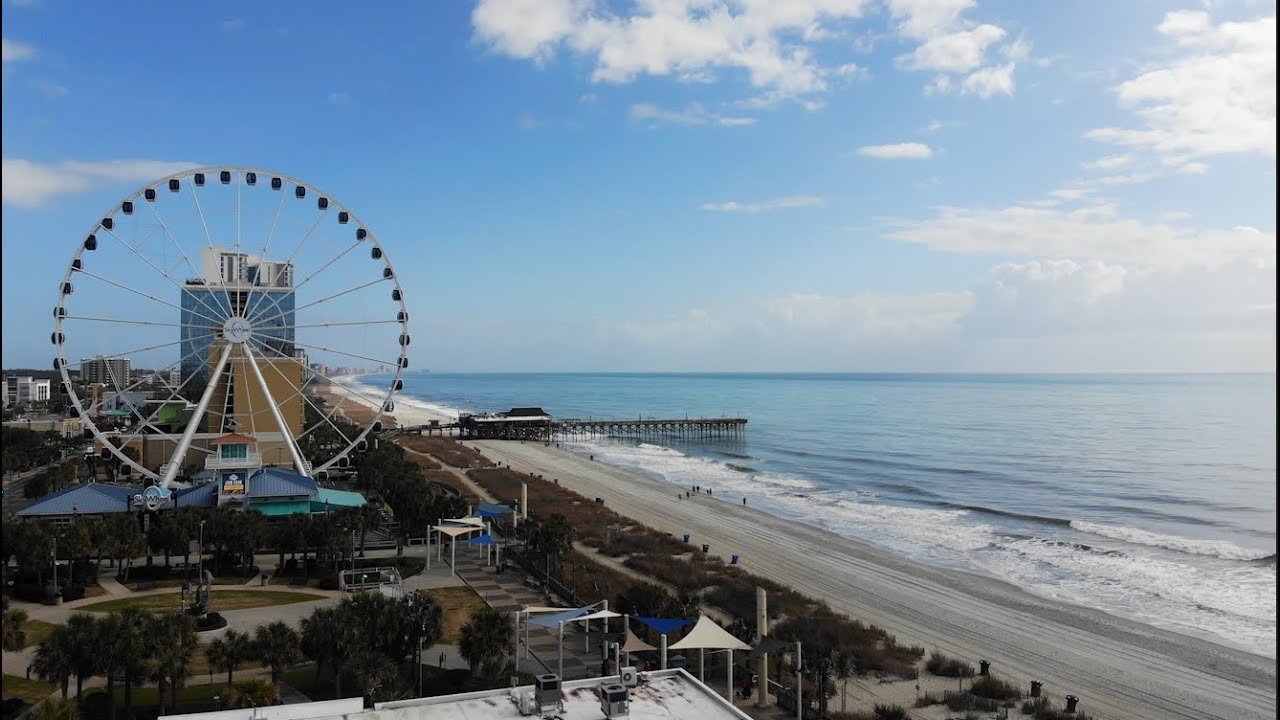
Myrtle Beach, located on South Carolina’s Atlantic coast, is renowned for its stunning beaches, vibrant boardwalk, and family-friendly attractions. However, for travelers and residents alike, understanding Myrtle Beach weather is crucial for planning vacations, outdoor activities, and everyday life. In this comprehensive guide, we’ll explore the climate, seasonal changes, and tips for making the most of every forecast in Myrtle Beach.
Myrtle Beach Climate Overview
Myrtle Beach enjoys a humid subtropical climate, marked by hot, humid summers and mild winters. The city’s coastal location gives it a unique weather profile compared to inland South Carolina, with moderating sea breezes and a longer beach-going season. Let’s break down what you can expect each season—and even month by month—when it comes to Myrtle Beach weather.
Spring (March–May): A Blooming Coastal Paradise
Spring is one of the most popular times to visit Myrtle Beach. Temperatures in March typically range from the upper 50s to low 70s Fahrenheit (15–22°C), steadily climbing by May to the upper 70s and low 80s (25–28°C). Humidity is moderate, and the Atlantic Ocean begins to warm, although it usually remains a bit brisk until late spring.
Rainfall is moderate, with passing showers that rarely last all day. Springtime sees the return of festivals, golf tournaments, and outdoor events, making it a lively and colorful season. Allergies may spike as flowers bloom, but the overall weather is pleasant and ideal for exploring the Grand Strand.
Summer (June–August): Sun, Sand, and Surf
Summer is peak season in Myrtle Beach, and for good reason. Daily highs in June, July, and August often soar into the upper 80s and low 90s (30–34°C), with nighttime temperatures offering little relief, frequently staying in the 70s (21–25°C). Humidity is high, making the air feel even warmer, but the ocean breeze offers some respite.
Thunderstorms are common in the afternoons, typically short-lived but sometimes intense. Hurricane season officially runs from June 1 to November 30, with the highest risk of tropical storms in late summer and early fall. Despite the heat, the beaches are packed, water parks are bustling, and nightlife is in full swing. Sunscreen, hydration, and lightweight clothing are musts for enjoying Myrtle Beach weather in summer.
Fall (September–November): Mild and Magical
Autumn in Myrtle Beach is a hidden gem. September retains some summer warmth, with highs in the 80s (27–30°C), but by November, temperatures drop to the 60s (16–20°C). Humidity eases, and rainfall decreases. Ocean water remains warm enough for swimming through September and sometimes into early October.
Crowds thin out after Labor Day, making fall an excellent time for quieter vacations, golf, and festivals like Oktoberfest. Crisp evenings and sunny days provide perfect conditions for outdoor dining and beach walks. Hurricane threats diminish later in the season, and fall foliage adds a touch of color to the area’s parks and gardens.
Winter (December–February): Mild Temperatures and Fewer Crowds
Winter in Myrtle Beach is far from harsh. Daytime highs typically reach the upper 50s and 60s (14–19°C), while nighttime temperatures can dip into the 30s and 40s (1–8°C). Snow is extremely rare, but occasional frost can occur. Rainfall is spread evenly throughout the winter months, but severe weather is uncommon.
Winter is considered the off-season, so the beaches and attractions are less crowded. This is an ideal time for peaceful getaways, golf without the wait, and exploring the area’s restaurants and shops. While swimming in the ocean is less appealing, shell hunting, fishing, and birdwatching are popular winter activities.
Hurricane Season: What You Need to Know
Myrtle Beach is vulnerable to tropical storms and hurricanes, especially from August to October. While a direct hit is rare, the area can experience heavy rain, strong winds, and coastal flooding from passing storms. Local authorities issue warnings and evacuation orders as needed, and hotels are well-versed in emergency procedures. Travelers during hurricane season should monitor forecasts and consider travel insurance.
Monthly Weather Snapshot
- January: Cool, with highs in the upper 50s (14°C) and lows in the upper 30s (3°C). Occasional rain and rare frost.
- February: Slightly warmer; early signs of spring appear.
- March: Highs reach the mid-60s (18°C); spring break crowds begin to arrive.
- April: Highs in the 70s (21–24°C); ocean starts to warm.
- May: Highs in the upper 70s to low 80s (25–28°C); beach season begins.
- June–August: Hot, humid, and busy; highs in the upper 80s to low 90s (30–34°C).
- September: Warm, with highs in the 80s (27–30°C); hurricane risk peaks.
- October: Highs in the 70s (21–24°C); less rain, pleasant evenings.
- November: Highs in the 60s (16–20°C); off-season begins.
- December: Cool, mild, and peaceful; highs in the upper 50s (14–15°C).
Tips for Enjoying Myrtle Beach Weather
- Pack for the Season: Lightweight clothing and sunscreen for summer, layers and a light jacket for winter.
- Stay Hydrated: Summer humidity can be intense. Drink plenty of water, especially if you’re active outdoors.
- Watch the Forecast: Afternoon thunderstorms develop quickly in summer. Check local weather before heading out.
- Plan Around Hurricanes: If visiting during hurricane season, stay informed about potential storms and have a backup plan.
- Embrace the Off-Season: Winter and fall offer mild weather, lower rates, and a more relaxed atmosphere.
The Best Time to Visit Myrtle Beach
The best time to visit depends on your priorities. Spring and early fall are perfect for pleasant weather and fewer crowds, while summer delivers peak beach excitement. Winter is ideal for those seeking tranquility and bargains. No matter when you visit, Myrtle Beach weather offers something for everyone.
Conclusion: Embracing Coastal Carolina’s Climate
Myrtle Beach weather is a defining aspect of the area’s allure. With four distinct yet moderate seasons, the city offers year-round opportunities for relaxation, adventure, and unforgettable experiences. Whether you’re basking in the summer sun, enjoying autumn’s mild magic, or savoring a quiet winter escape, understanding Myrtle Beach’s climate helps you make the most of every moment on South Carolina’s beautiful coast.