Across the sun-drenched lands of the Mediterranean and the Middle East, the aroma of sweet syrup and buttery pastry wafts through bustling bakeries and family kitchens alike. Among the region’s most beloved delicacies is kataifi—a unique pastry distinguished by its shredded, hair-like dough and its starring role in both sweet and savory dishes. Revered for its delicate texture, versatility, and cultural significance, kataifi has woven its golden threads through centuries of culinary history. This article explores the origins, preparation, varieties, and enduring appeal of kataifi, alongside its place in regional celebrations and modern gastronomy.
What is Kataifi?
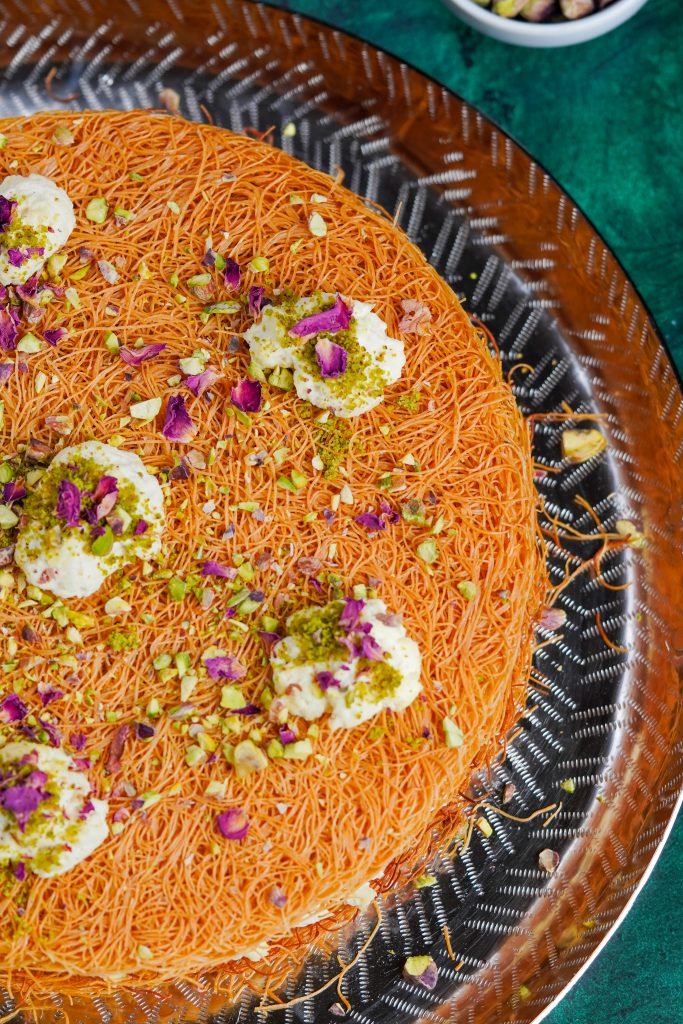
Kataifi (sometimes spelled kadaif, kunafa, or kadaifi, depending on the region) is a type of pastry made from special dough that’s shredded into fine, vermicelli-like strands. While it resembles shredded wheat in appearance, kataifi dough is made from a simple mixture of flour and water, which is poured in thin streams onto a hot surface, creating long, delicate threads. These are then gathered and used as the base for a variety of desserts and, occasionally, savory dishes.
In Greek, Turkish, and many Arab cuisines, kataifi is most commonly associated with desserts layered or filled with nuts, baked to crispy perfection, and soaked in fragrant sugar or honey syrup. Its texture offers a delightful contrast to the soft, rich fillings and sticky sweetness, making it a favorite at festive tables.
Origins and Cultural Heritage
The history of kataifi stretches back hundreds of years and is closely intertwined with the shared culinary traditions of the Ottoman Empire, which once spanned parts of Southeast Europe, Western Asia, and North Africa. The earliest forms of kataifi and its relatives can be traced to Arab and Persian kitchens, where shredded pastry was used in layered desserts for royalty and special occasions.
As the empire’s influence spread, so too did its foodways. Kataifi became a cherished part of Greek, Turkish, Lebanese, Egyptian, and Balkan cuisines, each adopting its own twist on the pastry. Today, kataifi is as likely to be found in a bustling Istanbul patisserie as in a Greek island bakery or a Levantine family’s Ramadan feast.
How Kataifi Dough is Made
Traditional kataifi dough is made from just flour and water, sometimes with a touch of cornstarch or oil for pliability. The magic lies in the preparation. The batter is poured through a fine nozzle or onto a rotating hot griddle, forming thin, continuous threads that cook instantly. These strands are carefully lifted and formed into nests or sheets, ready to be filled or layered.
While making kataifi dough from scratch is an art mastered by only a few, ready-made kataifi pastry is widely available in Mediterranean and Middle Eastern grocery stores worldwide. This convenience has allowed home cooks to recreate traditional recipes and experiment with new ones.
Classic Kataifi Desserts
-
Greek Kataifi Pastry
- In Greece, kataifi is most often associated with a syrup-drenched dessert. The pastry is filled with a mixture of walnuts, almonds, and cinnamon, rolled into logs or nests, and baked until golden. Once out of the oven, it’s soaked in a syrup flavored with honey, lemon, and sometimes a splash of brandy or orange blossom water. The result is a sweet, crunchy, and aromatic treat that is especially popular during holidays like Easter and Christmas.
-
Turkish Kadayıf
- Turkish kadayıf is similar, but with regional variations in nuts (often pistachios or hazelnuts) and syrup ingredients. In Turkey, kadayıf is a staple during Ramadan, served alongside other sweets like baklava and güllaç.
-
Kunafa/Knafeh
- In the Levant, the word “kunafa” refers to a broad range of desserts using kataifi dough. The most famous is knafeh nabulsieh, in which kataifi pastry is layered with a sweet cheese (like akkawi or nabulsi), baked, and doused in orange blossom syrup. The contrast of gooey cheese and crisp pastry has made knafeh a beloved treat across Palestine, Jordan, Lebanon, Egypt, and beyond.
Savory Uses of Kataifi
Though kataifi is best known for its sweet incarnations, its neutral flavor and crisp texture make it an excellent wrapping for savory fillings. Chefs have embraced kataifi as a creative element in modern cuisine:
- Kataifi Prawns: Large prawns or shrimp are wrapped in kataifi pastry and deep-fried, resulting in a stunning appetizer with a golden, crunchy exterior and tender seafood within.
- Cheese or Vegetable Rolls: Kataifi can be filled with feta, spinach, or seasoned meats and baked for a mezze platter.
- Gourmet Garnish: Finely shredded kataifi is used as a crispy topping for soups, salads, or even main courses in upscale restaurants.
Kataifi in Celebrations and Rituals
Desserts made with kataifi are inextricably linked to celebration and hospitality. In many cultures, they are served during religious festivals (Ramadan, Easter, Christmas), weddings, and family gatherings. Sharing kataifi is a way to honor guests and mark special occasions, a testament to the pastry’s role in cultural identity.
Traditionally, making kataifi-based desserts is a communal affair—grandmothers rolling pastry with grandchildren, neighbors exchanging plates after prayers, and bakers preparing elaborate trays for feasts.
Tips for Working with Kataifi Dough
- Thaw Carefully: If using frozen kataifi, thaw it overnight in the refrigerator, keeping it covered to prevent drying out.
- Handle Gently: Kataifi dries quickly, so always work with small portions and cover the rest with a damp cloth.
- Butter or Oil Generously: To achieve the signature crispness, brush each layer thoroughly with melted butter or clarified butter (ghee).
- Experiment with Flavors: While nuts and cinnamon are traditional, try adding citrus zest, cardamom, or even chocolate for a modern twist.
Kataifi in Modern Gastronomy
In recent years, kataifi has inspired chefs around the world to push creative boundaries. Its unique texture and appearance make it a favorite in fusion cuisine. Examples include:
- Mini Kataifi Nests: Used as edible cups for mousses, creams, or fruit compotes at weddings and upscale events.
- Kataifi-Wrapped Cheese: Goat cheese or brie wrapped in kataifi and baked for an elegant appetizer.
- Dessert Innovations: Pastry chefs turn kataifi into tart bases, layered cakes, or combine it with unlikely ingredients like espresso, matcha, or tropical fruits.
These innovations keep kataifi relevant in a world hungry for both tradition and novelty.
Nutritional Aspects
Kataifi is rich in carbohydrates due to its wheat base and is often high in fat and sugar when prepared in traditional desserts. However, it is also a source of energy, and when filled with nuts, provides healthy fats and proteins. Moderation is key, as with most pastries, but the joy and sense of occasion it brings are also important ingredients.
Conclusion
Kataifi’s golden threads connect not only the flavors of the Mediterranean and the Middle East but also generations of cooks, families, and communities. Its versatility, crispiness, and ability to absorb the essence of its fillings and syrups have made it a beloved staple from ancient palaces to modern kitchens. Whether savored as a syrupy dessert at a Greek Easter table, enjoyed as knafeh in a Levantine bakery, or reinvented in a cutting-edge restaurant, kataifi continues to enchant and inspire.