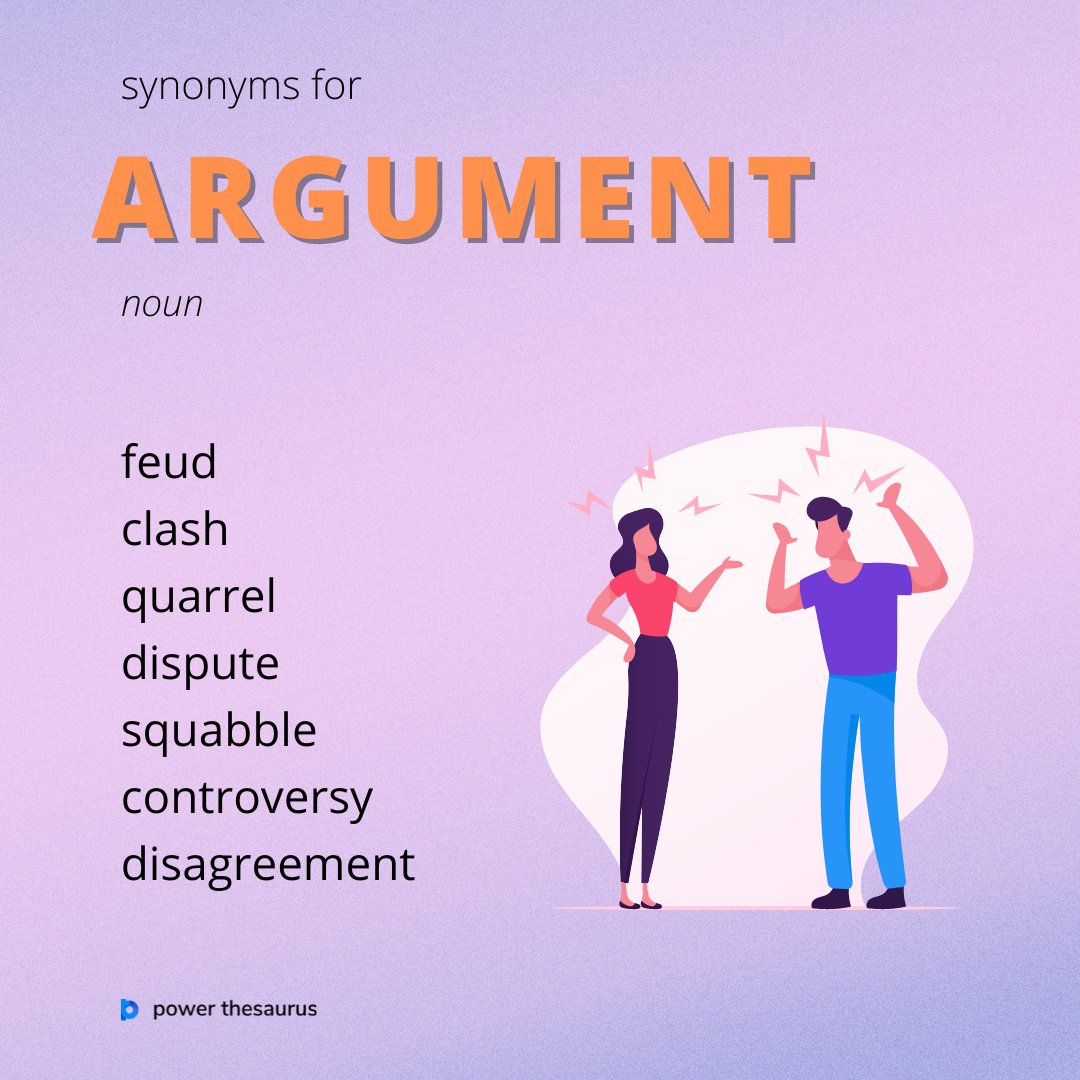
Language is a powerful tool, not only for communication but also for framing thought, shaping public discourse, and influencing opinion. The word “controversial” is frequently used in media, politics, academic discussions, and everyday conversation to describe issues, people, or decisions that provoke strong and opposing reactions. However, the English language offers a wide array of synonyms for “controversial,” each carrying its own shade of meaning and nuance. This article explores the landscape of controversial synonyms, examines their usage and implications, and offers practical advice for navigating discussions involving contentious topics.
What Does “Controversial” Mean?
Before diving into synonyms, it’s important to understand what “controversial” signifies. A topic, idea, or action is considered controversial when it sparks disagreement, debate, or public dispute. Controversial subjects are often marked by passionate arguments on all sides and can evoke strong emotions. Examples include political reforms, scientific breakthroughs, cultural practices, or celebrity actions that divide public opinion.
Common Synonyms for “Controversial”
The English language is rich with words that can be substituted for “controversial,” each with its own connotation. Some of the most commonly used synonyms include:
- Contentious: Suggests active disagreement and a tendency to provoke argument.
- Debatable: Implies that something is open to discussion or question.
- Disputed: Refers to something that is challenged or not universally accepted.
- Polarizing: Highlights the way an issue divides people into opposing camps.
- Divisive: Suggests an issue that separates groups or creates discord.
- Hot-button: Refers to topics that trigger strong emotional reactions.
- Explosive: Implies a subject that can quickly ignite passionate or volatile responses.
- Touchy: Describes a subject that people are sensitive about or easily offended by.
- Provocative: Indicates something intended to elicit strong reactions or challenge norms.
- Arguable: Suggests that something can be reasonably debated or challenged.
Nuances and Differences: Choosing the Right Synonym
Although these words can often be used interchangeably, each carries distinct nuances. For instance, “contentious” emphasizes the likelihood of argument, while “debatable” suggests uncertainty or the potential for discussion. “Divisive” and “polarizing” both highlight the ability of a topic to split opinions, but “divisive” often carries a more negative connotation, implying harm to unity. “Provocative” may suggest intentional stirring of controversy, whereas “touchy” underscores sensitivity.
Selecting the best synonym depends on the context and the message you intend to convey. For example, calling a policy “divisive” might criticize its effects on unity, while describing it as “debatable” could frame it as open for reasoned discussion.
Controversial Synonyms in Media and Public Discourse
The words chosen to describe issues can shape public perception and influence debate. Media headlines, for example, may label a new law as “explosive” to highlight its dramatic impact, or as “contentious” to underscore ongoing disputes. Politicians might refer to a budget proposal as “debatable” to invite discussion, or as “polarizing” to rally their base against opponents.
These choices are not merely stylistic; they can frame narratives and affect how audiences interpret events. Understanding these subtleties helps readers and listeners critically evaluate the information presented to them.
Examples in Action
Let’s examine how these synonyms work in real-world situations:
- A new government policy on immigration is described as “divisive,” highlighting the way it separates public opinion.
- A scientific discovery is called “debatable” in academic circles, implying uncertainty or need for further evidence.
- A celebrity’s remarks are labeled “provocative” in the media, suggesting they were meant to stir controversy.
- A school curriculum change is referred to as “contentious” at a community meeting, pointing to heated disagreement.
The Power of Framing: Why Word Choice Matters
Choosing a synonym for “controversial” is more than a matter of vocabulary; it’s about shaping the conversation. Words like “explosive” or “hot-button” can heighten emotions and draw attention, while “arguable” or “debatable” may encourage rational discourse. Being deliberate and thoughtful in word choice promotes clarity, fairness, and constructive dialogue.
How to Navigate Contentious Discussions
Whether you’re a writer, speaker, or simply engaging in conversation, the following tips can help when addressing contentious (or controversial) topics:
- Be precise: Choose the synonym that best matches the nature of the issue and the tone you wish to set.
- Recognize impact: Understand how your word choice might influence your audience’s perceptions and emotions.
- Promote understanding: Use words that encourage open dialogue rather than inflame divisions.
- Context matters: Consider the setting, audience, and purpose of the discussion when selecting language.
- Aim for balance: Acknowledge multiple perspectives to foster more inclusive conversations.
Controversial Synonyms and Social Media
In the digital age, social media amplifies the spread and impact of contentious subjects. Hashtags, viral posts, and trending topics often rely on provocative language to attract attention. While this can raise awareness, it can also escalate conflicts or polarize communities. Being mindful of language choices is especially important in these fast-moving, public forums.
Controversy and Constructive Change
While controversy is often seen as negative, it can also drive progress and innovation. Contentious debates have led to social reforms, scientific advancements, and cultural shifts. The language used to describe these moments—whether “disputed,” “explosive,” or “transformative”—shapes how they are remembered and understood.
Conclusion
Understanding the many synonyms for “controversial” provides not only a richer vocabulary but also greater insight into how language frames our views and debates. By being mindful of word choice and its impact, individuals can foster more thoughtful, balanced, and productive conversations about the issues that matter most. In a world where disagreement is inevitable, choosing our words wisely is the first step toward understanding—and resolving—our most pressing challenges.