Abdul haye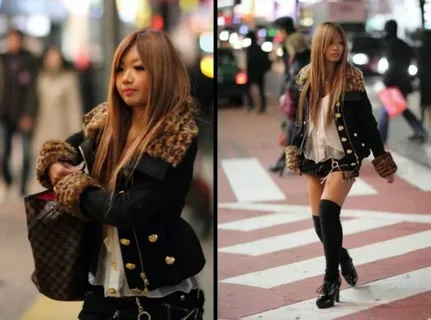
Japanese street fashion has always been known for pushing boundaries, but few trends have made as big of a statement as gyaru fashion. With its bold makeup, glamorous hairstyles, and fearless outfits, gyaru emerged as a powerful counterculture in the 1990s and continues to inspire fashion lovers around the world today.
In this article, we’ll explore the roots of gyaru, its different substyles, its evolution, and how you can embrace gyaru fashion in your own wardrobe today.
Introduction to Gyaru Fashion
What is Gyaru Fashion?
The word gyaru comes from the English word “gal” and was first used in Japan in the 1970s as part of a jeans advertising campaign. However, by the late 1980s and early 1990s, gyaru had evolved into a full-blown fashion movement.
At its core, gyaru fashion is about rebellion against traditional Japanese beauty standards, which often emphasized pale skin, natural makeup, and modest clothing. Instead, gyaru girls embraced tanning, heavy makeup, dramatic false lashes, bleached or dyed hair, and flashy clothing.
Origins and Early History in Japan
The style began in Tokyo, particularly in the Shibuya and Shinjuku districts, where young women gathered to show off their daring looks. Magazines like egg and Popteen helped spread gyaru culture, making it a mainstream phenomenon in the late ’90s and early 2000s.
Key Characteristics of Gyaru Fashion
Hair and Makeup Trends
-
Bleached blonde, light brown, or colorful dyed hair
-
Big curls, teased hair, or dramatic updos
-
Smoky eye makeup, bold eyeliner, and thick false eyelashes
-
Dark tans (especially in ganguro style)
-
Glossy, pale lips or nude shades
Clothing and Accessories
-
Platform shoes and boots
-
Mini skirts, denim, and flashy prints
-
Statement jewelry (big hoops, layered necklaces)
-
Designer bags and bold accessories
Attitude and Lifestyle
Gyaru isn’t just fashion—it’s a lifestyle. It’s about confidence, fun, and enjoying youth to the fullest. The gyaru motto could easily be: “Be bold, be glamorous, and stand out.”
Popular Substyles of Gyaru Fashion
Kogal (Schoolgirl-Inspired)
Kogal girls wore shortened school uniforms, loose socks, dyed hair, and heavy makeup. This was one of the first gyaru substyles to gain mainstream attention.
Ganguro (Extreme Tan and Bright Makeup)
Ganguro girls stood out with deep tans, white eyeliner, neon outfits, and platform boots. It was one of the most rebellious substyles.
Hime Gyaru (Princess Style)
A luxurious version of gyaru, hime gyaru features big curled hair, tiaras, frilly dresses, and a princess-like aesthetic.
Onee Gyaru (Elegant and Mature)
Onee gyaru evolved as the community grew older, focusing on elegant, sophisticated fashion while keeping gyaru glamour alive.
Agejo Gyaru (Club and Party Look)
This substyle emphasized sexy dresses, bold makeup, and nightlife-inspired fashion. Agejo gyaru were often seen as the queens of Tokyo’s club scene.
Evolution of Gyaru Fashion Over the Decades
The 1990s Boom
The gyaru movement exploded in the 1990s with kogal and ganguro styles. Magazines and Shibuya’s 109 department store became hubs for gyaru culture.
The 2000s Peak and Global Spread
By the 2000s, gyaru was everywhere in Japanese pop culture. International fans began adopting the style, spreading it through online forums and social media.
The 2010s and Beyond
Gyaru declined in mainstream popularity, but loyal communities worldwide kept the culture alive. Recently, gyaru is experiencing a resurgence on TikTok and Instagram, where fashion enthusiasts mix old-school gyaru with modern trends.
Gyaru Fashion Icons and Influencers
Early Pioneers in Japan
-
Tsubasa Masuwaka – one of the most famous gyaru models
-
Ayumi Hamasaki – J-pop star who embodied gyaru aesthetics
Modern Social Media Influencers
Today, Instagram and TikTok creators are reviving gyaru looks, sharing tutorials, and inspiring global audiences.
Gyaru Fashion Around the World
Western Adaptations
Western fans often adapt gyaru fashion with local trends—mixing gyaru makeup with modern streetwear or festival fashion.
Cultural Impact Outside Japan
Gyaru has inspired beauty influencers, cosplay communities, and even mainstream fashion designers.
How to Dress in Gyaru Fashion Today
Essential Clothing Pieces
-
Platform heels or boots
-
Bodycon dresses and denim skirts
-
Crop tops, blazers, and flashy outerwear
Makeup and Hairstyle Tutorials
-
Smoky eye with false lashes
-
Nude or glossy lips
-
Big curls or teased hairstyles
Shopping Tips for Beginners
-
Look for Japanese gyaru brands like Liz Lisa, MA*RS, and Egoist
-
Check secondhand shops and online communities for rare gyaru items
Future of Gyaru Fashion
Is It Making a Comeback?
Yes! With TikTok and Instagram trends, gyaru fashion is seeing a revival among Gen Z and Millennials who love nostalgic 2000s aesthetics.
Fusion with Modern Streetwear
Modern gyaru often mixes with Y2K fashion, Korean beauty trends, and global streetwear, creating a fresh new take on the style.
FAQs about Gyaru Fashion
Q1. Is gyaru fashion still popular in Japan?
Yes, while it’s less mainstream than in the 2000s, gyaru fashion still thrives in niche communities and online.
Q2. Can foreigners dress in gyaru fashion?
Absolutely! Gyaru is about attitude and confidence—it welcomes anyone who wants to embrace the style.
Q3. What’s the difference between gyaru and kogal?
Kogal is a substyle of gyaru inspired by school uniforms, while gyaru is the broader fashion culture.
Q4. Where can I buy gyaru clothes today?
Japanese fashion sites, secondhand shops, and global online stores like Mercari and Depop are great places to start.
Q5. Do gyaru always have tanned skin?
Not necessarily. While ganguro and early gyaru emphasized tanning, modern gyaru includes many variations with lighter skin.
Q6. Is gyaru fashion the same as Harajuku fashion?
No—Harajuku is an umbrella term for multiple styles, while gyaru is a distinct subculture with specific traits.
Conclusion
Gyaru fashion is more than just clothes—it’s a movement that celebrates boldness, individuality, and rebellion. From its Shibuya origins to its global influence today, gyaru continues to inspire fashion lovers who aren’t afraid to stand out.
If you want to add some gyaru flair to your wardrobe, remember the golden rule: be fearless, be fabulous, and always express yourself.