Abdul haye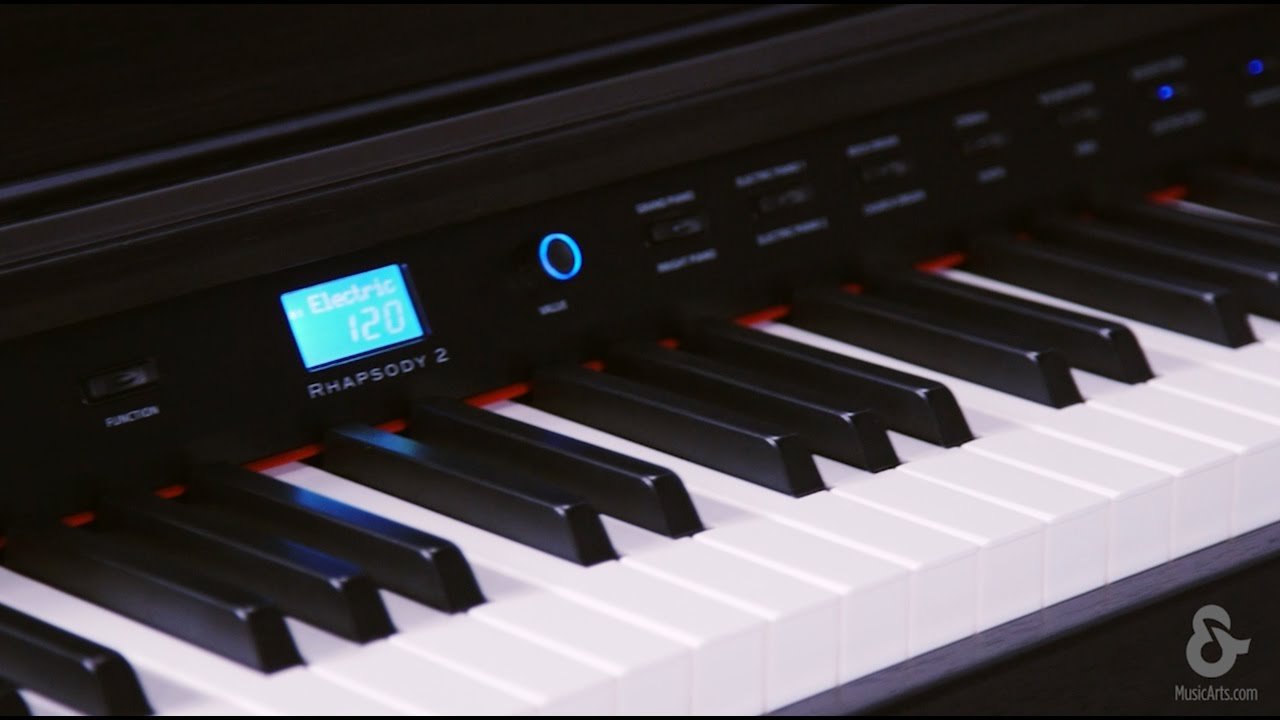
When it comes to finding the right digital piano that balances elegance, affordability, and realistic playability, the Williams Rhapsody 2 consistently appears near the top of the conversation. Designed for home and studio use, this 88-key console digital piano has attracted attention from beginners, casual players, and even intermediate musicians looking for a stylish instrument that does not break the bank. But is it truly worth your investment? This comprehensive guide covers everything you need to know about the Williams Rhapsody 2 — from its key features and sound quality to its limitations and how it compares to the competition.
What Is the Williams Rhapsody 2?
The Williams Rhapsody 2 is a full-sized console digital piano produced by Williams Pianos, a brand known for offering quality instruments at competitive price points. It is the second generation of the original Williams Rhapsody, featuring an updated design and an improved weighted keybed that provides a higher standard of realistic response and feel.
From afar, the Williams Rhapsody 2 digital piano looks a great deal like a concert piano. Its elegant PVC wood-like finish — available in a dark, polished ebony-style aesthetic — gives it a sophisticated appearance that can complement virtually any home décor or studio environment. Unlike many budget digital pianos that look and feel like toys, the Rhapsody 2 carries itself with a visual confidence that belies its price range.
Key Specifications at a Glance
Before diving deeper, here is a quick overview of the core specifications:
- Keys: 88 fully weighted, velocity-sensitive hammer-action keys
- Sounds/Voices: 12 custom high-definition sounds
- Polyphony: 64 voices
- Pedals: Sustain and Sostenuto pedals included
- Connectivity: USB MIDI port, stereo output (1/4″ jacks), headphone output
- Recorder: Built-in 2-track recorder
- Demo Songs: 12 built-in demo songs
- Additional Features: Split/Layer, Transpose, Metronome, Modulation/FX control
- Included Software: 3-month Skoove Premium trial (400+ interactive piano lessons)
- App Support: Free Williams iOS app for menu functions and sound editing
Sound Quality: 12 Custom Voices Built From a Grand Piano
The Williams Rhapsody 2 is built around 12 custom sounds crafted from a world-renowned grand piano, vintage electric pianos, organs, strings, synths, and more. The complete voice collection includes a Grand Piano, Electric Piano 1 and 2, Church Organ, Rock Organ, Strings, Vibraphone, Classical Guitar, Upright Bass, Electric Bass, Synth Pad, and Vibes — giving players a reasonable variety of tones to explore.
Modulation and FX control provides realistic rotary and vibrato effects on select instruments, adding an extra layer of expressiveness to organ and electric piano sounds in particular. The stereo speaker system delivers an immersive sound experience suitable for home practice and casual performance.
However, it is important to set expectations appropriately. While the sound quality is decent and often surprisingly good for the price, the Rhapsody 2 does not match the tonal richness of instruments from Yamaha or Roland in the same or slightly higher price bracket. The bass range performs well, but some reviewers have noted inconsistency in tone quality across the full range of the keyboard — particularly in the upper registers. If pure tonal realism is your top priority, stepping up to a higher-budget instrument may be worth considering.
Key Action: Weighted Hammer Action Feel
One of the Rhapsody 2’s strongest selling points is its key action. The piano features 88 fully weighted, velocity-sensitive hammer-action keys, which provide a playing feel that comes much closer to replicating a real grand acoustic piano than standard unweighted keyboards. For beginners and intermediate players learning proper technique, this is a significant advantage.
The new and improved weighted keybed in the Rhapsody 2 represents a step up from the original model, offering a higher standard of realistic response. Players transitioning from acoustic pianos will find the feel familiar and comfortable. The key action has been widely praised by reviewers as one of the areas where the Rhapsody 2 genuinely punches above its weight class compared to other instruments in its price range.
That said, some more critical reviewers have noted that the velocity sensitivity — the piano’s ability to respond to how hard or softly you press a key — is not as nuanced as on higher-end instruments. Playing very softly requires care, as the sound can be triggered earlier in the key press than on premium digital pianos. For serious students focused on developing expressive technique and dynamic control, this is a limitation worth being aware of.
Design and Build Quality
The Rhapsody 2 features a full-sized console stand that is both attractive and utilitarian, giving it the appearance of a traditional upright piano. The black finish looks elegant, and the size and weight of the piano make it manageable to set up in a home environment without requiring a large dedicated space.
The intuitive control panel features an easy-to-read blue LCD display, keeping the interface clean and accessible for players of all experience levels. The piano does not come with a key cover to protect against dust and debris — a minor omission that some users have flagged — and no bench is included, so that will be an additional purchase for most buyers.
Connectivity and Recording Features
For a piano in its price range, the Williams Rhapsody 2 offers a solid set of connectivity options. The USB MIDI port allows the piano to connect directly to a computer or iPad, enabling seamless integration with popular DAWs (Digital Audio Workstations) like Logic Pro X and Ableton. Reviewers have noted that the piano is recognized instantly by most recording software without requiring additional configuration — a welcome convenience for home producers and students.
The built-in 2-track recorder allows players to capture their performances directly on the instrument, making it easy to review practice sessions or get quick musical ideas down before they are forgotten. Separate headphone and stereo output jacks provide flexibility for private practice or connecting to external speakers and monitors.
Learning Tools: Skoove Premium and the Williams iOS App
One of the Rhapsody 2’s most appealing additions for new players is the included 3-month Skoove Premium trial, which gives access to over 400 interactive piano lessons. This interactive software follows your keyboard in real time and slowly builds playing and music-reading skills through a structured curriculum. Lessons are organized into three difficulty sections — Etudes, Medium, and Advanced — making it suitable for complete beginners right through to more experienced players working on classical repertoire.
The free Williams iOS app provides easy access to menu functions and sound editing directly from a smartphone or tablet, adding a modern layer of convenience that makes navigating the piano’s features more intuitive.
Pros and Cons Summary
Pros:
- Elegant console design that looks great in any home
- 88 fully weighted hammer-action keys for realistic playability
- Competitive price point for a full-sized console digital piano
- USB MIDI connectivity for DAW integration
- Includes Skoove Premium trial for structured learning
- Built-in 2-track recorder and split/layer functionality
Cons:
- Only 12 voices — limited compared to competitors at similar price points
- Velocity sensitivity is less nuanced than higher-end instruments
- Only 2 pedals included (no sostenuto expression pedal)
- Sound quality, while decent, falls short of Yamaha or Roland at similar prices
- No key cover included to protect the keys
How Does It Compare to the Competition?
The Williams Rhapsody 2 sits in a competitive segment of the digital piano market. Compared to the Yamaha P45, the Rhapsody 2 offers more voices (12 vs. 10) but falls behind in tonal richness — the Yamaha’s Advanced Wave Memory tone generator delivers richer, brighter piano sounds. However, the Rhapsody 2’s console design and included learning tools give it an edge for home users who want a traditional piano aesthetic.
Within the Williams lineup, the Williams Overture 2 is the natural step up — it features 3 full pedals, 128 sounds, 4 touch sensitivity levels, and a Song Tutor feature, all for a moderately higher price. For serious learners, the Overture 2 is often the better long-term investment. The Williams Allegro 2, on the other hand, is a more affordable portable option that shares the hammer-action keys but lacks the console design and some of the Rhapsody 2’s additional features.
Final Verdict: Who Is the Williams Rhapsody 2 For?
The Williams Rhapsody 2 is a solid, well-priced digital piano that delivers genuine value for its intended audience. It is a good compromise for those on a tight budget who want a full-sized console piano with weighted keys, a stylish appearance, and enough features to support serious practice and learning. For beginners, casual players, and parents purchasing a first instrument for a child, it represents an accessible entry point into the world of digital piano. For more advanced players seeking nuanced dynamic control and premium sound quality, stepping up to a higher-tier instrument will likely be worth the additional investment.