Abdul haye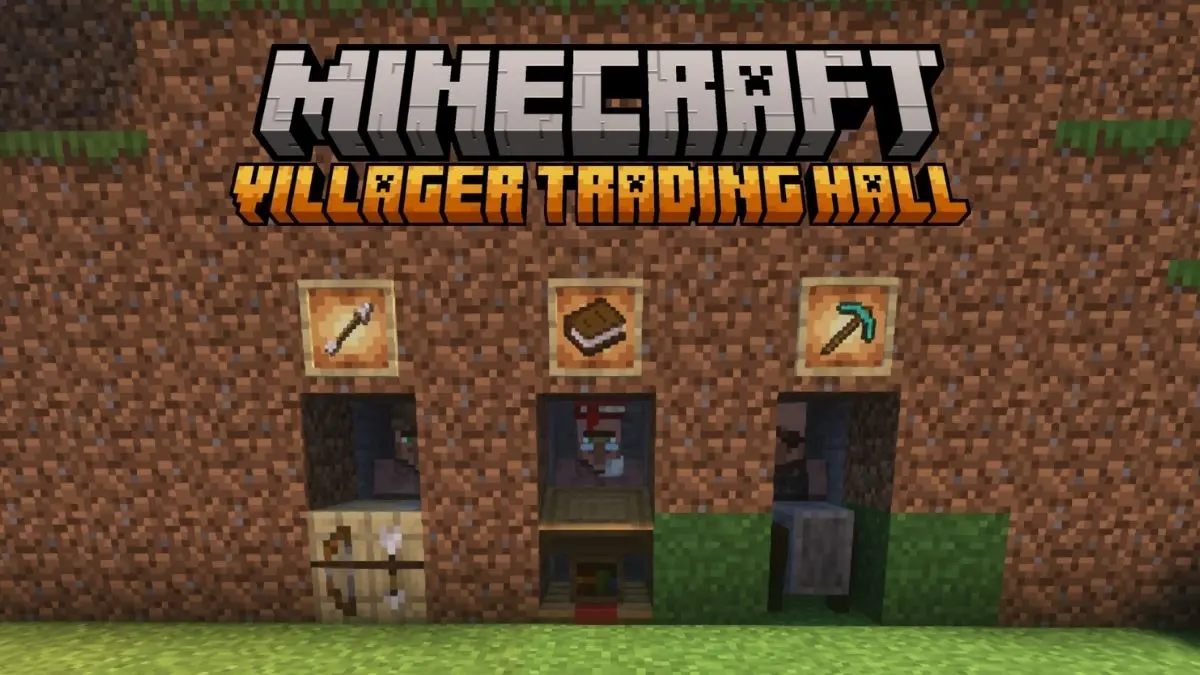
In the expansive world of Minecraft, a game renowned for its limitless creativity and complex systems, few player-made structures are as valuable and game-changing as the villager trading hall. These specialized buildings are more than just a place to house villagers—they’re strategic hubs for acquiring rare items, enchanting gear, and automating resource gathering. But what exactly is a villager trading hall, what makes it so important, and how is it related to broader trends in Minecraft gameplay and community innovation? This article explores everything related to villager trading halls: their purpose, construction, optimal designs, automation, and their impact on how players approach survival and efficiency in the game.
What Is a Villager Trading Hall?
A villager trading hall is a purpose-built structure in Minecraft designed to organize, house, and efficiently access multiple villagers for the purpose of trading. In Minecraft, villagers are passive mobs that can take on professions such as librarian, farmer, armorer, and more. Each profession offers unique trades, allowing players to acquire otherwise hard-to-get resources—like enchanted books, rare items, or even emeralds—by exchanging common goods.
Villager trading halls are closely related to the broader concept of Minecraft automation. By carefully designing these halls, players can streamline the trading process, optimize villager professions, and minimize the time spent searching for specific trades. As a result, trading halls have become essential for players seeking to maximize efficiency, especially in survival and multiplayer worlds.
The Mechanics of Villager Trading
Understanding how villager trading works is fundamental to building an effective trading hall. Villagers can be assigned professions by placing their respective job site blocks (such as lecterns for librarians or composters for farmers) nearby. Once a villager is linked to a job site, it will offer trades associated with its profession.
Trades can be refreshed and improved through a process known as “trade cycling,” where players repeatedly break and replace a job site block to reroll the available trades—often to obtain the most desirable items, such as Mending or Unbreaking III books.
Villager trading halls are specifically designed to facilitate this process, providing easy access to each villager and their job site block. This organization is closely related to the goals of efficiency and resource management.
Designing an Effective Villager Trading Hall
The design of a villager trading hall is closely related to the player’s goals, the scale of their needs, and the resources available. Here are some core considerations:
1. Layout and Accessibility
A good trading hall offers easy access to each villager, often placing them in individual cells or booths. This prevents villagers from wandering, ensures they remain linked to their job site, and makes it simple for players to interact with every villager.
2. Job Site Management
Each booth or cell typically includes the appropriate job site block, allowing players to assign or change the villager’s profession as needed. This setup is crucial for trade cycling.
3. Zombie Discounts
A popular strategy is to expose villagers to a zombie (turning them into zombie villagers) and then cure them with a golden apple and potion of Weakness. This process dramatically reduces their trade prices, offering “discounts.” Trading halls often include safe mechanisms for zombification and curing—a technique closely related to maximizing trading profits.
4. Protection and Lighting
Villagers are vulnerable to mobs, so trading halls should be well-lit and secure. Fences, walls, and iron doors are common, and the use of slabs or carpets can prevent mob spawns.
5. Aesthetics and Theme
While functionality is key, many players design their halls to fit themed builds—like medieval marketplaces, high-tech laboratories, or underground bunkers. This creative aspect is closely related to Minecraft’s appeal as a sandbox game.
Automation and Related Redstone Mechanisms
For experienced players, automation is closely related to efficient trading hall design. Redstone circuits, minecart systems, and even water streams are used to transport villagers, lock or unlock job sites, and handle resource delivery.
Some advanced features in automated trading halls include:
- Automated Villager Breeders: Systems that produce new villagers and transport them to the trading hall.
- Automatic Sorting: Mechanisms that direct villagers to specific booths based on their profession or trades.
- Redstone Locking: Devices that prevent villagers from accessing job sites until the player is ready to cycle trades.
These techniques are related to the broader trend of Minecraft “industrialization,” where players strive to automate as much as possible for peak efficiency.
Choosing the Right Villagers and Professions
Not all villagers are equally valuable. A well-designed trading hall typically includes:
- Librarians: For enchanted books like Mending, Silk Touch, and Unbreaking.
- Farmers: For easy emeralds by trading crops.
- Toolsmiths, Weaponsmiths, and Armorers: For enchanted gear and diamond equipment.
- Clerics: For rare items like ender pearls and bottles o’ enchanting.
- Fletchers and Butchers: For trading surplus resources.
The ability to select and “lock in” villagers with optimal trades is closely related to the efficiency and effectiveness of the trading hall.
The Role of Trading Halls in Minecraft Economy
Villager trading halls are not only related to individual survival but also to the broader in-game economy, especially on multiplayer servers. Players with optimized trading halls can become suppliers of rare items, enchanted gear, and building resources, often establishing shops or trade alliances with others.
This economic role is closely related to the emergence of player-driven marketplaces and currencies, transforming Minecraft from a simple sandbox into a vibrant, player-run economy.
Community Innovations and Popular Designs
The Minecraft community is known for its creativity and technical prowess. Countless trading hall designs have been shared on YouTube, Reddit, and forums, with features related to:
- Compact Footprints: Space-efficient layouts for smaller bases.
- Mega Halls: Large-scale builds with dozens of villagers for every possible trade.
- Themed Aesthetics: Builds that blend seamlessly into castles, villages, or futuristic cities.
- Tutorials: Step-by-step guides for beginners, inspiring new players to embrace advanced mechanics.
This culture of sharing and innovation is closely related to the ongoing evolution of Minecraft gameplay.
Challenges and Troubleshooting
Building a trading hall isn’t without difficulties. Common issues include:
- Villager Despawning or Wandering: Solved by enclosing villagers in safe, secure cells.
- Linking Problems: Sometimes villagers won’t link to the correct job site; spacing and careful placement are key.
- Zombie Outbreaks: Accidental mob spawns can wipe out a hall—proper lighting and barriers are essential.
- Lag on Large Servers: High numbers of villagers can impact server performance, so optimization is related to both design and server health.
Future Updates and Evolving Strategies
Each Minecraft update brings changes related to villager mechanics, AI, and trading. Players must adapt their trading hall designs and strategies to new features, such as additional professions, trade balancing, or improved mob pathfinding.
Staying informed about these updates is closely related to maintaining an effective and efficient trading hall.
Conclusion
Everything related to villager trading halls—from their design and automation to their economic impact and community-driven innovation—demonstrates why they are a cornerstone of advanced Minecraft gameplay. For players seeking efficiency, rare resources, or a thriving in-game economy, the trading hall is an essential build.
As Minecraft continues to evolve, so too will the strategies and designs related to villager trading halls, ensuring they remain at the heart of both creativity and practicality in the world’s most beloved sandbox game.