Abdul haye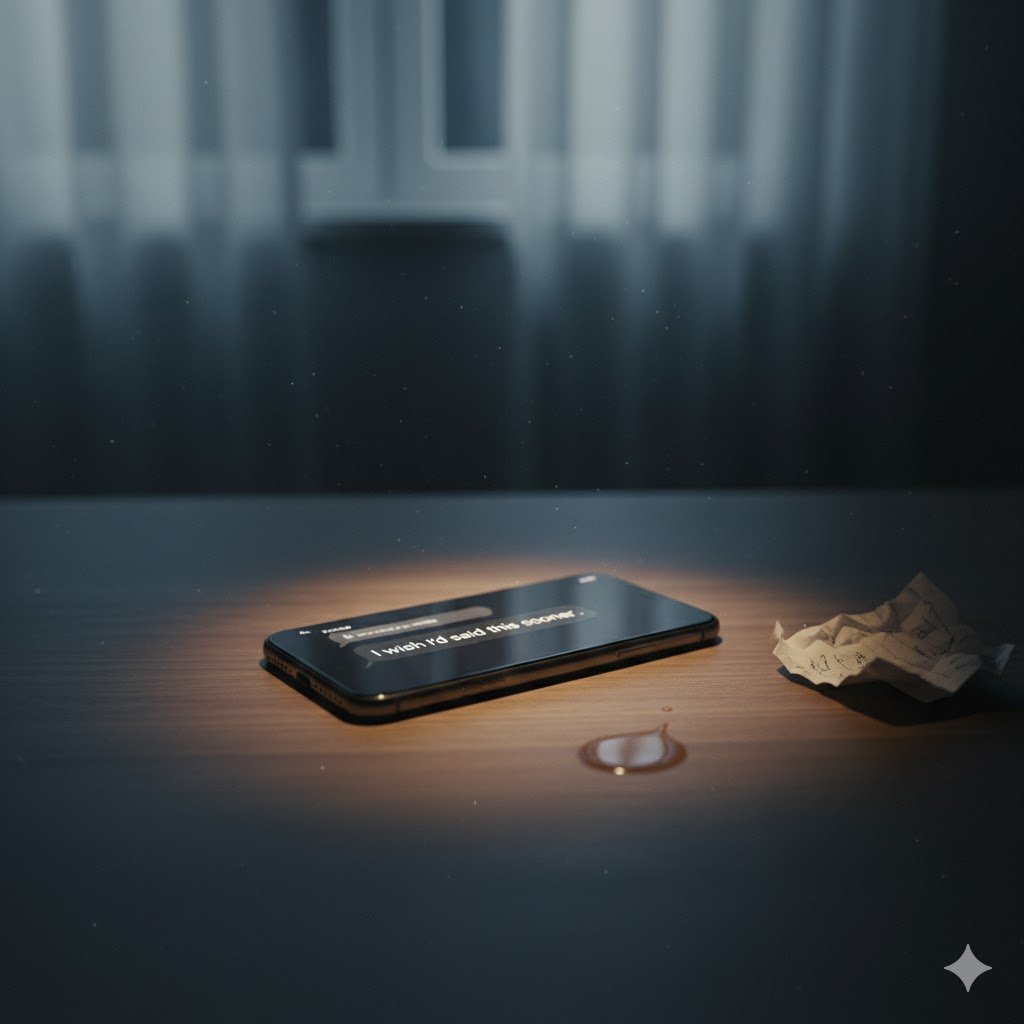
In an era marked by digital expression, the Unsent Project stands out as a unique, emotionally charged archive that resonates with people across the globe. For those encountering the term for the first time, the Unsent Project is a crowd-sourced art initiative where individuals anonymously submit text messages they never sent to their first love. These messages, raw and unfiltered, are then archived and displayed for public viewing. This article offers an in-depth look into the Unsent Project—its origins, cultural impact, themes, and why it has become such a powerful phenomenon in the digital age.
What is the Unsent Project?
The Unsent Project, launched by artist Rora Blue in 2015, is a digital art project and social experiment that collects and displays unsent text messages. Each submission is paired with a color chosen by the sender, often reflecting their feelings or their perception of the recipient. The project’s website, unsentproject.com, hosts hundreds of thousands of these anonymous messages, each a fragment of a larger human story.
The Origins and Purpose of the Unsent Project
Rora Blue created the Unsent Project as a means of exploring the complexities of love, heartbreak, and unspoken emotions. Blue was fascinated by the idea that people carry untold words within them—thoughts and feelings left unshared. The project provides a safe space for individuals to give voice to those words without the vulnerability or consequences of actually sending them.
The Unsent Project quickly gained traction through social media, attracting submissions from all over the world. Its universal themes—love, regret, longing, closure—transcend cultural and linguistic barriers, making it an accessible outlet for anyone who has ever experienced complex emotions tied to relationships.
How Does the Unsent Project Work?
Participation in the Unsent Project is simple. Anyone can visit the website and submit a message addressed to their first love, select a color, and share their feelings. The process is anonymous, encouraging honesty and vulnerability. Once submitted, the message becomes part of the Unsent Project’s archive, viewable by anyone who visits the site.
The messages vary in length and tone. Some are brief and poignant—”I miss you.” Others are elaborate confessions, apologies, or expressions of gratitude. The accompanying color adds a visual layer of emotion, with certain colors becoming associated with particular feelings: blue for sadness, pink for romance, red for passion or anger, and so on.
Key Features and Themes of the Unsent Project
- Anonymity: Submitters remain completely anonymous, allowing for unfiltered honesty.
- Color Symbolism: Each message is paired with a color that conveys emotion and meaning, creating a visually dynamic archive.
- Global Participation: The project includes submissions from every continent, reflecting a diversity of voices and experiences.
- Emotional Range: Messages cover the full spectrum of human emotion—love, anger, regret, hope, closure, and more.
- Public Archive: Anyone can browse the archive, search by color or keyword, and read the stories of countless strangers.
Why Has the Unsent Project Become So Popular?
The Unsent Project taps into a universal human experience: the words we wish we had said. In a world saturated with communication, there remains a deep well of feelings left unspoken. The project offers catharsis, connection, and validation, reminding us that we are not alone in our vulnerabilities.
Social media has played a significant role in the project’s viral growth. Screenshots and selected messages frequently circulate on platforms like Instagram, TikTok, and Twitter, where users relate to the honesty and heartbreak expressed in the submissions. The visual element—colorful backgrounds and minimalist text—makes the messages inherently shareable.
The Artistic and Cultural Impact
Beyond its role as a digital confessional, the Unsent Project is a significant cultural artifact. It captures the zeitgeist of a generation accustomed to expressing themselves through text and screens. The project has inspired academic research, art installations, and even creative writing exercises in classrooms.
Rora Blue has exhibited the Unsent Project in galleries, where physical prints of messages are displayed alongside interactive installations. These exhibitions often include walls where visitors can write their own unsent messages, further blurring the line between artist and audience.
Common Themes in Unsent Messages
A close reading of the Unsent Project archive reveals several recurring motifs:
- Longing and Regret: Many messages express sorrow over missed opportunities or unresolved endings.
- Unspoken Apologies: Some submissions are apologies never delivered, seeking forgiveness or closure.
- Declarations of Love: Confessions of love, both past and present, are a central theme.
- Moving On: Messages sometimes reflect the sender’s journey toward healing and acceptance.
- Bittersweet Nostalgia: There’s often a sense of nostalgia for a time, place, or feeling now lost.
How to Participate in the Unsent Project
To contribute, users simply go to the Unsent Project’s website, type their message, select a color, and submit. No registration or personal information is required. Submissions may be reviewed for appropriateness before being published but are otherwise unedited, preserving authenticity.
Privacy, Consent, and Ethical Considerations
Although submissions are anonymous, the Unsent Project takes privacy and consent seriously. Messages are submitted with the understanding that they become part of a public archive. The project does not publish personal identifiers or contact information. Still, users are encouraged to avoid sharing sensitive details that could inadvertently identify themselves or others.
The Unsent Project as a Tool for Healing
For many, participating in the Unsent Project is therapeutic. It offers a way to process grief, regret, or lingering affection. The act of writing—of articulating what was left unsaid—can be a step toward closure. Reading other people’s messages can also help individuals feel less isolated in their own experiences of loss or longing.
Mental health professionals sometimes recommend expressive writing as a form of emotional release. The Unsent Project channels this practice into a communal experience, blending personal catharsis with collective empathy.
Criticisms and Limitations
While the Unsent Project is widely praised, it is not without criticism. Some argue that submitting messages online may reinforce rumination rather than promote closure. Others worry about the potential for inappropriate or harmful submissions, though the project’s moderation policies aim to minimize such risks.
There’s also the question of digital permanence—once a message is published, it becomes part of the internet’s collective memory. Some participants may later regret what they’ve shared, even if it’s anonymous.
The Future of the Unsent Project
As the Unsent Project continues to grow, it reflects ongoing shifts in how we communicate, process emotion, and connect with others. The project has inspired similar initiatives and spin-offs, each exploring the boundaries between technology, anonymity, and emotional expression.
Rora Blue continues to expand the project’s reach, experimenting with new formats and venues. Whether online or in physical spaces, the Unsent Project’s central mission remains the same: to give voice to what remains unsaid.
Conclusion
The Unsent Project is more than just an archive of digital messages—it is a living, evolving testament to the complexity of human emotion. By providing a platform for anonymous expression, the project bridges the gap between private longing and public understanding. In reading and sharing these unsent messages, we are reminded of the universality of love, loss, and the words we leave behind. As the Unsent Project endures, it continues to offer comfort, connection, and creative inspiration to people around the world.