Abdul haye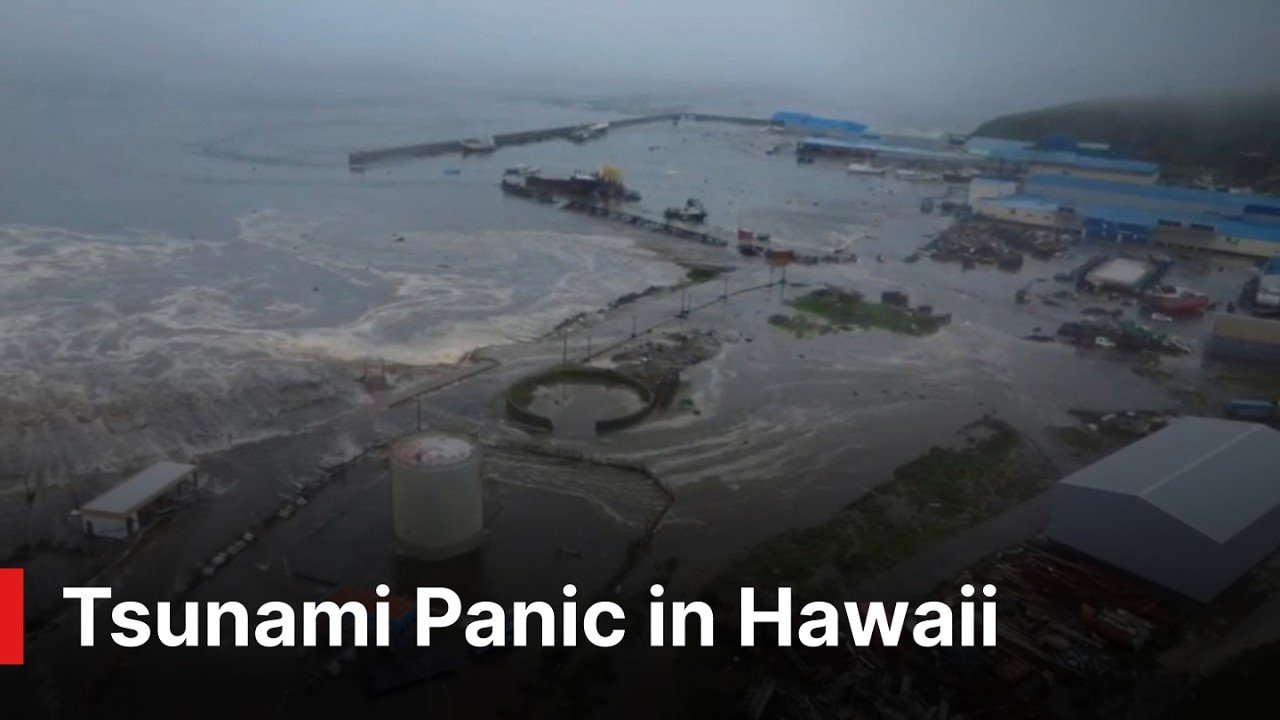
Hawaii’s idyllic beaches and lush landscapes make it a dream destination for millions each year. However, the islands’ unique location in the Pacific Ocean also places them at risk for natural disasters, particularly tsunamis. Understanding tsunami warnings, preparedness, and response protocols is critical for both residents and visitors in Hawaii. This article provides a comprehensive overview of tsunami warnings in Hawaii, including how warnings are issued, what actions to take, and the history of tsunamis in the state.
Understanding Tsunamis and Their Causes
A tsunami is a series of powerful ocean waves caused by large disturbances such as undersea earthquakes, volcanic eruptions, or landslides. When these geological events displace a significant volume of water, the energy radiates outward, often traveling thousands of miles at high speeds. Upon reaching shallow coastal waters, tsunami waves can grow dramatically in height and cause widespread destruction.
Why Hawaii Is at Risk
Hawaii sits in the center of the Pacific, surrounded by the “Ring of Fire”—an area known for frequent seismic activity. This position exposes the islands to potential tsunamis generated both locally and from distant sources, such as earthquakes off the coasts of Japan, Alaska, or South America. Because a tsunami can reach Hawaii from across the Pacific in as little as a few hours, early warning systems are essential.
Tsunami Warning Systems in Hawaii
Hawaii’s tsunami warning system is among the most advanced in the world. The Pacific Tsunami Warning Center (PTWC), located on Oahu, monitors seismic activity and ocean conditions around the clock. When an earthquake or other event occurs that could generate a tsunami, the PTWC evaluates the threat and, if necessary, issues tsunami alerts.
There are three primary types of tsunami alerts in Hawaii:
- Tsunami Watch: Issued when a distant earthquake has the potential to generate a tsunami. A watch means residents and visitors should stay alert for further information and be prepared to take action.
- Tsunami Advisory: Issued when a tsunami with strong currents or waves capable of causing damage is expected. An advisory calls for caution; people should avoid beaches and low-lying coastal areas.
- Tsunami Warning: Issued when a tsunami is imminent or already occurring. A warning means immediate action is necessary, such as evacuating to higher ground.
How Tsunami Warnings Are Communicated
Hawaii uses multiple methods to communicate tsunami warnings, ensuring information reaches as many people as possible:
- Emergency Alert System (EAS): Interrupts radio and television broadcasts with urgent alerts.
- Wireless Emergency Alerts (WEA): Sends messages directly to cell phones in affected areas.
- Outdoor Sirens: Hawaii’s famous warning sirens sound throughout the islands when a warning is issued. The sirens are tested monthly.
- Social Media and News Outlets: Emergency management agencies use social media platforms and local news to provide updates.
- NOAA Weather Radio: Provides continuous broadcasts of weather and emergency information.
What to Do During a Tsunami Warning
If a tsunami warning is issued in Hawaii, follow these steps:
- Move to Higher Ground: Evacuate immediately if you are in a tsunami evacuation zone. Maps are available through the Hawaii Emergency Management Agency and local government websites.
- Follow Official Instructions: Listen to the radio, watch TV, or monitor official social media channels for updates and instructions.
- Do Not Return Until Safe: Stay away from evacuated areas until authorities declare it safe to return. Multiple waves can occur over several hours.
- Avoid the Beach and Shoreline: Even if you do not see large waves, dangerous currents and surges can occur.
- Help Others: Assist neighbors, especially those who are elderly or have disabilities, in evacuating.
Tsunami Preparedness for Residents and Visitors
Preparation is key to surviving a tsunami. Here are essential tips:
- Know Evacuation Zones: Familiarize yourself with local tsunami evacuation zones and routes. Maps are available online and in many hotels.
- Create an Emergency Kit: Include food, water, medications, important documents, and other essentials to sustain your family for at least 72 hours.
- Develop a Communication Plan: Ensure all family members know how to reach each other and where to meet after evacuating.
- Practice Drills: Participate in community tsunami drills or conduct your own family practice runs.
- Stay Informed: Sign up for local emergency alerts and follow the Hawaii Emergency Management Agency’s recommendations.
Historical Tsunamis in Hawaii
Hawaii has experienced several devastating tsunamis in its history:
- 1946 Aleutian Islands Tsunami: Caused by an earthquake in Alaska, this tsunami struck Hawaii with little warning, killing 159 people and causing enormous damage, especially in Hilo on the Big Island.
- 1960 Chilean Tsunami: Triggered by a massive earthquake off Chile, waves reached Hawaii 15 hours later, resulting in 61 deaths and significant destruction.
- 1975 Halemaʻumaʻu Tsunami: Generated by a local earthquake on the Big Island, this tsunami killed two campers and injured several others.
These events prompted improvements in Hawaii’s tsunami warning and response systems, making the islands safer today.
The Role of Technology in Tsunami Warnings
Advancements in technology continue to enhance Hawaii’s tsunami preparedness. The PTWC uses an array of seismic sensors, ocean buoys, and tide gauges to detect potential tsunamis. Computer modeling helps predict wave arrival times and possible impacts, enabling more accurate and timely warnings. Smartphone apps and GPS mapping also assist in guiding people to safe areas during emergencies.
Tsunami Myths and Facts
There are several misconceptions about tsunamis that can put lives at risk. Here are some key facts:
- The First Wave Is Not Always the Largest: Later waves can be much higher and more destructive.
- Tsunamis Are Not Just Giant Waves: They can appear as rapidly rising tides or surges rather than towering breakers.
- Local Tsunamis Arrive Quickly: If you feel an earthquake or see the ocean suddenly recede, move to high ground immediately without waiting for an official warning.
- Tsunamis Can Occur at Any Time: There is no specific season for tsunamis; they can strike day or night, year-round.
What Visitors to Hawaii Should Know
Tourists are particularly vulnerable, as they may not be familiar with local hazards or emergency protocols. If you’re visiting Hawaii:
- Read Safety Information: Hotels and resorts often provide tsunami evacuation instructions and maps.
- Pay Attention to Sirens and Alerts: Never ignore a warning. Ask hotel staff for guidance if unsure.
- Stay Away From the Shore: After a warning, do not go to the beach to watch the waves. This can be deadly.
- Have a Plan: Know the quickest route to higher ground from your accommodation.
Conclusion
While the risk of a tsunami in Hawaii cannot be eliminated, understanding the warning systems and following preparedness guidelines can save lives. Whether you call Hawaii home or are just visiting, staying informed and ready to act is essential. Tsunami warning Hawaii protocols are robust and effective, but personal responsibility and awareness remain the most important tools for safety. By respecting the power of nature and preparing for emergencies, everyone can help ensure that the beauty and aloha spirit of Hawaii endure for generations to come.