Abdul haye
переводчик, In a world where businesses cross borders every day, translators bridge gaps that words alone can’t fill. You might think swapping one language for another is simple, but it’s far more. A good translator captures the heart of a message, including its cultural nuances, so nothing gets lost in the shuffle.
Demand for skilled translators keeps rising. Think about how global trade hit $28 trillion last year, according to the World Trade Organization. Industries like tech, healthcare, and law rely on precise translations to avoid costly mistakes. Without pros in the mix, deals fall apart, and patients face risks.
Types of Translation: Choosing Your Specialization and Work Format
Translation comes in many forms, each with its own challenges and rewards. You can pick based on your strengths, like quick thinking for live talks or deep research for written work. This variety lets you tailor a career that fits your style.
Oral Translation: Simultaneous, Consecutive, and Whispering
Oral translation demands speed and poise. Simultaneous translation happens in real time, often at big events. You hear the speaker through headphones and speak into a mic right away, like at United Nations meetings where leaders debate global issues.
Consecutive translation waits for pauses. The speaker finishes a chunk, then you relay it. This works well for business talks or court sessions, where accuracy trumps speed.
Whispering, or chuchotage, is quieter. You lean in and murmur to a small group, say during a factory tour for foreign buyers. Each type sharpens different skills, from focus to memory.
Written Translation: Overview of Categories (Technical, Legal, Literary)
Written translation dives into details. Technical translation covers manuals and specs, sticking to standards like ISO norms. One slip in engineering terms could lead to faulty machines.
Legal translation handles contracts and laws. Here, every word counts to match exact meanings across systems. For instance, translating a trade agreement means nailing clauses that vary by country.
Literary translation brings stories to life. You adapt books or poems, keeping the author’s voice alive. It’s creative but tough, as idioms don’t always translate straight.
Pick your first niche wisely. Start with what you know, like if you’re a tech fan, go for software docs. Build a portfolio there to gain trust fast.
Localization and Transcreation: Adapting Content for the Market
Localization tweaks products for local tastes. Video games or apps get adjusted, like changing date formats in software for U.S. users. It’s about making things feel native.
Transcreation goes deeper. For ads or slogans, you recreate the vibe, not just the words. A fun campaign in one culture might flop elsewhere without this.
The line blurs sometimes, but both boost sales. Companies like Netflix use them to hook global viewers.
Skills and Tools for the Modern переводчик
Top переводчик blend old-school smarts with new tech. You need more than language know-how; it’s about tools that save time and soft skills that build trust. This combo sets you apart in a crowded field.
Essential CAT Tools and Translation Management Systems (TMS)
CAT tools speed up the job. Trados Studio leads the pack, helping you reuse past translations via translation memory. This database stores phrases, cutting repeat work by up to 50%.
MemoQ offers team features, great for group projects. Memsource, now Memsource Cloud, shines in cloud access for remote work.
TMS like Smartling manage big workflows. They track edits and deadlines. Learn one early; it boosts your output without errors.
- Reuse segments from translation memory.
- Build glossaries for consistent terms.
- Integrate with machine aids for drafts.
Building Intercultural Competence and Knowledge
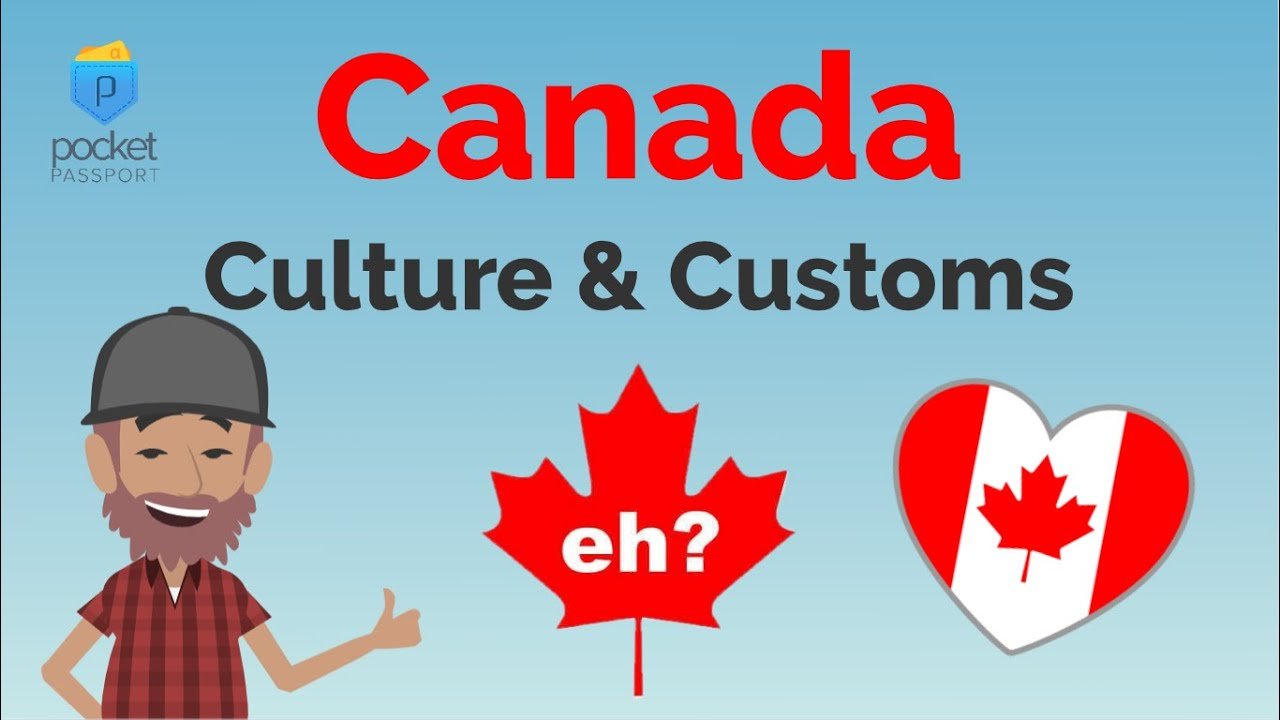
Language is just the start. You must grasp customs to dodge blunders. A direct “no” in English might seem rude in Japan, where hints rule.
Deep reading helps. Study history and news from both cultures. This prevents mix-ups that harm brands.
Take HSBC’s old ad: “Assume Nothing” translated poorly in some spots, sparking laughs instead of trust. Such flops cost millions. Stay sharp to avoid them.
Quality Assurance (QA) and Self-Editing
QA catches slip-ups before they ship. Always review twice. Self-editing keeps your work clean.
Use this checklist for final checks:
- Scan grammar with tools like Grammarly.
- Match style to the original—formal or casual?
- Check formatting; tables and lists must align.
- Verify glossary terms; no swaps allowed.
- Read aloud for flow.
These steps ensure clients return.
Career Paths: Freelance vs. переводчик Agencies
You face choices early: go solo or join a team? Each path offers freedom or stability. Weigh your goals, like steady pay or flexible hours.
Freelance gives control but demands hustle. Agencies provide structure and leads, easing the start.
Pros and Cons of Freelancing in Translation
Freelance means setting your rates, often $0.10 to $0.20 per word. You pick projects that excite you.
Platforms like Upwork or ProZ connect you to gigs. Direct outreach to firms builds long ties.
Downsides? Income swings, and you handle taxes alone. Discipline keeps you on track; set daily goals.
Pros include work-from-home ease. Many earn six figures after years.
Work in переводчик Agencies and Corporate Sectors
Agencies offer steady flow. You handle volumes they can’t alone, like patent batches.
Corporate jobs, say at Google, involve in-house localization. Climb to roles like terminology lead, overseeing teams.
Growth comes from skills. Network at events; it opens doors.
Ethical Issues and Confidentiality
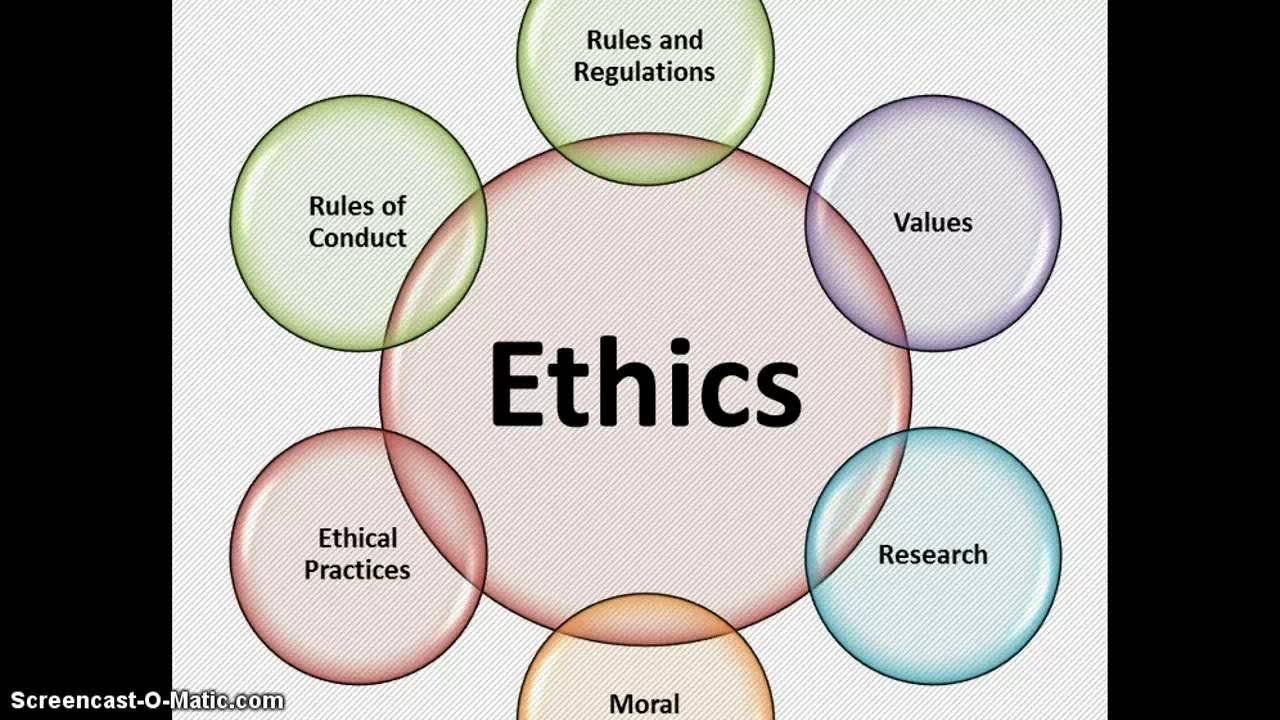
Ethics guide every job. Sign NDAs for sensitive files, like patient records or earnings reports.
Break trust, and you’re out. Pros honor secrecy, even off-duty.
In law, wrong translations void deals. Stick to codes from groups like the American Translators Association.
Education and Ongoing Professional Development
The field shifts quick. Stay current through learning. Formal paths build bases; self-study hones edges.
In 2025, online options boom, with AI classes everywhere.
Formal and Informal Education
Universities offer linguistics degrees, covering theory and practice. They take four years but give credentials.
Online courses from Coursera or Udemy focus tight, like medical terms in weeks. Pick based on time.
Mix both: degree for depth, short classes for skills.
Certification and Membership in Professional Associations
Certs prove chops. ATA stamps add resume weight.
Join AIIC for interpreters or national groups. They offer training and jobs.
Membership costs little but pays in networks.
Using AI: Threat or Tool?
AI like Google Translate aids, not replaces. Neural machine translation drafts fast, but humans polish.
Use it for rough cuts, then refine. Tools pair with CAT for 30% speed gains.
Fear less; adapt. Pros who blend AI thrive.
Conclusion: The Future of the переводчик Profession
переводчик shape tomorrow’s links. You need tech savvy and cultural depth to shine. From oral gigs to AI boosts, the role grows richer.
Key steps to launch your path:
- Pick a niche and learn its terms.
- Master a CAT tool and get certified.
- Network on platforms or associations for first clients.
Dive in now. Your skills can connect worlds. Start today, and watch your career unfold.