Abdul haye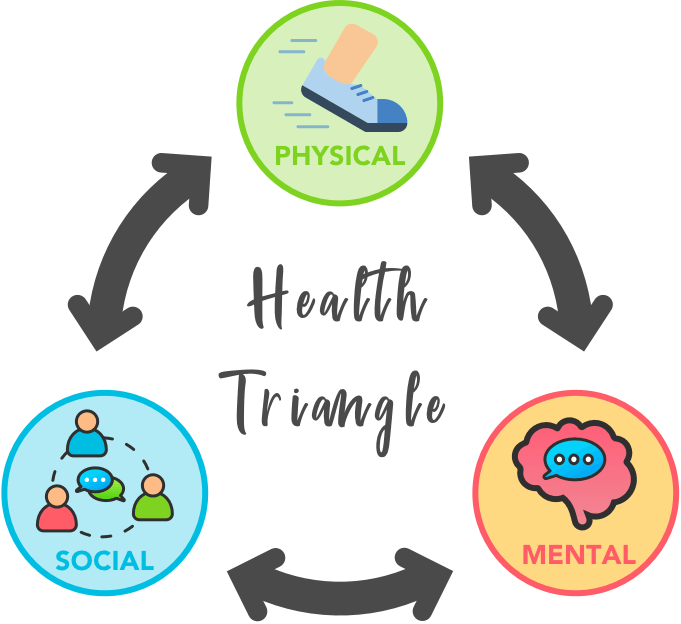
In the journey toward overall wellness, health is often viewed as a single, unified concept. However, leading experts and educators recognize that true well-being is multidimensional, encompassing various aspects of our lives. The “health triangle” is a widely used model that breaks down health into three interconnected components: physical, mental/emotional, and social health. Like the three sides of a triangle, all must be balanced to ensure stability and strength. If one side is neglected, the whole structure is affected.
This article delves into the meaning of the health triangle, examines each of its components, explains why balance is essential, and offers practical tips for maintaining and improving all three sides for a happier, healthier life.
What Is the Health Triangle?
The health triangle is a simple yet powerful visual model used in health education, especially in schools, to illustrate the major dimensions of a person’s well-being. Imagine an equilateral triangle, where each side represents one of the following:
- Physical Health
- Mental/Emotional Health
- Social Health
The concept emphasizes that all sides are equally important. Just as a triangle collapses if one side is weak or missing, so too can a person’s overall health suffer if any area is neglected.
1. Physical Health: The Foundation of Wellness
The most commonly recognized dimension, physical health, refers to the overall condition and functioning of your body. It encompasses everything from nutrition and exercise to sleep and regular medical checkups.
Key Aspects of Physical Health:
- Nutrition: Eating a balanced diet rich in fruits, vegetables, lean proteins, whole grains, and healthy fats.
- Exercise: Engaging in regular physical activity, such as walking, cycling, swimming, or playing sports.
- Sleep: Prioritizing adequate and quality sleep, typically 7–9 hours per night for adults.
- Hygiene: Practicing good hygiene, including handwashing, dental care, and personal cleanliness.
- Preventive Care: Attending regular medical, dental, and vision checkups, and following recommended vaccinations.
- Avoiding Harmful Behaviors: Steering clear of smoking, excessive alcohol use, substance abuse, and risky activities.
Why It Matters:
Physical health is the most visible aspect of the health triangle. Poor physical health can lead to chronic diseases, fatigue, and decreased quality of life. However, it’s important to remember that physical health is deeply influenced by mental and social factors as well.
2. Mental/Emotional Health: The Power of the Mind
Mental and emotional health involves your thoughts, feelings, and ability to cope with life’s challenges. It’s about managing stress, expressing emotions appropriately, and maintaining a positive self-image.
Key Aspects of Mental/Emotional Health:
- Self-Esteem: Valuing yourself and recognizing your strengths and achievements.
- Stress Management: Using healthy techniques to deal with pressures, such as mindfulness, exercise, or creative outlets.
- Emotional Awareness: Understanding and expressing your feelings in constructive ways.
- Resilience: Bouncing back from setbacks and adversity.
- Seeking Help: Reaching out for support from friends, family, or mental health professionals when needed.
Why It Matters:
Mental and emotional health shapes how we perceive the world, interact with others, and make decisions. Poor mental health can lead to anxiety, depression, and difficulty coping with everyday life. It also has a direct impact on physical health—chronic stress, for example, can weaken the immune system and increase the risk of illness.
3. Social Health: The Value of Connection
Social health refers to the quality of your relationships and interactions with others. It’s about building supportive networks, communicating effectively, and contributing to your community.
Key Aspects of Social Health:
- Communication Skills: Listening actively, expressing yourself clearly, and resolving conflicts respectfully.
- Relationships: Building and maintaining healthy connections with family, friends, colleagues, and peers.
- Support Systems: Having people to turn to in times of need, such as mentors, counselors, or support groups.
- Community Involvement: Participating in clubs, teams, or volunteer opportunities.
- Respect and Empathy: Valuing diversity, showing compassion, and respecting others’ perspectives.
Why It Matters:
Humans are social creatures. Strong social health can reduce feelings of loneliness and isolation, boost mood, and provide a sense of belonging. Positive relationships are linked to better mental and physical health outcomes, including lower stress levels and longer life expectancy.
The Importance of Balance
The health triangle underscores the idea that all three components—physical, mental/emotional, and social—must be balanced for optimal wellness. If one side is neglected, the other sides will eventually suffer.
Examples of Imbalance:
- A person who is physically fit but struggles with depression or lacks supportive relationships may feel unfulfilled or lonely.
- Someone with a vibrant social life but poor health habits may experience chronic illness or fatigue.
- An individual who is mentally strong but isolated from others may face emotional challenges.
Why Balance Matters:
- Synergy: Each side supports the others. For instance, exercise (physical) can reduce stress (mental), while strong friendships (social) can provide emotional support.
- Prevention: Balanced health reduces the risk of illness, burnout, and relationship problems.
- Quality of Life: Holistic wellness leads to greater happiness, productivity, and resilience.
Practical Strategies for a Strong Health Triangle
- Set Realistic Goals for each area—such as walking 30 minutes a day, practicing gratitude, and reconnecting with old friends.
- Schedule Regular Check-ins with yourself to assess how you’re feeling physically, mentally, and socially.
- Practice Mindfulness to stay aware of your needs and maintain perspective.
- Seek Support when struggling—don’t hesitate to reach out to healthcare providers or counselors.
- Prioritize Self-Care by making time for activities that nourish your body, mind, and relationships.
- Limit Harmful Influences like negative social media, toxic relationships, or unhealthy habits.
- Celebrate Successes in any area, no matter how small.
Teaching the Health Triangle: For Families and Schools
Educators and parents can use the health triangle to teach children and teens about holistic well-being. Activities might include:
- Drawing personal health triangles and discussing strengths and weaknesses.
- Group discussions about how stress or friendships affect health.
- Setting group or family wellness goals that touch all three sides.
Conclusion
The health triangle is a powerful reminder that true wellness is about more than just eating right or visiting the gym. It’s the result of nurturing our bodies, minds, and relationships in equal measure. By understanding and striving for balance in all three areas, we lay the foundation for long-term health, resilience, and happiness. Take a moment to assess your own health triangle—where are you strong, and where could you improve? Small, consistent efforts can make a big difference, turning the goal of lifelong wellness into a reality.