Abdul haye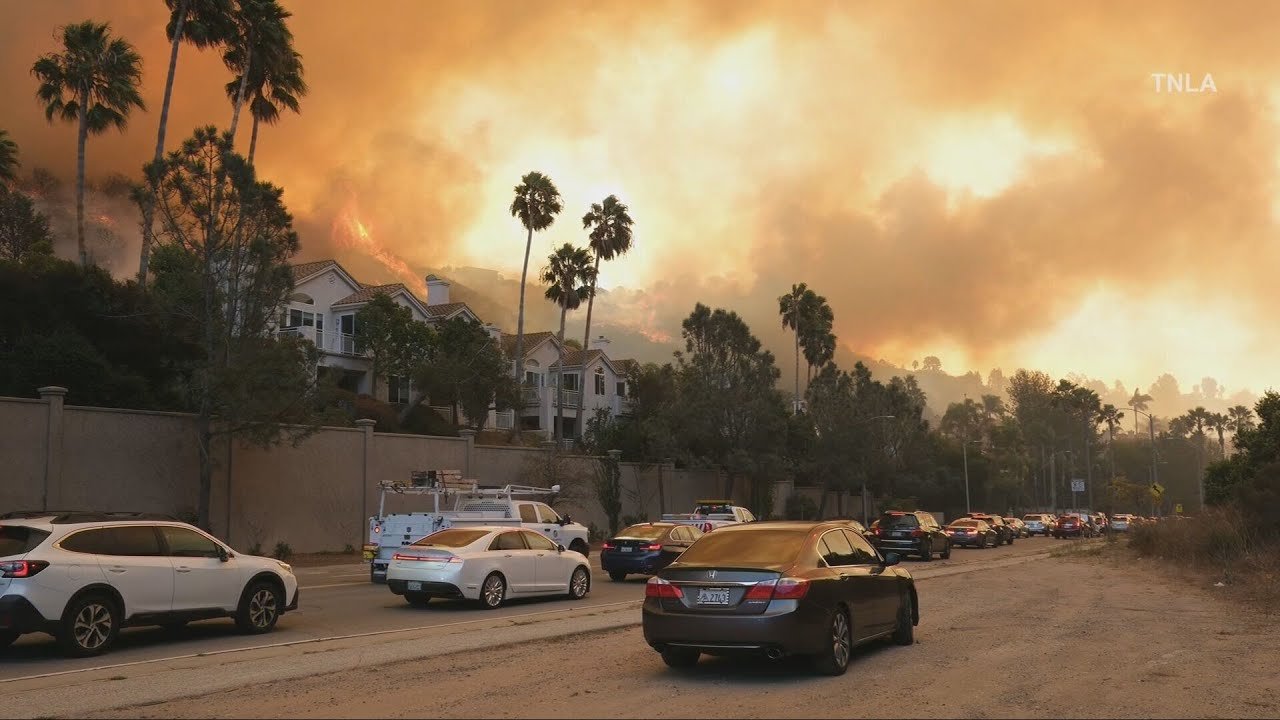
Los Angeles, renowned for its scenic landscapes and year-round sunshine, has increasingly become synonymous with devastating wildfires. The phrase “LA fires” now conjures images of smoke-filled skies, charred hillsides, and frantic evacuations. As climate change, urban expansion, and environmental mismanagement converge, the frequency and intensity of wildfires in Los Angeles are on the rise. This article explores the causes, impacts, and potential solutions to the growing threat of LA fires, providing a comprehensive overview for residents, policymakers, and anyone concerned about the future of Southern California.
The Anatomy of LA Fires
Wildfires in Los Angeles are not a new phenomenon. Historically, the region’s Mediterranean climate—with wet winters and hot, dry summers—has always created ideal conditions for natural fires. However, several factors have exacerbated the situation in recent years:
- Climate Change: Prolonged droughts, rising temperatures, and unpredictable weather patterns have made the region more susceptible to wildfires. According to the National Interagency Fire Center, Southern California has experienced some of its driest years on record over the past decade.
- Urban Expansion: As Los Angeles grows, new developments push further into wildland-urban interfaces (WUI)—areas where homes and businesses meet undeveloped land. This expansion increases the risk to life and property when fires break out.
- Vegetation and Fuel Load: Years of fire suppression have allowed underbrush and dead vegetation to accumulate, providing abundant fuel for fires. When ignited, these fuels can lead to fast-moving and uncontrollable blazes.
- Santa Ana Winds: These warm, dry winds, unique to Southern California, can rapidly spread flames over large areas. Gusts sometimes exceed 60 miles per hour, making containment efforts extremely challenging.
- Human Activity: More than 80% of wildfires in California are caused by human actions—whether accidental (campfires, equipment use) or deliberate (arson).
Notable LA Fires in Recent History
Several catastrophic fires have left an indelible mark on the Los Angeles landscape in the past two decades:
- The Station Fire (2009): Burning over 160,000 acres in the Angeles National Forest, it became one of the largest fires in LA County history.
- The Woolsey Fire (2018): Destroying more than 1,600 structures and causing three fatalities, the Woolsey Fire forced the evacuation of Malibu and other communities.
- The Getty Fire (2019): Threatening high-value neighborhoods and iconic landmarks, this fire highlighted the vulnerability of even the most affluent areas.
The Impact of LA Fires
The consequences of these wildfires are far-reaching and multifaceted:
- Human Cost: Lives are lost, thousands are displaced, and homes are destroyed. The emotional and psychological toll on affected communities can persist long after the flames are extinguished.
- Economic Damage: The costs of firefighting, property loss, and recovery efforts run into billions of dollars. Wildfires also disrupt tourism, agriculture, and local businesses.
- Environmental Degradation: Fires devastate wildlife habitats, destroy native vegetation, and increase the risk of mudslides and erosion. Post-fire landscapes often struggle to recover, especially as drought conditions persist.
- Air Quality and Health: Smoke from LA fires affects millions, leading to respiratory problems, exacerbating existing health issues, and increasing hospital visits. The particulate matter can travel hundreds of miles, impacting air quality far beyond the immediate area.
- Infrastructure Strain: Power outages, road closures, and damaged water systems put additional strain on public services and emergency responders.
Fighting LA Fires: Challenges and Strategies
Firefighting in Los Angeles is a monumental task that requires coordination, resources, and innovation:
- Rapid Response: LA County Fire Department, Cal Fire, and dozens of local agencies work together, deploying ground crews, helicopters, and fixed-wing aircraft to contain blazes quickly.
- Technology: Infrared cameras, drones, and satellite imaging help identify hotspots and monitor fire movement in real time.
- Community Preparedness: Public education campaigns encourage residents to create defensible space around homes, prepare evacuation plans, and stay informed through official alerts.
- Mutual Aid: During major incidents, firefighters from across California and neighboring states converge on LA to provide assistance.
The Role of Climate Change
Climate scientists warn that without decisive action, LA fires will only worsen. Rising global temperatures and persistent droughts create a vicious cycle: dry vegetation fuels larger fires, which, in turn, release more carbon dioxide, further intensifying climate change. Reducing greenhouse gas emissions, investing in renewable energy, and adopting water conservation measures are essential steps communities can take to mitigate future risks.
Prevention and Adaptation: What Can Be Done?
While some factors are beyond local control, several strategies offer hope for reducing wildfire risk:
- Vegetation Management: Controlled burns and mechanical thinning can reduce excess fuel loads in forests and open spaces.
- Building Codes and Land Use: Stricter regulations on construction in high-risk areas, use of fire-resistant materials, and smart urban planning can minimize property losses.
- Early Detection: Improved fire monitoring systems and rapid alert networks help authorities respond swiftly to emerging threats.
- Public Engagement: Ongoing education and community involvement ensure residents are prepared and proactive.
- Infrastructure Investment: Upgrading power lines, water systems, and emergency access roads enhances resilience.
The Future of LA Fires
Experts agree that wildfires will remain a fixture of Southern California’s environment for the foreseeable future. However, a combination of science-driven policy, community engagement, and technological innovation offers a path forward. By understanding the complex factors behind LA fires and embracing a culture of preparedness, residents and leaders can work together to safeguard lives, property, and the natural beauty that defines Los Angeles.
Conclusion
The story of LA fires is both a cautionary tale and a call to action. As wildfires become more frequent and destructive, Los Angeles faces an urgent need to adapt and respond. Through collaborative efforts, investment in prevention, and a commitment to sustainability, the city can chart a course toward a safer, more resilient future. The flames of today’s LA fires need not define tomorrow’s landscape.