Abdul haye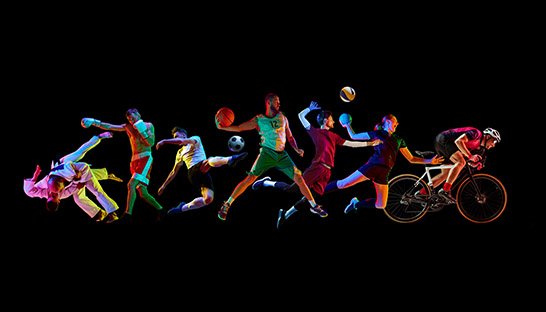
The world is experiencing an unprecedented “sports surge”—a dramatic rise in the popularity, participation, and economic impact of sports on a global scale. From grassroots youth leagues to professional franchises, digital streaming to fantasy sports, and wellness trends to wearable technology, the expansion of the sports sector is reshaping culture, entertainment, and business. This surge is not just about more people watching or playing sports; it reflects fundamental shifts in how we engage with athletics, driven by technology, social change, health awareness, and the relentless pursuit of excellence.
This article explores the many dimensions of the sports surge: its origins, manifestations, economic and social impacts, and what the future may hold for athletes, fans, and industry stakeholders.
The Roots of the Sports Surge
While sports have always held a cherished place in societies worldwide, several modern factors have fueled the current sports surge:
-
Technological Advancements
The digital age has brought sports to new audiences. High-definition broadcasts, mobile streaming, and instant social media updates make following games easier than ever. Technology has also revolutionized training, analytics, and fan engagement, creating a 24/7 sports ecosystem. -
Globalization
Once-regional sports now have global fan bases. The NBA, Premier League, and NFL, for example, broadcast games to hundreds of countries. International competitions like the Olympics and FIFA World Cup bring the world together, while athletes become global icons. -
Health and Wellness Movement
Rising awareness of the benefits of physical activity has encouraged more people to participate in sports and fitness. Governments and communities invest in facilities and programs, while wearable devices help individuals track and improve their performance. -
Inclusivity and Diversity
The sports surge is also about breaking barriers. Women’s sports, para-sports, and adaptive athletics are gaining long-overdue recognition and support, broadening the industry’s reach and impact.
Manifestations of the Sports Surge
The sports surge is evident in multiple areas:
-
Rising Participation Rates
Youth and adult leagues are booming. More people of all ages are joining community teams, running clubs, and fitness groups. Schools and universities are investing in athletic programs, recognizing their value for student development. -
Growth of Esports and Fantasy Sports
The definition of “sports” itself is expanding. Esports—competitive video gaming—has exploded in popularity, with professional leagues, major sponsorships, and millions of fans. Fantasy sports platforms engage fans in new, interactive ways, deepening their connection to traditional sports. -
Record Viewership and Sponsorships
Major sporting events regularly break viewership records. Companies invest billions in sponsorships, advertising, and naming rights, recognizing the unparalleled marketing opportunities sports provide. -
Facility and Infrastructure Development
Cities worldwide are building state-of-the-art stadiums, training centers, and recreational complexes. These facilities host not just sports, but concerts, conventions, and community events, contributing to local economies.
The Economic Impact of the Sports Surge
The sports industry is now one of the largest and most dynamic economic sectors globally, encompassing:
- Professional Sports: Athlete salaries, team valuations, ticket sales, merchandising, and media rights are reaching new highs. Franchises like the Dallas Cowboys, Real Madrid, and Manchester United are worth billions.
- Fitness and Recreation: Gyms, boutique fitness studios, and sporting goods manufacturers thrive as more people invest in health and wellness.
- Media and Technology: Sports streaming, gaming, and app development create jobs and drive innovation.
- Tourism and Events: Major sporting events attract travelers, boost hospitality industries, and put cities on the international stage.
According to market analysts, the global sports market is projected to surpass $600 billion in the coming years, with sustained growth expected across sectors.
Social and Cultural Impacts
Beyond economics, the sports surge is transforming societies in profound ways:
-
Community Building
Sports leagues and events foster unity, pride, and a sense of belonging. Local teams are community pillars, and shared fandom bridges divides. -
Youth Development
Participation in sports teaches teamwork, discipline, leadership, and resilience. Programs targeting underprivileged youth use sports as a vehicle for education and empowerment. -
Gender Equality and Inclusivity
The rise of women’s sports—such as the WNBA, National Women’s Soccer League, and women’s cricket—challenges stereotypes and opens doors for the next generation. Paralympic athletes and adaptive sports also demonstrate the spirit of inclusion. -
Mental Health and Wellbeing
The sports surge has encouraged open conversations about mental health. High-profile athletes speaking about personal struggles help destigmatize mental illness and promote wellness.
The Digital Revolution: New Frontiers in Sports Engagement
One of the most significant catalysts of the sports surge is the digital revolution. Key trends include:
- Streaming and On-Demand Content: Fans can watch games anywhere, anytime, breaking free from traditional TV schedules.
- Social Media: Athletes build personal brands, connect with fans, and advocate for causes. Viral moments and memes make sports a constant presence in daily life.
- Wearable Tech and Data Analytics: Smartwatches, fitness trackers, and performance analytics empower athletes and amateurs alike to optimize their training and health.
- Virtual and Augmented Reality: VR and AR experiences bring fans closer to the action, from virtual stadium tours to interactive training sessions.
Challenges and Criticisms
Despite its many benefits, the sports surge is not without challenges:
- Commercialization: Some worry that excessive commercialization detracts from the purity of sports and exploits athletes and fans.
- Access and Equity: Economic barriers can limit participation, especially for underprivileged communities. Efforts are needed to make sports accessible to all.
- Injury and Burnout: The pressure to succeed can lead to overtraining, injuries, and mental health issues, especially among youth athletes.
- Ethical Issues: Doping, match-fixing, and corruption scandals can undermine trust in sports organizations.
The Future of the Sports Surge
Looking ahead, the sports surge shows no signs of slowing down. Key trends to watch include:
- Personalized Fan Experiences: Enhanced by artificial intelligence and big data, fans will enjoy tailored content, merchandise, and interactive experiences.
- Sustainable Practices: Eco-friendly stadiums, green events, and sustainable gear will become industry standards.
- Global Talent Development: Investment in coaching and infrastructure worldwide will raise the level of competition and opportunity.
- Integration of Physical and Digital Sports: Hybrid experiences, such as connected fitness and virtual competitions, will further blur the lines between real and virtual athleticism.
Conclusion
The sports surge is more than a temporary trend—it’s a reflection of deeper societal shifts towards health, connectivity, and shared experience. As technology, culture, and business continue to converge, sports will remain at the heart of global identity and community. Whether you’re a player, coach, fan, or entrepreneur, the opportunities arising from the sports surge are vast and varied. The game is changing, and the surge shows no signs of slowing down.