Abdul haye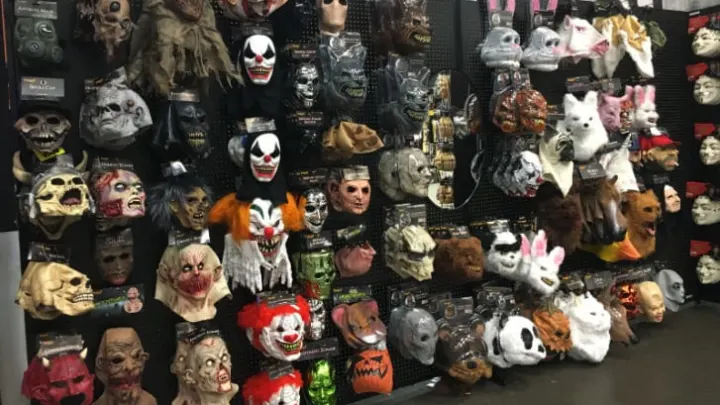
Every autumn, as the leaves begin to turn and a chill enters the air, a familiar sight appears in empty storefronts across North America: giant banners emblazoned with the grinning logo of Spirit Halloween. For millions, Spirit Halloween is as much a part of the season as pumpkins and trick-or-treating. But what makes this pop-up retailer so successful? What’s related to its widespread popularity and how does it influence the broader Halloween industry? In this article, we’ll explore everything related to Spirit Halloween—its history, business model, product offerings, cultural influence, and the trends it both shapes and reflects.
The Origins of Spirit Halloween
Spirit Halloween was founded in 1983 by Joseph Marver in Castro Valley, California. The concept was simple but ingenious: open a temporary store selling Halloween costumes, decorations, and party supplies, then close up shop after the holiday. The first store was a success, and the model quickly caught on.
What’s closely related to Spirit Halloween’s rapid expansion is its ability to occupy vacant retail spaces—most notably, those left by closed big-box stores or malls. This “pop-up” strategy allowed Spirit Halloween to minimize overhead costs while capitalizing on the intense, but short-lived, demand for Halloween merchandise.
In 1999, Spirit Halloween was acquired by Spencer Gifts, a company known for its novelty gifts and mall presence. Under this new ownership, Spirit Halloween exploded in size. By 2023, the company operated over 1,400 locations across the United States and Canada, making it the largest Halloween retailer in North America.
The Pop-Up Business Model: Why It Works
The success of Spirit Halloween is closely related to its unique business model. The pop-up approach offers several advantages:
- Low Overhead: By leasing empty spaces for just a few months, Spirit Halloween avoids the year-round expenses of permanent retail.
- Location Flexibility: The company can open stores wherever demand is highest, often moving into recently vacated retail locations.
- Scarcity and Urgency: The limited-time nature of the stores creates a sense of urgency among shoppers, driving impulse purchases and repeat visits.
- Minimal Inventory Risk: With operations concentrated in a few months, the company can accurately forecast demand and avoid overstocking.
This model has inspired other retailers to try seasonal or pop-up approaches, but none have matched the scale or brand recognition of Spirit Halloween.
Product Range: Everything Related to Halloween
Walk into any Spirit Halloween, and you’ll find an enormous selection of Halloween-related products. The company’s inventory includes:
- Costumes: From classic monsters to trending pop culture icons, Spirit Halloween offers costumes for all ages and sizes. Many are exclusive or Spirit-branded.
- Decorations: Animatronic props, fog machines, tombstones, lights, and inflatable yard decorations transform homes and businesses into haunted spectacles.
- Accessories: Wigs, masks, makeup, hats, and prosthetics allow customers to customize their looks.
- Party Supplies: Themed plates, cups, banners, and favors make it easy to throw a Halloween bash.
- Pet Costumes: Outfits for dogs and cats have become increasingly popular, reflecting trends in pet ownership.
Spirit’s buying team is closely related to the latest trends, ensuring that each year’s offerings include viral memes, movie characters, and TikTok sensations.
Cultural Impact: Spirit Halloween as a Seasonal Institution
Spirit Halloween’s influence extends beyond retail. The store has become a cultural touchstone, inspiring memes, parodies, and even movies (such as the 2022 “Spirit Halloween: The Movie”). For many, a trip to Spirit is an annual tradition—an event that signals the start of the Halloween season.
Social media is filled with content related to Spirit Halloween, including:
- Costume “Hauls”: Shoppers show off their finds and offer reviews.
- Store Tours: Influencers walk through local stores, highlighting new animatronics or exclusive items.
- Memes: The iconic Spirit Halloween sign photoshopped onto abandoned buildings has become a running internet joke.
Spirit Halloween’s marketing campaigns—both official and user-generated—help cement its place in the seasonal zeitgeist.
Related Trends: The Rise of Experiential Retail
Spirit Halloween’s success is closely related to the broader trend of experiential retail. As online shopping has eroded traditional brick-and-mortar stores, pop-up and event-driven retailers have found new ways to draw in customers. Spirit Halloween’s immersive, interactive stores—complete with haunted house displays and animatronic monsters—turn shopping into an experience.
This approach is related to consumers’ desire for novelty and engagement. It also provides opportunities for impulse buying, as customers are drawn into the excitement of the season.
Community Involvement: Spirit of Children
A lesser-known aspect of Spirit Halloween’s business is its charitable arm, Spirit of Children. This program raises funds for child life departments in hospitals, funding playrooms, therapy programs, and special events for young patients. Since its inception, Spirit of Children has raised tens of millions of dollars.
This philanthropic effort is closely related to the company’s mission of making Halloween fun for everyone, including those who can’t celebrate in traditional ways.
The Broader Halloween Industry and Related Competitors
Spirit Halloween’s dominance has shaped the larger Halloween industry. Major competitors include Party City, Walmart, and Target, all of which ramp up their Halloween-related offerings each fall. However, Spirit’s exclusive focus and pop-up strategy give it an edge.
The Halloween industry itself has grown dramatically, with Americans spending over $10 billion annually on costumes, decorations, and treats. This surge is related to both the holiday’s expanding popularity among adults and the rise of social media, which amplifies costume creativity and home décor.
Challenges and Criticisms
While Spirit Halloween is beloved by many, it is not without challenges. Some criticisms and concerns related to the brand include:
- Sustainability: The temporary nature of pop-up stores and the prevalence of plastic decorations and costumes raise questions about environmental impact.
- Quality: Some customers find that costumes and props are pricey for the quality received.
- Accessibility: While Spirit has a vast network, rural areas may have limited access, relying instead on online shopping.
The company has made efforts to address some concerns by expanding online offerings and introducing more eco-friendly products.
The Future of Spirit Halloween
Looking ahead, Spirit Halloween’s future appears bright. The company continues to innovate, expanding its online presence and experimenting with new product categories. The pop-up model may even inspire related ventures in other seasonal markets, such as Christmas or summer festivals.
Technology will play a role as well—augmented reality apps, online costume previews, and digital marketing will keep Spirit Halloween closely related to changing consumer habits.
Conclusion
Everything related to Spirit Halloween—from its innovative business model to its cultural impact and charitable efforts—demonstrates why it remains at the heart of the Halloween season. As trends in retail and pop culture evolve, Spirit Halloween adapts, ensuring that each autumn, empty storefronts across the country spring to life with the magic (and mischief) of Halloween.
Whether you’re hunting for the perfect costume, decking out your haunted house, or simply soaking up the spooky atmosphere, Spirit Halloween is more than just a store—it’s a seasonal phenomenon, woven into the fabric of fall for generations to come.