Abdul haye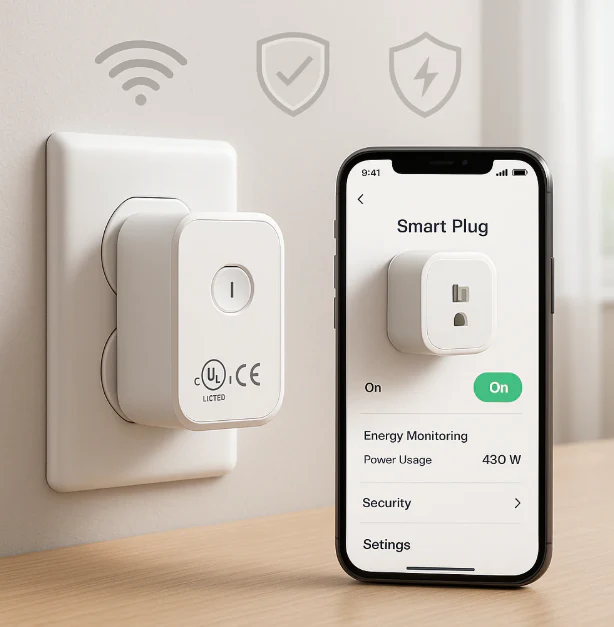
In today’s fast-paced digital age, the concept of “plug tech” is rapidly transforming the way we interact with technology in our homes, offices, and even public spaces. But what exactly is plug tech, and why is it receiving so much attention? This article delves into the meaning, trends, innovations, and impact of plug tech, exploring how it’s shaping the future of connectivity, convenience, and sustainability.
What is Plug Tech?
At its core, “plug tech” refers to technologies and devices that are designed for immediate use with minimal setup—often described as “plug-and-play.” These are products that can be easily installed or connected, often by simply plugging them into a power outlet or a network port, and are ready to operate without the need for complex configurations. Over the years, plug tech has evolved from basic electrical appliances to sophisticated smart devices that integrate seamlessly into the Internet of Things (IoT) ecosystem.
The Evolution of Plug Tech
Early Beginnings
The earliest forms of plug tech were simple electrical appliances—think lamps, toasters, and radios. The defining feature was their ease of use: plug them in, and they worked. As consumer electronics evolved, so did the expectations for simplicity. The introduction of USB (Universal Serial Bus) in the late 1990s revolutionized how peripherals connected to computers, making it simpler than ever to plug in devices like keyboards, mice, and printers without cumbersome installations.
The Smart Revolution
The real leap in plug tech came with the advent of smart devices. Today, plug tech encompasses everything from smart plugs and outlets to connected lighting, thermostats, speakers, security cameras, and more. These devices often offer additional features like remote control via smartphone apps, voice assistant integration, scheduling, and energy monitoring.
Key Plug Tech Devices and Innovations
1. Smart Plugs and Outlets
Perhaps the best-known example of plug tech, smart plugs allow users to control traditional appliances through Wi-Fi or Bluetooth. Once plugged into a standard outlet, they can be paired with an app or a virtual assistant such as Amazon Alexa, Google Assistant, or Apple HomeKit. This means you can turn on your coffee maker from bed, schedule your lights to turn off at bedtime, or monitor the energy usage of different devices.
2. Plug-In Smart Lighting
Smart bulbs and plug-in light strips have become staples in modern homes. These devices can be plugged into existing sockets or outlets and controlled remotely. Users can adjust brightness, change colors, or create lighting schedules—all from their smartphones or with voice commands.
3. Plug-and-Play Security Systems
Security is another area where plug tech excels. Wireless security cameras, motion sensors, and alarm systems can often be set up by simply plugging them into power and connecting to Wi-Fi. Many systems offer cloud storage for recordings, live streaming, and smart alerts, making home security accessible and manageable for everyone.
4. Plug-In Networking Devices
Plug tech has revolutionized home networking as well. Powerline adapters, Wi-Fi range extenders, and mesh Wi-Fi systems can be set up by plugging them into power outlets, extending internet coverage throughout a building without the need for complicated wiring.
5. Charging and Power Solutions
With the proliferation of electronic devices, plug tech solutions like USB charging stations, surge protectors, and wireless charging pads make it easy to keep everything powered up, organized, and protected against electrical surges.
Plug Tech and the Internet of Things (IoT)
One of the most significant developments in plug tech is its integration into the IoT ecosystem. IoT refers to the network of physical objects—“things”—embedded with sensors, software, and connectivity, enabling them to collect and exchange data. Plug tech devices often become nodes in this network, gathering data (like energy usage, temperature, or occupancy) and enabling automation.
For example, a smart plug can turn off appliances when a room is unoccupied, saving energy. A plug-in air quality monitor can send alerts if pollution levels rise, prompting action. The seamless integration of plug tech with IoT platforms allows for smarter homes and workplaces, enhancing efficiency and sustainability.
The Benefits of Plug Tech
1. Simplicity and Accessibility
Plug tech is designed for everyone. Whether you’re tech-savvy or a beginner, these devices are simple to install and use. There’s no need for professional installation or complex wiring.
2. Cost-Effectiveness
Many plug tech solutions are affordable and can be added incrementally. Want to make your home “smart”? Start with a few smart plugs and bulbs, and expand as needed.
3. Energy Efficiency
Smart plug tech helps users monitor and reduce energy consumption. Turning off idle devices, scheduling appliances, and receiving usage reports can make a significant difference in electricity bills—and environmental impact.
4. Scalability
From a single smart plug to a full suite of connected devices, plug tech can scale to fit any home, office, or business. As needs grow, new devices can be easily added to the system.
Plug Tech: Trends and The Future
Voice Control and AI Integration
Virtual assistants are increasingly central to the plug tech experience. The integration of AI enables more natural interactions—“Hey Google, turn off the fan”—and smarter automation, such as adjusting lighting based on sunset or presence detection.
Wireless and Battery Power
The next generation of plug tech is moving beyond the plug itself, with battery-powered devices and wireless charging. These solutions offer even more flexibility in device placement and usage.
Sustainability and Green Tech
Plug tech is contributing to greener lifestyles. Smart power strips can eliminate “vampire” power drain, and energy-monitoring plugs help users make informed choices about consumption. Plug tech can also facilitate the integration of solar panels and electric vehicle chargers into homes.
Security and Privacy
As plug tech devices proliferate, concerns about data security and privacy are growing. Manufacturers are responding with stronger encryption, regular security updates, and transparent data policies.
Challenges of Plug Tech
While plug tech offers many benefits, there are challenges to consider:
- Compatibility: Not all devices work seamlessly together. Open standards and improved interoperability are ongoing goals for the industry.
- Connectivity: Devices reliant on Wi-Fi may experience interruptions if networks are unstable.
- Privacy: As more data is collected, it’s essential to choose reputable brands and review privacy settings.
Plug Tech in Business and Industry
Plug tech is not just for homes. In businesses, plug-and-play sensors monitor equipment performance, optimize energy use, and enhance security. In manufacturing, plug tech solutions enable predictive maintenance and real-time monitoring, reducing downtime and costs.
Conclusion: Plug Tech as the Backbone of a Smart Future
Plug tech is redefining how we interact with our environments. By making technology accessible, flexible, and user-friendly, plug tech empowers individuals and businesses to make smarter, greener, and more efficient choices. As the Internet of Things expands and technologies become more interconnected, plug tech is poised to be the backbone of our smart homes, offices, and cities.
Whether you’re looking to automate your lighting, monitor your energy usage, secure your property, or simply make your daily routines a little bit easier, plug tech offers solutions that are as simple as “plug and play”—and the possibilities are only just beginning.