Abdul haye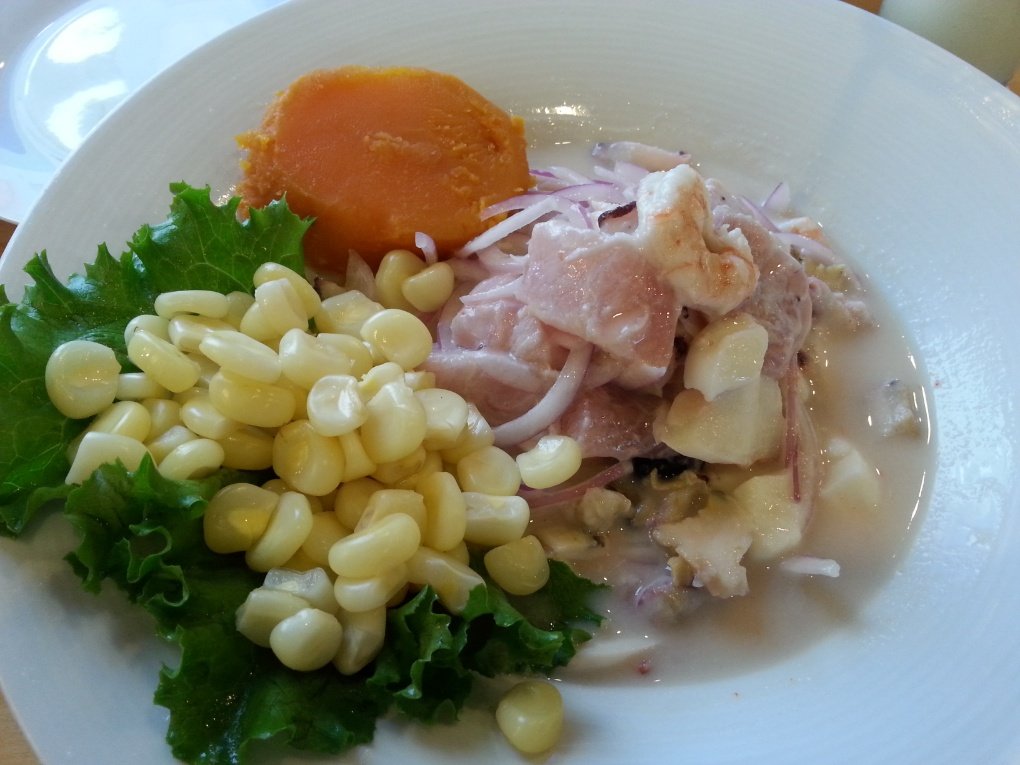
Peruvian food is celebrated worldwide for its vibrant flavors, diverse ingredients, and rich culinary traditions. From the ancient civilizations of the Andes to the bustling markets of Lima, Peru’s cuisine tells a story of cultural fusion and innovation. In this comprehensive guide, we explore the origins, signature dishes, essential ingredients, and modern trends that make Peruvian food one of the most exciting and dynamic cuisines on the planet.
The Roots of Peruvian Cuisine: A Melting Pot of Influences
Peruvian food is the product of centuries of cultural blending. Before the Spanish arrived in the 16th century, the indigenous peoples of Peru cultivated crops like potatoes, corn, quinoa, and a dazzling variety of chili peppers. The arrival of Spanish conquistadors brought new ingredients such as beef, pork, and wheat, as well as Moorish, African, and European culinary influences.
Later waves of immigration from China, Japan, and Italy added even more layers of complexity. The result is a cuisine that seamlessly blends native traditions with global flavors—think Chinese-inspired stir-fries with Andean ingredients, or Italian pasta dishes featuring Peruvian chili sauces.
Essential Ingredients in Peruvian Cooking
- Potatoes: Peru is home to more than 4,000 varieties of potatoes, a staple in countless dishes.
- Maize (Corn): Used in everything from tamales to chicha morada, a sweet purple corn drink.
- Aji Peppers: The heart of Peruvian flavor, especially aji amarillo (yellow chili) and aji panca.
- Quinoa and Kiwicha: Ancient grains now celebrated worldwide for their nutrition.
- Fresh Seafood: Thanks to the Pacific coast, ceviche and other seafood dishes are central to Peruvian cuisine.
- Herbs and Aromatics: Cilantro, huacatay (Peruvian black mint), and red onions are widely used.
Signature Peruvian Dishes You Must Try
1. Ceviche Perhaps Peru’s most famous dish, ceviche is made by marinating raw fish in lime juice, onions, and aji peppers. The acid from the lime lightly “cooks” the fish, creating a refreshing, tangy appetizer. Ceviche is typically served with sweet potato, corn, and cancha (toasted corn nuts).
2. Lomo Saltado A perfect example of Peruvian fusion, lomo saltado combines stir-fried beef, tomatoes, onions, and aji peppers with soy sauce and vinegar. It’s served with both rice and French fries—a nod to the country’s multicultural roots.
3. Aji de Gallina This creamy chicken stew features shredded chicken in a sauce made from aji amarillo, cheese, milk, and walnuts, served over rice and potatoes. It’s comfort food at its finest.
4. Anticuchos These skewers of marinated and grilled beef heart (or sometimes chicken or seafood) are a favorite street food, often served with potatoes and a spicy sauce.
5. Papa a la Huancaína A classic appetizer, this dish features boiled potatoes topped with a creamy, spicy cheese sauce made with aji amarillo and served on lettuce with olives and hard-boiled eggs.
6. Pollo a la Brasa Peruvian roast chicken, marinated in spices and cooked over a wood fire or rotisserie, is beloved for its juicy meat and crispy skin. It’s often served with fries and creamy sauces.
7. Causa Rellena A layered potato dish, causa rellena is made from seasoned mashed yellow potatoes filled with tuna, chicken, or seafood salad and garnished with avocado and hard-boiled eggs.
Street Food and Snacks
Peru’s street food scene is lively and diverse. Look for:
- Salchipapas: Sliced sausage and fries, topped with sauces.
- Tamales: Corn dough filled with meat or cheese, wrapped in banana leaves.
- Picarones: Sweet potato and squash doughnuts served with syrup.
- Choclo con Queso: Giant Andean corn with salty cheese, a simple but delicious snack.
Regional Diversity in Peruvian Food
Peru’s geography gives rise to distinct regional cuisines:
- Coastal Cuisine: Seafood reigns supreme, with ceviche, tiraditos, and chupe de camarones (shrimp chowder).
- Andean Cuisine: Hearty stews, potatoes, corn, and guinea pig (cuy) are staples.
- Amazonian Cuisine: Exotic fruits, river fish, and unique herbs like sachaculantro (Amazonian cilantro) dominate the menu.
Peruvian Desserts and Drinks
- Suspiro a la Limeña: A rich caramel and meringue dessert.
- Mazamorra Morada: Purple corn pudding flavored with fruit and spices.
- Arroz con Leche: Creamy rice pudding.
- Chicha Morada: A sweet, non-alcoholic drink made from purple corn, pineapple, and spices.
- Pisco Sour: Peru’s national cocktail, blending pisco (grape brandy), lime juice, egg white, and bitters.
The Rise of Peruvian Cuisine on the World Stage
Peruvian food has earned international acclaim, with Lima now considered one of the world’s top food destinations. Chefs like Gastón Acurio and Virgilio Martínez have brought global attention to Peru’s culinary riches, and Peruvian restaurants can be found in major cities worldwide.
The country’s biodiversity, innovative chefs, and deep respect for culinary heritage fuel a vibrant food scene. Modern Peruvian cuisine continues to evolve, blending tradition with creative new twists.
Tips for Cooking Peruvian Food at Home
- Source Authentic Ingredients: Look for Peruvian chilis, corn, and grains at Latin markets or online.
- Experiment with Fusion: Don’t be afraid to combine Peruvian flavors with your own culinary traditions.
- Balance Flavors: Peruvian food often balances spicy, acidic, and starchy components.
- Try Traditional Techniques: Steaming, grilling, and marinating are key to many classic dishes.
Frequently Asked Questions (FAQs)
1. Is Peruvian food spicy?
Some dishes, especially those with aji peppers, have a kick, but the cuisine balances heat with creamy, tangy, and starchy flavors.
2. Is Peruvian food healthy?
Many dishes are rich in vegetables, grains, and lean proteins, making Peruvian cuisine both flavorful and nutritious.
3. What is the most famous Peruvian food?
Ceviche is widely considered Peru’s signature dish, but lomo saltado and pollo a la brasa are also global favorites.
4. Are there vegetarian options?
Yes. Dishes like papa a la huancaína, causa rellena (with vegetable filling), and quinoa-based salads are delicious vegetarian-friendly choices.
Conclusion
Peruvian food offers a thrilling journey through flavors, history, and culture. Its unique blend of indigenous and international influences, along with extraordinary biodiversity, makes it one of the most exciting cuisines to explore. Whether you’re enjoying ceviche by the coast, a hearty stew in the Andes, or recreating classic dishes at home, Peruvian cuisine promises a feast for the senses and a deeper appreciation of Peru’s rich culinary heritage.