Abdul haye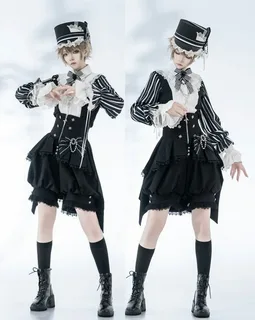
Fashion is more than fabric—it’s identity, expression, art. Among the many styles in Japanese street fashion and its subcultures, Ouji / Boystyle stands out as a princely, gender‑flexible counterpoint to the more childlike or overtly feminine Lolita styles. Also known sometimes as “Prince” style or, historically, “Kodona,” Ouji fashion combines historical influences, precise tailoring, theatrical touches, and a youthful, aristocratic flair.
Origins & Context
What Is Ouji / Boystyle?
-
Boystyle (ボーイスタイル Boisutairu) is a style in Japanese street fashion often described as the male counterpart or “brother style” to Lolita fashion. Even though it uses “boy” in its name, Ouji / Boystyle is gender‑neutral: anyone can wear it, regardless of gender. lolitafashion.fandom.com+2LolitaInside+2
-
Ouji (王子, “prince”) is a specific substyle of Boystyle, emphasizing youthful, regal elegance. It often draws on the idea of a young noble or prince from Victorian or Edwardian eras, fantasy literature, maybe even storybooks or manga. J-Fashion+2Lolita Glow+2
History & Influences
-
The style developed in the late 1990s to early 2000s alongside Lolita fashion, Visual Kei, and other Japanese subcultures. It was part of a broader movement exploring alternative beauty, fantasy, and historical aesthetics. J-Fashion+2Aesthetics+2
-
Influences include Victorian children’s formal wear, Rococo (in terms of ornamentation), European aristocratic styles, sometimes militaristic or pirate motifs, and the theatricality seen in music and manga/anime. https://www.lolitaknot.com+2J-Fashion+2
Common Misconceptions
-
“Kodona” was once used, but it’s less common now and carries some misinterpretations. Some people use “Kodona” interchangeably, but it’s not universally accepted as exactly equivalent to Ouji. J-Fashion+1
-
Ouji is not simply “girl Lolita but with pants.” It has its own rules, feel, proportions, and expectations. The idea is not always to mimic masculinity strictly but to blend elements in a stylized, aristocratic, fantasy or youthful way. lolitafashion.fandom.com+1
Key Aesthetic Elements
Here are the building blocks of a good Ouji / Boystyle outfit (often abbreviated “coord” in the community):
| Component | Common Features / Details |
|---|---|
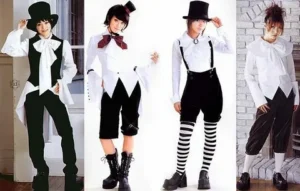
| Silhouette / Clothing Pieces | Short pants (“pumpkin” / knickerbockers), breeches, mid‑length shorts, sometimes long trousers in more mature or Dandy substyles. Shirts or blouses with frills, collars, often with lace or ruffles. Vests or waistcoats. Jackets or coats (fancier if the outfit is Ouji prince themed). lolitafashion.fandom.com+2https://www.lolitaknot.com+2 |
| Fabric & Decoration | Rich fabrics like velvet, brocade, silk, or well‑print cottons with motifs. Lace, ribbons, decorative buttons, epaulettes, maybe even braids or piping depending on style. Aesthetics+2Lolita Glow+2 |
| Colors & Patterns | Black, white, burgundy, navy, sometimes jewel tones. Stripes and plaids are common. For more “Sweet Ouji” or fanciful, lighter colors might be used. Floral or fantasy prints show up in some coords. J-Fashion+2Lolita Glow+2 |
| Accessories | Top hats, berets, crowns, ribbons, neckties or cravats, brooches, brocade belts, pocket watches, gloves, maybe little capes or epaulettes. Socks / stockings (knee ‑ or over‑knee), boots (ankle or low heel) or shoes with strong detail. lolitafashion.fandom.com+2TheFashionhob+2 |
| Hair & Makeup | Can be quite flexible. Some Ouji coords favor short hair, more “classic” male haircut styles; others use wigs or styles that are more elaborate. Makeup tends to be subtler than in Sweet Lolita but can still include eye makeup, subtle color, maybe contouring or light blush. The focus is often on highlighting facial structure. https://www.lolitaknot.com+2Aesthetics+2 |
Subvariants / Styles Within Ouji / Boystyle
Ouji itself sits among related styles in the Boystyle / Dandy universe. Here are some of the common variants:
-
Classic / Elegant Ouji: More restrained elegance; fewer loud decorations, more emphasis on tailoring, fabric quality, polished accessories. Think Victorian prince meets gentleman.
-
Gothic Ouji: Incorporates darker colors, heavier fabrics, more dramatic accessories; borrows from Gothic Lolita aesthetics.
-
Punk / Military Ouji: Uses elements from militaristic uniforms (epaulettes, structured coats, buttons), or punk hardware (chains, buckles) for an edgier look.
-
Sweet / Fantasy Ouji: More whimsical; lighter colors, playful accessories (crowns, ribbons), fantasy themes (fairy tales, pirate prince, etc.).
-
Dandy: Often thought of as a more mature, “gentlemanly” partner to Ouji; longer pants, more formal tailoring. Some in the community place Dandy and Ouji as overlapping but distinct. J-Fashion+2lolitafashion.fandom.com+2
Why It Appeals: Identity, Expression & Community
Ouji / Boystyle isn’t just clothing—it has meaning and power for people who wear it.
-
Gender Expression & Androgyny
Since Ouji is gender‑neutral, it offers a space for people who do not feel comfortable with hyper‑feminine styles, or who want to mix masculine and feminine elements. It allows flexing between modes of expression. Many people enjoy the regal, princely fantasy without needing to conform to traditional gendered fashion. LolitaInside+2lolitafashion.fandom.com+2 -
Fantasy & Escapism
Similar to Lolita, Ouji draws from fantasy, literature, historical costume, anime/manga. Putting on an Ouji coord can feel like stepping into a story—a young prince, a character in a fantasy setting. It’s not just about everyday practicality but about whimsy, beauty, creating an identity. TheFashionhob+1 -
Community & Belonging
The Ouji and Boystyle communities are active online (forums, social media), at events and meetups. People share “coords,” photos, DIY tips, discuss materials, fit, sourcing. For many, it’s a way to meet others who share an interest in alternative fashion. WWAC+1 -
Creativity & Craftsmanship
Because Ouji involves layering, mix of fabrics, tailoring, accessory work, many wearers enjoy DIY or custom pieces. It encourages attention to detail—fit, proportion, texture.
How to Build an Ouji Coord: Step‑by‑Step Guide
If you’re interested in trying Ouji / Boystyle, here are steps and tips to help you start your coord.
-
Start with a Base Piece
Choose one statement garment such as a pair of short trousers/breeches, a vest, or a decorative blouse. This will form the anchor of your outfit. -
Focus on Fit & Proportion
Since Ouji is influenced by historical children’s clothing, the cut matters. Shorts/breeches should end around knee‑level or just above/below depending on style. Jackets or vests should fit well across shoulders and chest—tailoring helps. Too loose tends to lose the princely or polished look. -
Layering & Texture
Add layers: shirt + vest + jacket or coat if needed. Use mix of fabrics: lace, brocade, velvet vs simple cottons. Contrast textures to make the outfit richer. -
Color Palette & Coordination
Pick a palette: for Gothic Ouji maybe black + burgundy + silver, for Classic perhaps navy + cream + gold. Decide ahead how you use darker vs lighter tones, and where pops of color go (accessories, linings). -
Accessorize Thoughtfully
Hats (top hat, beret, etc.), neckties, cravats or jabot, brooches, gloves, canes, pocket watches, decorative belts. Don’t overload—sometimes a few standout pieces are more effective. -
Shoes & Socks
Knee‑high socks, patterned or plain, depending on the theme. Footwear: boots (leather or faux leather), dress shoes, sometimes loafers or shoes with medieval or princely styling. -
Hair and Makeup
Even if your hair is short, style it: slicked, side‑parted, or with accessories. If using a wig, choose color that complements coord. Makeup can be understated: subtle eyeliner, gentle blush, perhaps highlight certain features. Light makeup tends to enhance rather than distract. -
Theme Variations
Think about whether you want a strict “prince” vibe, or if you prefer pirate Ouji, military Ouji, fantasy Ouji, vampire Ouji etc. Themes help guide accessory choices, colors, fabrics. -
Practice and Learn from Others
Look at coords from people in Ouji communities or fashion events. Observe what works (proportion, color, detail). Try to adapt rather than replicate—materials or availability might differ.
Practical Considerations & Challenges
-
Availability of Clothing: Ouji pieces are less common than Lolita dresses and skirts. Not every brand carries many Ouji items, especially outside Japan. So you might need to import, commission custom pieces, or alter existing garments. Reddit+1
-
Sizing & Fit: Because historical‑inspired cuts can differ from standard clothing dimensions, fitting can be tricky. It helps to measure well, know your proportions (especially inseam, thigh width, chest/shoulder breadth).
-
Weather & Practicality: Layers, heavy fabrics, long socks, jackets can be hot in warm climates. Some adaptation may be needed (lighter fabrics, fewer layers).
-
Cost: Good fabrics, detailed accessories, custom tailoring – these add up. Many participants balance branded or premium pieces with DIY, thrift, or simpler basics.
-
Maintaining Coherence: Because Ouji combines many potential directions (sweet, gothic, classic, punk), there is risk of mixing too many influences that clash. Having a theme or clear direction for a coord helps.
Ouji / Boystyle Around the World
While Ouji originated in Japan, it has spread globally:
-
In Asia (China, Taiwan, Korea), Europe, North America, there are stable communities of Ouji enthusiasts. Social media platforms like Instagram, TikTok, Weibo, Little Red Book are full of Ouji coords and inspiration.
-
Local adaptations occur: availability of fabrics, weather, modesty norms, cost, sometimes modest alteration of styles depending on culture. For example, lighter fabrics in tropical climates, fewer layers, local craftsmanship for accessories.
-
Brands & resellers outside Japan sometimes produce Ouji‑friendly items. Some carry “Prince” lines, or re‑size/alter Lolita‑brand pieces, or produce pieces specifically intended for Ouji coords.
Cultural & Artistic Significance
-
Challenging Gender Norms: Ouji / Boystyle contributes to broader conversations about gender expression, breaking down the strict categories of “masculine” and “feminine” clothing. It offers fluidity.
-
Heritage & History: Ouji draws from European history and fantasy. This fusion gives wearers a connection to imagining past eras, reimagined through a modern lens.
-
Performance & Role Play: There’s an element of theatricality. Wearing Ouji is often an intentional aesthetic performance—how you walk, pose, present. For many, outfits are not just clothing but costuming.
-
Artistry & DIY: Many Ouji enthusiasts are makers, tailors, or designers. They sew, alter, embellish. This fosters creative skills and communal sharing of tips, sewing patterns, resources.
Examples & Inspirations
Here are some typical coord ideas or themes to illustrate what Ouji outfits look like:
-
Classic Prince: Deep navy blue velvet tailcoat, white ruffled blouse, knee‑length breeches, white knee socks, black lace‑up boots, perhaps a small crown or top hat, a brooch cravat.
-
Gothic Ouji: Black pants or shorts, black blouse with lace trim, high collar, leather boots, silver accessories (chains, pins), maybe a capelet or dark coat.
-
Fantasy Pirate Ouji: White poet shirt, vest with gold buttons, striped knickerbockers or trousers, boots, pirate hat or bandana, perhaps a sash or epaulette, accessory like a toy sword or pendant.
-
Sweet / Fairy Ouji: Pastel blazer or jacket, ruffles, bows, lighter pants, decorative socks, soft accessories, maybe whimsical elements like gilded stars, ribbons, etc.
-
Military Ouji: Structured jacket with epaulettes, brass buttons, dark color, fitted pants or breeches, high boots or lace up shoes, accessories like medals, belts.
How It Compares To Lolita & Related Styles
-
Vs Traditional Lolita: Lolita often emphasizes bell‑shaped skirts, petticoats, dresses or jumperskirts (JSKs), headwear like bonnets or big bows. Ouji does away with big skirts and replaces them with pants/shorts/breeches. While both share attention to ornamentation, historical inspiration, and often accessories, their silhouettes differ markedly. lolitafashion.fandom.com+1
-
Vs Aristocrat Fashion: Aristocrat tends to be more mature, somber, darker tones; sometimes it overlaps with Gothic Lolita. Ouji leans more youthful or fantasy/prince‑ly. Some people combine elements. lolitafashion.fandom.com+1
-
Overlap of Substyles: Just like Lolita has Sweet, Gothic, Classic, etc., Ouji / Boystyle also can be mixed with those substyles. So you can have Gothic Ouji, Sweet Ouji, etc. It’s fluid. lolitafashion.fandom.com+1
Tips for Someone Getting Started
If you’re thinking of trying Ouji / Boystyle, here are some practical tips:
-
Collect Inspiration: Use Pinterest, Instagram, Lolita / Ouji communities to see real coords. Save those that appeal to you: note what you like about them (color, silhouette, accessories).
-
Start Small: Begin with one or two pieces: a nice blouse, vest, maybe one pair of pants or shorts. Build from there.
-
Adapt to Local Climate: If you live in a hot place, find lighter fabrics; if cold, layering is your friend. Seasonal adaptation is key.
-
Mix & Match with Existing Wardrobe: Use basic staples you already have (e.g. a blazer, dress shirt, boots) and add Ouji touches (vest, ruffles, hat) to blend.
-
Pay Attention to Fit: If possible, tailor pants or shorts, or adjust pieces (hem, alter waist) for better proportion.
-
Budget Resources:
-
Look for second‑hand or used pieces, resale shops in Lolita / Ouji communities.
-
Commission local tailors if off‑the‑rack is not ideal.
-
DIY accessories: crowns, ribbons, brooches can be made or modified.
-
-
Join Community: Online communities help: you can get feedback, coordinate sharing, help with where to buy, how to craft. Real people’s coords are often the best learning.
Conclusion
Ouji / Boystyle is a rich, expressive fashion style that allows wearers to inhabit a princely fantasy with elegance, historical inspiration, and creative freedom. It sits at a sweet intersection of costume, identity, art, and community.
Whether you want a full Ouji coord or just elements from the style, what matters is how you feel wearing it. The regality, the fantasy, the craftsmanship—that’s what makes Ouji special. If you decide to try it, you’ll be joining a community that values beauty, creativity, and personal style, with many possibilities for making the style your own