Abdul haye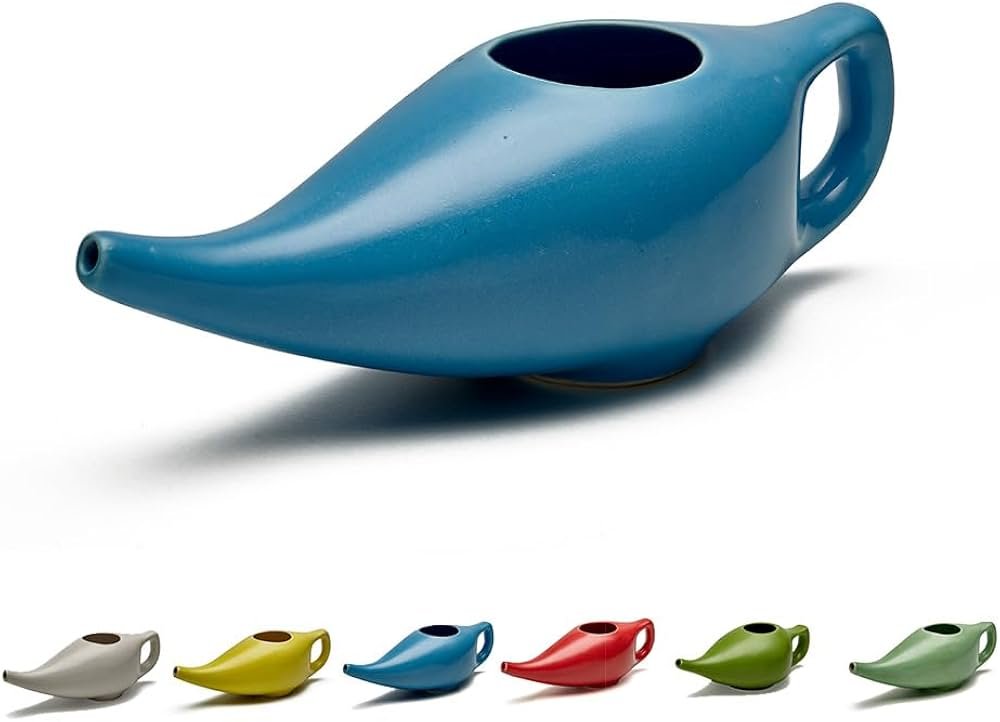
The word “neti” may sound unfamiliar to some, but for practitioners of traditional yoga and holistic health, it represents an ancient technique that continues to provide significant benefits in the modern world. Neti, also known as nasal cleansing, is a yogic purification method that has its roots in the ancient Indian system of Hatha Yoga. In this comprehensive article, we will explore what neti is, its types, historical significance, scientific backing, step-by-step practice, benefits, precautions, and its relevance today.
What is Neti?
Neti is a Sanskrit term that means “to guide” or “to cleanse.” In yogic traditions, it refers specifically to the practice of cleansing the nasal passages. The primary purpose of neti is to clear the nasal cavity of impurities, excess mucus, allergens, and pollutants, thereby supporting optimal breathing and overall health.
There are various forms of neti, but the most widely practiced is jala neti (water cleansing). Other forms include sutra neti (string cleansing), which is more advanced and less commonly practiced outside traditional yoga circles.
Historical Roots of Neti
Neti’s origins can be traced back thousands of years to the ancient yogic and Ayurvedic texts of India. It is one of the six purification techniques (shatkarma) described in the Hatha Yoga Pradipika, an authoritative 15th-century treatise on Hatha Yoga. These purification practices prepare the body and mind for deeper yogic practices, such as pranayama (breath control) and meditation.
In Ayurveda, the traditional Indian system of medicine, nasal cleansing is considered essential for maintaining the health of the upper respiratory tract and for balancing the body’s doshas (energetic forces). The practice of neti was traditionally performed daily, especially in the morning, as part of personal hygiene routines.
Types of Neti
1. Jala Neti (Water Cleansing)
Jala neti involves the use of a neti pot—a small container with a spout, typically made of ceramic, metal, or plastic—filled with lukewarm saline water. The water is poured through one nostril and allowed to flow out of the other, cleansing the nasal passages as it goes.
2. Sutra Neti (Thread/String Cleansing)
Sutra neti is a more advanced method that uses a soft, lubricated cotton thread or a rubber catheter. The thread is gently passed through one nostril and pulled out of the mouth, then moved back and forth to clear out stubborn blockages. Sutra neti should only be attempted under the guidance of an experienced teacher.
3. Other Variations
Some modern adaptations use specialized bottles or squeeze devices, and there are also herbal neti solutions used in Ayurveda for specific conditions.
Scientific Perspective: How Does Neti Work?
A growing body of scientific research supports the efficacy of nasal irrigation, or neti, for improving respiratory health. The saline solution helps to thin mucus, flush out allergens, bacteria, and pollutants, and reduce inflammation in the nasal lining. Studies have shown that regular nasal irrigation can benefit people with chronic sinusitis, allergies, colds, and even mild asthma.
In addition, neti can help reduce the incidence of upper respiratory tract infections, enhance the sense of smell, and improve overall nasal hygiene. The process also supports proper airflow, which is fundamental for efficient oxygen exchange and overall vitality.
Step-by-Step Guide to Practicing Jala Neti
What You Need:
- A neti pot
- Non-iodized salt (sea salt or rock salt)
- Clean, lukewarm water (preferably boiled and cooled)
Preparation:
- Dissolve 1/4 to 1/2 teaspoon of salt in about 250 ml (1 cup) of lukewarm water. The solution should taste like natural tears—not too salty, not bland.
- Fill the neti pot with the saline solution.
How to Practice:
- Stand over a sink and tilt your head sideways at about a 45-degree angle.
- Insert the spout of the neti pot gently into your upper nostril, creating a comfortable seal.
- Breathe through your mouth. Slowly pour the saline solution so it flows in one nostril and exits through the other, carrying mucus and debris with it.
- Repeat on the other side.
- After completing both sides, gently blow your nose to clear any remaining water and mucus. Some practitioners perform gentle breathing exercises (kapalabhati) to dry out the nasal passages.
Tips:
- Use only clean, sterile water to avoid infections.
- Practice neti in the morning or at least two hours before bedtime.
- If you experience discomfort, stop and check your technique or consult a trained instructor.
Benefits of Neti
1. Improves Breathing:
Cleansing the nasal passages removes blockages and reduces congestion, making breathing easier and more efficient.
Cleansing the nasal passages removes blockages and reduces congestion, making breathing easier and more efficient.
2. Reduces Allergies and Sinus Issues:
Neti can help flush out pollen, dust, and other allergens, providing relief from hay fever, sinusitis, and rhinitis.
Neti can help flush out pollen, dust, and other allergens, providing relief from hay fever, sinusitis, and rhinitis.
3. Prevents Colds and Infections:
By removing pathogens and excess mucus, neti reduces the risk of respiratory infections.
By removing pathogens and excess mucus, neti reduces the risk of respiratory infections.
4. Enhances Mental Clarity:
Yogis believe that clear nasal passages help improve mental focus and clarity, as proper breathing oxygenates the brain.
Yogis believe that clear nasal passages help improve mental focus and clarity, as proper breathing oxygenates the brain.
5. Supports Overall Health:
Good nasal hygiene is linked to better sleep, improved sense of smell, and a general sense of well-being.
Good nasal hygiene is linked to better sleep, improved sense of smell, and a general sense of well-being.
Safety Precautions and Contraindications
- Always use sterile, distilled, or previously boiled water.
- Do not perform neti if you have a severe nasal infection, active bleeding, or recent nasal surgery.
- Avoid practicing if you have persistent ear infections or a blocked Eustachian tube.
- Consult a healthcare professional if you have chronic respiratory or ear conditions.
Modern Relevance of Neti
As air pollution, allergies, and respiratory illnesses become increasingly common, ancient practices like neti are more relevant than ever. Many doctors and ear, nose, and throat (ENT) specialists now recommend nasal irrigation as part of routine care for sinus and allergy sufferers. Neti is also popular among singers, athletes, and people who rely on clear nasal passages for performance.
Neti’s popularity has grown in the West, with neti pots and saline solutions readily available in pharmacies and health food stores. However, it’s essential to follow proper guidelines to practice neti safely and effectively.
Conclusion
Neti is an ancient yogic practice with enduring health benefits. From its origins in traditional yoga and Ayurveda to its modern acceptance and scientific validation, neti remains a valuable tool for maintaining respiratory health and overall well-being. Whether you are seeking relief from allergies, sinus congestion, or simply wish to incorporate a holistic practice into your daily routine, neti offers a simple yet profound solution. As with all health practices, consult your healthcare provider before beginning if you have pre-existing conditions. With proper technique and consistency, neti can become a transformative addition to your self-care regimen.