Abdul haye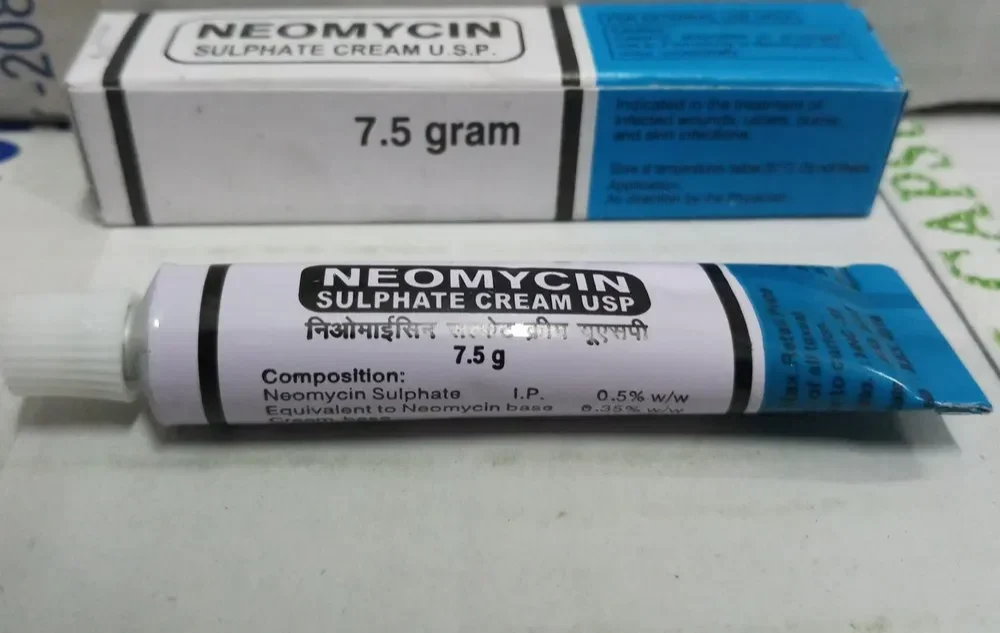
Neomycin and polymyxin B sulfates are two powerful antibiotics that are commonly used in combination to treat a range of bacterial infections. Their synergistic properties make them especially effective in topical and ophthalmic preparations. In this article, we provide an in-depth look at these antibiotics—exploring their history, mechanism of action, clinical uses, safety considerations, and the evolving landscape of antibiotic resistance.
1. Introduction to Neomycin and Polymyxin B Sulfates
Neomycin and polymyxin B sulfates are both classified as aminoglycoside and polypeptide antibiotics, respectively. They are frequently combined in topical formulations to provide broad-spectrum antibacterial coverage. The most familiar product containing these agents is the triple antibiotic ointment (often combined with bacitracin), which is widely used for minor skin injuries, eye infections, and sometimes ear infections.
2. Historical Background
Neomycin was discovered in the 1940s by Selman Waksman, who also discovered streptomycin. Polymyxin B was isolated around the same time from Bacillus polymyxa. Both antibiotics revolutionized the treatment of infections before the widespread emergence of bacterial resistance. Their topical application remains popular because of their effectiveness and relatively low risk of systemic side effects when not absorbed in large amounts.
3. Mechanism of Action
Neomycin
Neomycin is an aminoglycoside antibiotic. It acts primarily by binding to the 30S subunit of the bacterial ribosome, thereby inhibiting protein synthesis. This action leads to bacterial cell death. Neomycin is especially effective against many Gram-negative and some Gram-positive bacteria, but it is not effective against Pseudomonas aeruginosa.
Polymyxin B
Polymyxin B is a polypeptide antibiotic that interacts with the phospholipids in the bacterial cell membrane. This interaction disrupts membrane integrity, leading to leakage of cellular contents and cell death. Polymyxin B is particularly potent against Gram-negative organisms, including Pseudomonas aeruginosa, making it a valuable partner to neomycin.
4. Clinical Uses
Topical Applications
The combination of neomycin and polymyxin B sulfates is most commonly found in ointments, creams, and eye drops. These formulations are used for:
- Minor cuts, burns, and abrasions
- Superficial skin infections such as impetigo
- Prevention of infections in minor wounds
Ophthalmic and Otic Preparations
In ophthalmology, these antibiotics are used to treat:
- Bacterial conjunctivitis
- Blepharitis (eyelid inflammation)
- Prevention of eye infections after surgery
In otic (ear) solutions, they help manage:
- External ear infections (otitis externa)
- Chronic ear discharge (otorrhea)
Veterinary Medicine
These antibiotics are also used in animal health for the treatment of skin, eye, and ear infections in pets and livestock.
5. Safety and Side Effects
Allergic Reactions
Neomycin is known to cause allergic contact dermatitis in some individuals, leading to redness, itching, and swelling. People with a history of sensitivity to aminoglycosides should avoid products containing neomycin.
Systemic Toxicity
Although systemic absorption is minimal with topical use, prolonged or excessive application—especially on large wounds or broken skin—can lead to absorption and potential nephrotoxicity (kidney damage) or ototoxicity (hearing loss), particularly with neomycin. Polymyxin B, when absorbed systemically, also carries a risk of nephrotoxicity and neurotoxicity.
Local Reactions
Burning, stinging, or redness at the application site may occur. If symptoms persist or worsen, discontinuation and medical evaluation are advised.
6. Antibiotic Resistance
The increasing use of topical antibiotics has contributed to the rise in resistant bacterial strains. Both neomycin and polymyxin B are susceptible to resistance mechanisms, such as enzymatic degradation or changes in bacterial membrane permeability. It is essential to use these antibiotics judiciously and only when clearly indicated, to slow the development of antibiotic resistance.
7. Contraindications and Precautions
- Hypersensitivity: Individuals allergic to aminoglycosides, polymyxins, or any component of the formulation should avoid use.
- Pregnancy and Breastfeeding: Topical use is generally considered safe when used as directed, but it is always best to consult a healthcare provider.
- Extensive Wounds or Burns: Avoid prolonged use on large areas to reduce the risk of systemic toxicity.
- Pediatric and Elderly Patients: Use with caution, as skin permeability and risk of adverse effects can be higher in these populations.
8. Appropriate Use and Application
To maximize benefits and minimize risks:
- Clean the affected area before application
- Apply a thin layer as directed (usually 1-3 times daily)
- Avoid contact with eyes unless the preparation is specifically formulated for ocular use
- Do not use for prolonged periods without medical advice
9. Combination with Other Antibiotics
Neomycin and polymyxin B are often combined with bacitracin (as in the well-known triple antibiotic ointment) to broaden antibacterial coverage. This combination covers a wide spectrum of common skin pathogens, including Staphylococcus and Streptococcus species as well as Gram-negative bacteria.
10. Availability and Formulations
These antibiotics are widely available over the counter and by prescription, depending on the formulation and country. Common preparations include:
- Topical ointments and creams
- Ophthalmic and otic solutions
- Veterinary products
11. Alternatives and Emerging Therapies
For individuals allergic to neomycin or those with resistant infections, alternative topical antibiotics include mupirocin, fusidic acid, or gentamicin. For Gram-negative infections not responsive to standard therapy, newer agents and antiseptics are being studied.
12. Patient Education and Best Practices
Educating patients on the proper use of neomycin and polymyxin B sulfates is essential for optimal outcomes:
- Do not use these antibiotics for viral or fungal infections
- Discontinue use if signs of allergic reaction occur
- Store medications as instructed, usually at room temperature
13. The Future of Topical Antibiotics
Research continues into novel formulations and combinations to combat resistance and expand the spectrum of activity. The future may see more personalized therapies based on microbiological testing and advances in drug delivery systems.
14. Conclusion
Neomycin and polymyxin B sulfates remain valuable tools in the management of bacterial skin, eye, and ear infections. When used appropriately, they are safe and effective. However, awareness of potential side effects, the risk of resistance, and the importance of proper application is vital for both healthcare providers and patients. By following best practices and staying informed about new developments, we can ensure that these antibiotics continue to offer benefits for years to come.