Abdul haye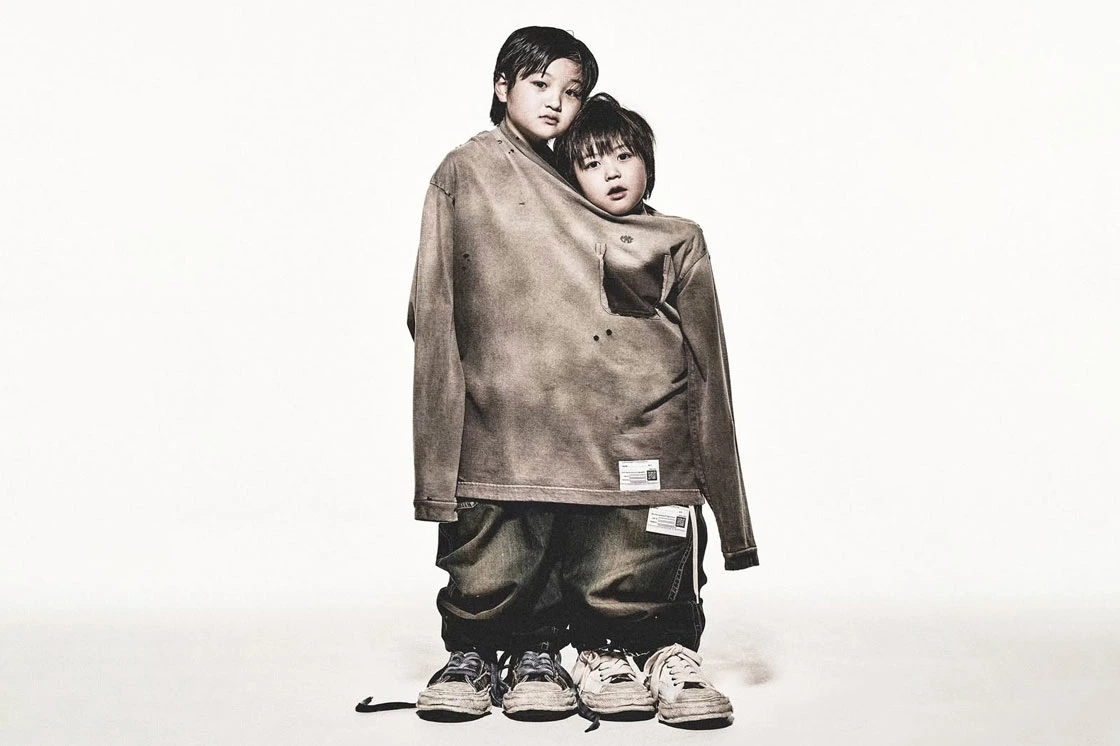
Within the intricate tapestry of global fashion, few brands have managed to bridge the divide between avant-garde artistry and streetwear accessibility as seamlessly as Maison Mihara Yasuhiro. Founded by the Japanese designer Mihara Yasuhiro, this label has become synonymous with experimental silhouettes, deconstructed aesthetics, and an irreverent approach to both high and casual fashion. Maison Mihara is now a fixture in the wardrobes of fashion enthusiasts, celebrities, and collectors worldwide. This article explores the origins of Maison Mihara, its signature design philosophy, notable collaborations, and its enduring impact on fashion culture.
Origins: The Journey of Mihara Yasuhiro
Mihara Yasuhiro’s journey into the world of fashion began in Nagasaki, Japan, where he was born in 1972. He later moved to Tokyo to study at Tama Art University, one of Japan’s most prestigious art and design institutions. While still a student in the late 1990s, Mihara launched his first footwear line, marking his debut with a collection that showcased his unique perspective on sneaker design. His early work was characterized by innovative material choices, playful forms, and an artistic irreverence that set him apart from his contemporaries.
In 1997, Mihara Yasuhiro officially founded his namesake brand. Initially focused on shoes, his label quickly garnered attention for its inventive reinterpretation of classic sneakers. These early successes laid the foundation for the expansion of his brand beyond footwear, leading to the launch of ready-to-wear collections and, eventually, the international Maison Mihara Yasuhiro label.
Maison Mihara: Fusion of Avant-Garde and Streetwear
Maison Mihara’s identity is rooted in the designer’s fascination with subversion and contradiction. The brand’s collections are often described as “deconstructed streetwear,” blending elements of high fashion with the comfort and utility of everyday attire. Mihara is known for taking familiar wardrobe staples—such as denim jackets, sweatshirts, and especially sneakers—and reimagining them with unexpected twists.
This approach is most evident in the brand’s footwear. Maison Mihara Yasuhiro’s signature sneakers are instantly recognizable: intentionally “distorted” rubber soles, exaggerated proportions, and rough edges give the shoes an unfinished, sculptural quality. The sneakers often appear hand-molded, with soles that seem to melt or bulge, challenging the conventions of mass-produced footwear. This design language not only signals a rejection of perfectionism but also makes each pair feel unique.
In apparel, Mihara’s collections often feature asymmetric cuts, patchwork constructions, exposed seams, and garments that appear to be inside-out or “in-progress.” The result is clothing that feels simultaneously familiar and avant-garde—pieces that celebrate imperfection and individuality.
Signature Pieces and Iconic Collections
While Maison Mihara produces a wide range of fashion items, several pieces have emerged as icons in their own right:
- Original Sole Sneakers: Perhaps the most famous Maison Mihara product, these sneakers feature the designer’s signature “clay-molded” soles. Styles such as the OG Sole Canvas, OG Sole Blakey, and OG Sole Peterson have achieved cult status among sneakerheads and fashion fans alike.
- Deconstructed Denim: Mihara’s jeans and jackets often feature irregular washes, patchwork, and raw hems, reinventing a classic staple.
- Oversized Outerwear: The brand’s coats and jackets are known for their exaggerated proportions and layered construction, blending functionality with dramatic flair.
- Hybrid Garments: Many pieces combine elements of multiple garments—such as hoodies fused with blazers or shirts pieced together with sweatshirts—reflecting Mihara’s penchant for playful hybridity.
Each collection is presented with a sense of theatricality, often accompanied by runway shows that blur the line between fashion and performance art.
Collaborations and Cross-Cultural Appeal
Maison Mihara Yasuhiro’s collaborations have played a significant role in expanding its global reach. Over the years, the brand has teamed up with a variety of partners, ranging from sportswear giants to luxury labels. Notable collaborations include:
- PUMA: Mihara Yasuhiro’s long-running partnership with PUMA began in 2000, resulting in a series of innovative sneakers that fused PUMA’s athletic heritage with Mihara’s experimental approach.
- Moncler Genius: As part of the Moncler Genius project, Mihara contributed to a collection that married Moncler’s technical outerwear with his own avant-garde sensibility.
- Other Brands: Collaborations with brands such as Hankyu, Fragment Design, and G-Shock have further cemented Maison Mihara’s status as a cross-cultural tastemaker.
These partnerships highlight Mihara’s versatility and his ability to bridge the worlds of sportswear, luxury, and street fashion.
Maison Mihara in Streetwear and Pop Culture
The rise of streetwear as a dominant force in global fashion has dovetailed with Maison Mihara’s ascent. The brand’s sneakers, in particular, have become must-haves for sneaker collectors, stylists, and celebrities. Their distinctive look is regularly spotted on musicians, athletes, and influencers, appearing in street style photography and on social media.
Maison Mihara’s influence also extends into art and youth culture. The brand’s playful irreverence and embrace of imperfection resonate with a generation seeking authenticity and self-expression. Mihara’s designs challenge the boundaries of what is considered “beautiful” or “finished,” inviting wearers to embrace individuality and creativity.
Sustainability and Ethical Considerations
In recent years, the fashion industry has faced increasing scrutiny regarding sustainability and ethical production. While Maison Mihara is primarily celebrated for its design innovation, the brand has also taken steps toward more responsible practices, including the use of upcycled materials and small-batch production. Mihara’s emphasis on craftsmanship and the unique, almost artisanal quality of his garments align with a slower, more considered approach to fashion.
Maison Mihara’s Global Expansion
Maison Mihara Yasuhiro has established a strong international presence, with flagship stores in Tokyo and a growing list of stockists in cities such as Paris, London, New York, and Shanghai. The brand regularly presents at Paris Fashion Week, where its collections attract critical acclaim and global media coverage.
E-commerce and social media have also played a crucial role in expanding Maison Mihara’s reach. Online platforms allow fans worldwide to access the brand’s latest releases, while digital campaigns and collaborations keep the label at the forefront of contemporary fashion discourse.
Maison Mihara and Japanese Fashion Legacy
Maison Mihara Yasuhiro joins a lineage of influential Japanese designers who have reshaped the global fashion landscape, such as Rei Kawakubo (Comme des Garçons), Yohji Yamamoto, and Issey Miyake. Like his predecessors, Mihara challenges Western notions of tailoring, proportion, and finish, offering a distinctly Japanese perspective that values imperfection, wabi-sabi, and artistic experimentation.
Yet, Mihara’s approach is uniquely his own. While many Japanese avant-garde designers favor monochrome palettes and architectural forms, Mihara’s work often incorporates humor, pop culture references, and a streetwise sensibility. This fusion of the serious and the playful is key to Maison Mihara’s enduring appeal.
Conclusion
Maison Mihara Yasuhiro stands as a beacon of innovation in contemporary fashion, blending avant-garde artistry with everyday wearability. The brand’s commitment to experimentation, individuality, and craftsmanship has earned it a devoted global following and a place among the most influential labels of the 21st century.
Whether through its signature sneakers, deconstructed garments, or boundary-pushing collaborations, Maison Mihara continues to challenge conventions and inspire new ways of thinking about clothing. In doing so, it invites us all to embrace imperfection, celebrate creativity, and make fashion a personal, transformative experience.