Abdul haye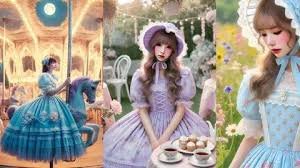
Lolita fashion is more than just a clothing trend—it is a cultural phenomenon rooted in Japan that has captivated enthusiasts worldwide. With its intricate designs, detailed craftsmanship, and rich symbolism, Lolita fashion stands apart from mainstream fashion, combining Victorian elegance with a playful, youthful aesthetic. In this comprehensive guide, we explore everything you need to know about Lolita fashion, from its origins to the defining elements, substyles, and tips for mastering this unique look.
The Origins and Evolution of Lolita Fashion
Lolita fashion emerged in Japan during the 1980s and 1990s, inspired by Rococo and Victorian-era clothing. It draws heavily on the aesthetics of modesty, femininity, and nostalgia for a romanticized European past. The term “Lolita” itself references the idea of youthful innocence and charm, though the fashion has no direct relation to the controversial novel of the same name.
Early pioneers like Manami Okazaki and Miyako Kawaguchi popularized the style in the 1990s through magazines such as FRUiTS and Gothic & Lolita Bible. Since then, Lolita fashion has developed into a diverse and global subculture, influencing everything from street fashion to music and art.
Core Elements of Lolita Fashion
At its heart, Lolita fashion is characterized by an emphasis on modesty, refinement, and detailed craftsmanship. The following components form the backbone of any authentic Lolita outfit:
1. Dresses and Skirts
Central to Lolita fashion are knee-length, full skirts or dresses with a bell-shaped silhouette created by wearing a petticoat or crinoline underneath. The fullness of the skirt is essential, evoking the grandeur of the Victorian era while maintaining a youthful vibe.
2. Blouses and Tops
Often paired with skirts, Lolita blouses feature high necklines, puffed sleeves, lace trims, and ruffles. The use of delicate fabrics like chiffon, cotton, and lace adds a touch of elegance and softness to the overall look.
3. Accessories
Accessories play a pivotal role in completing a Lolita outfit. Key items include headwear (bows, bonnets, headdresses), knee-high socks or stockings, gloves, and handbags designed with matching motifs. Shoes are typically Mary Janes, tea party shoes, or platform shoes, often adorned with bows or buckles.
4. Fabrics and Patterns
The fabrics used in Lolita fashion range from solid pastels to intricate prints featuring florals, sweets, classic motifs, and whimsical designs. The quality of materials is crucial, with many Lolita brands specializing in luxurious cotton, satin, and lace blends.
Popular Lolita Substyles
Lolita fashion is not monolithic but rather a rich tapestry of substyles, each with its distinct mood and features. Understanding these substyles is essential for anyone wishing to immerse themselves in this culture.
1. Classic Lolita
Classic Lolita embraces timeless elegance and sophistication. It incorporates muted colors like navy, burgundy, and cream with floral prints and delicate lace accents. The look is inspired by traditional Victorian and Edwardian fashion and is less whimsical than other substyles.
2. Sweet Lolita
Sweet Lolita is the most playful and colorful variant, featuring pastel colors like pink, baby blue, and lavender. Designs often include motifs of sweets, animals, and fairy tales, creating a doll-like, innocent appearance. Ruffles, bows, and accessories are larger and more extravagant in Sweet Lolita.
3. Gothic Lolita
Gothic Lolita merges Lolita aesthetics with dark, Victorian gothic elements. Black is the dominant color, often accented with white lace or deep reds and purples. This style emphasizes mystery and elegance, combining the softness of Lolita with gothic symbolism.
4. Punk Lolita
Punk Lolita blends the classic Lolita silhouette with punk rock influences such as tartan patterns, safety pins, and chains. It offers a rebellious edge to the otherwise demure fashion, creating a bold juxtaposition.
Styling Tips to Perfect Your Lolita Look
Creating an authentic Lolita outfit requires attention to detail and a commitment to the overall aesthetic. Here are key styling tips:
-
Fit and Proportion: Ensure your blouse and skirt proportions complement each other. The skirt length should be just above the knee, and the waist should be cinched to emphasize the silhouette.
-
Layering: Layer lace-trimmed socks or tights with bloomers underneath to maintain modesty and complete the look.
-
Hair and Makeup: Hairstyles often feature curls, twin tails, or buns accessorized with bows and headdresses. Makeup should be soft and natural, focusing on rosy cheeks and subtle lip colors.
-
Brand Selection: Invest in reputable Lolita brands like Baby, The Stars Shine Bright, Angelic Pretty, and Innocent World, known for their high-quality craftsmanship and authentic designs.
-
Seasonal Adaptations: Adapt your wardrobe according to seasons by incorporating warmer fabrics and long sleeves in winter or lighter materials for summer Lolita outfits.
Lolita Fashion in the Global Context
Lolita fashion has transcended its Japanese origins to become a global subculture with thriving communities in North America, Europe, and beyond. Online forums, social media platforms, and conventions have facilitated the sharing of knowledge, buying, and styling tips, allowing enthusiasts to connect and celebrate their love for the fashion.
The international appeal lies in Lolita’s combination of fantasy, nostalgia, and individuality, allowing wearers to express themselves through a carefully curated aesthetic that stands out in today’s fast-fashion world.
Common Misconceptions and Respecting the Culture
It is crucial to understand that Lolita fashion is not about sexualization but about celebrating innocence, art, and craftsmanship. Misunderstandings often arise from the term “Lolita,” but in fashion circles, it strictly denotes the stylistic and cultural movement.
Respecting the culture involves:
-
Avoiding conflating Lolita fashion with inappropriate or exploitative imagery.
-
Appreciating the historical influences and artistic dedication behind the clothing.
-
Supporting the community and brands authentically without trivializing the style.
Where to Buy and How to Maintain Lolita Fashion
Due to the complexity and quality of Lolita garments, purchasing from trusted sources is essential:
-
Online boutiques and official brand websites offer the best quality and authentic pieces.
-
Secondhand markets like Closet Child and Bodyline provide affordable options.
-
Custom tailors can create bespoke Lolita dresses for a perfect fit.
Maintaining these delicate garments requires gentle hand washing, proper storage to avoid wrinkles, and careful handling of lace and embellishments to preserve the lifespan of your outfits.
Top 5 Major FAQs About Lolita Fashion
When diving into the world of Lolita fashion, many newcomers have essential questions about this unique style. Below, we answer the five most common and important FAQs to help you get started and understand Lolita fashion better.
1. What Exactly is Lolita Fashion?
Lolita fashion is a Japanese-inspired style that draws heavily from Victorian and Rococo influences. It features modest, elegant clothing with knee-length skirts or dresses supported by petticoats to create a bell-shaped silhouette. The style emphasizes details like lace, ruffles, bows, and delicate accessories to evoke a youthful, doll-like appearance.
2. What Are the Different Types or Substyles of Lolita Fashion?
Lolita fashion encompasses several substyles, each with distinct themes:
-
Sweet Lolita: Bright, pastel colors with playful prints like sweets and animals.
-
Classic Lolita: Mature, elegant, with floral patterns and muted tones.
-
Gothic Lolita: Dark colors and gothic motifs with Victorian touches.
-
Punk Lolita: A rebellious twist incorporating punk elements such as tartan and chains.
Understanding these substyles helps in selecting the right look that suits your personality.
3. How Do I Start Wearing Lolita Fashion?
Starting Lolita fashion involves learning the essential components:
-
Bell-shaped skirts or dresses with petticoats for volume.
-
Lace-trimmed blouses or dresses.
-
Key accessories like head bows, knee-high socks, and Mary Jane shoes.
It’s best to begin with a simple outfit and gradually add accessories. Purchasing from trusted Lolita brands ensures authentic quality and fit.
4. Is Lolita Fashion Expensive?
Lolita fashion can be costly due to the high quality of fabrics and detailed craftsmanship. New outfits from popular brands often range from $200 to $600 or more. However, there are budget-friendly options through secondhand markets and indie designers, making the fashion accessible to many.
5. Can Lolita Fashion Be Worn Daily or is It Only for Special Occasions?
While Lolita fashion is often worn for special events, conventions, or meetups, many enthusiasts adapt the style for everyday wear. Some opt for casual Lolita looks with simpler outfits and minimal accessories, making it practical for daily life while still embracing the aesthetic.
Conclusion: Embracing Lolita Fashion as a Lifestyle
Lolita fashion is far more than clothing—it is a lifestyle choice rooted in history, creativity, and personal expression. By understanding its origins, substyles, and cultural significance, anyone can appreciate its beauty and depth. Whether drawn to the elegance of Classic Lolita or the whimsy of Sweet Lolita, this fashion offers a unique path to embracing timeless beauty in a modern world.