Abdul haye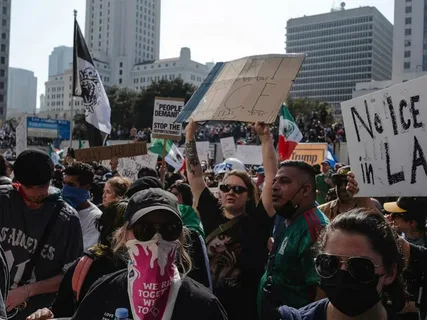
Los Angeles, the City of Angels, is a metropolis known for its cultural diversity, entertainment industry, and sprawling urban landscape. But beyond the glitz and glamour, LA has a long and storied history of protest and activism. From civil rights marches to labor strikes and modern movements for social justice, LA protests have shaped both the city’s identity and the broader national conversation. This guide offers a comprehensive look at the past and present of LA protests, exploring their origins, key moments, major causes, and the impact they continue to have today.
The Historical Roots of LA Protests
LA’s protest culture stretches back to the early 20th century. The city’s rapid growth brought together people from diverse backgrounds, but also highlighted stark inequalities. In the 1930s and 1940s, labor protests emerged as workers in the film industry, agriculture, and manufacturing demanded fair wages and conditions. The Zoot Suit Riots of 1943, though characterized by violence and racial tension, underscored the simmering conflicts between communities and authorities.
The post-World War II era saw the rise of the civil rights movement, with Los Angeles as a focal point for organizing and demonstration. The Watts Riots of 1965, triggered by systemic racism and police brutality, were a watershed moment in LA’s history, leading to nationwide calls for reform.
The 1992 Los Angeles Uprising
One of the most significant protest events in LA—and American—history was the 1992 Los Angeles uprising, often called the LA Riots. Sparked by the acquittal of four LAPD officers videotaped beating Rodney King, thousands took to the streets in frustration and anger. For six days, parts of the city were engulfed in unrest, resulting in dozens of deaths, thousands injured, and billions of dollars in damage. The uprising exposed deep-seated issues of racial inequality, policing, and justice in Los Angeles.
In the aftermath, community organizations and city leaders launched efforts to rebuild and address some of the root causes. The legacy of 1992 continues to influence activism and policing in LA to this day.
Protest Movements in the 21st Century
LA remains a hotbed of activism. In recent decades, the city has witnessed large-scale protests around immigrant rights, LGBTQ+ equality, climate change, and, most notably, the Black Lives Matter (BLM) movement.
Immigrant Rights Marches
With its large immigrant population, Los Angeles has hosted some of the largest immigrant rights demonstrations in U.S. history. In 2006, hundreds of thousands marched downtown to protest proposed federal immigration legislation. These marches have become annual events, highlighting the city’s identity as a sanctuary and the ongoing fight for comprehensive immigration reform.
Black Lives Matter and Police Reform
The BLM movement has been particularly strong in LA. Following the deaths of George Floyd, Breonna Taylor, and others, tens of thousands of Angelenos took to the streets in 2020, demanding justice and systemic change. Protests ranged from peaceful marches in Hollywood and Downtown to tense standoffs with law enforcement. These demonstrations led to changes in local policing policies and renewed discussions about racial equity in the city.
Women’s Marches and Gender Equality
Since 2017, LA has hosted massive Women’s Marches, drawing participants from across Southern California. These protests focus on gender equality, reproductive rights, and combating sexual harassment. The city’s annual marches are among the largest in the nation, reflecting LA’s role as a hub for progressive activism.
Climate Action and Environmental Justice
Climate activists in LA have organized rallies, school walkouts, and demonstrations calling for urgent action to address climate change and environmental racism. The city faces unique environmental challenges, from air pollution to wildfire risk, making environmental justice a central theme in local protests.
Where and How LA Protests Happen
Los Angeles is vast, and protests occur across the city. However, certain locations are protest landmarks:
- Downtown LA: City Hall, Pershing Square, and Grand Park often serve as rallying points.
- Hollywood: The intersection of Hollywood and Highland is another popular gathering spot.
- West LA: UCLA and Westwood host frequent student-led demonstrations.
- South LA: A center for grassroots organizing, particularly among communities of color.
Protests can range from small, targeted actions to large, citywide marches. Social media and grassroots networks play a key role in organizing, spreading information, and mobilizing supporters.
Police Response and Protest Safety
The relationship between LA’s protest movements and law enforcement is complex. The LAPD has faced criticism for its handling of demonstrations, particularly regarding the use of force, crowd control, and arrests. In response to public pressure, the city has implemented new protocols, including the deployment of community liaisons and the creation of protest observer roles.
Protest organizers emphasize safety, encouraging participants to know their rights, stay aware of their surroundings, and follow best practices for peaceful demonstration. Legal aid organizations often provide support for those detained or injured during protests.
The Role of Art and Media in LA Protests
Art and media are integral to LA’s protest culture. Murals, music, and performance art help convey messages and foster solidarity. Media coverage—both traditional and through citizen journalism—shapes public perception and can influence the outcome of protest movements.
Social media platforms like Twitter, Instagram, and TikTok enable real-time updates, amplify voices, and document events as they unfold. Hashtags and viral videos have helped LA protests gain national and global attention.
The Impact of LA Protests on Policy and Society
While not every protest leads to immediate change, LA’s activism has had a lasting impact on policy and civic life. Examples include:
- Advancements in police reform, such as body cameras and oversight commissions
- Progress in immigrant protections and sanctuary city policies
- Greater investments in affordable housing and homelessness initiatives
- Increased attention to environmental sustainability and climate resilience
Protests also foster civic engagement, inspiring new generations to vote, run for office, and get involved in their communities.
How to Participate or Support LA Protests
Whether you’re a resident or visitor, supporting LA protests can take many forms:
- Joining marches and rallies
- Donating to local advocacy groups
- Volunteering for community organizations
- Sharing information and amplifying voices online
If you attend a protest, prepare by checking local guidelines, bringing water, wearing comfortable clothing, and knowing your legal rights. Respect for the city and fellow demonstrators helps maintain the tradition of peaceful, effective activism.
Conclusion
LA protests are a vital part of the city’s fabric, reflecting its diversity, resilience, and commitment to justice. From historic uprisings to modern movements, demonstrations in Los Angeles continue to shape the city’s trajectory and inspire change far beyond its borders. Whether marching in the streets or supporting from afar, those involved in LA protests are writing the next chapter in the city’s ongoing pursuit of equality and progress.