Abdul haye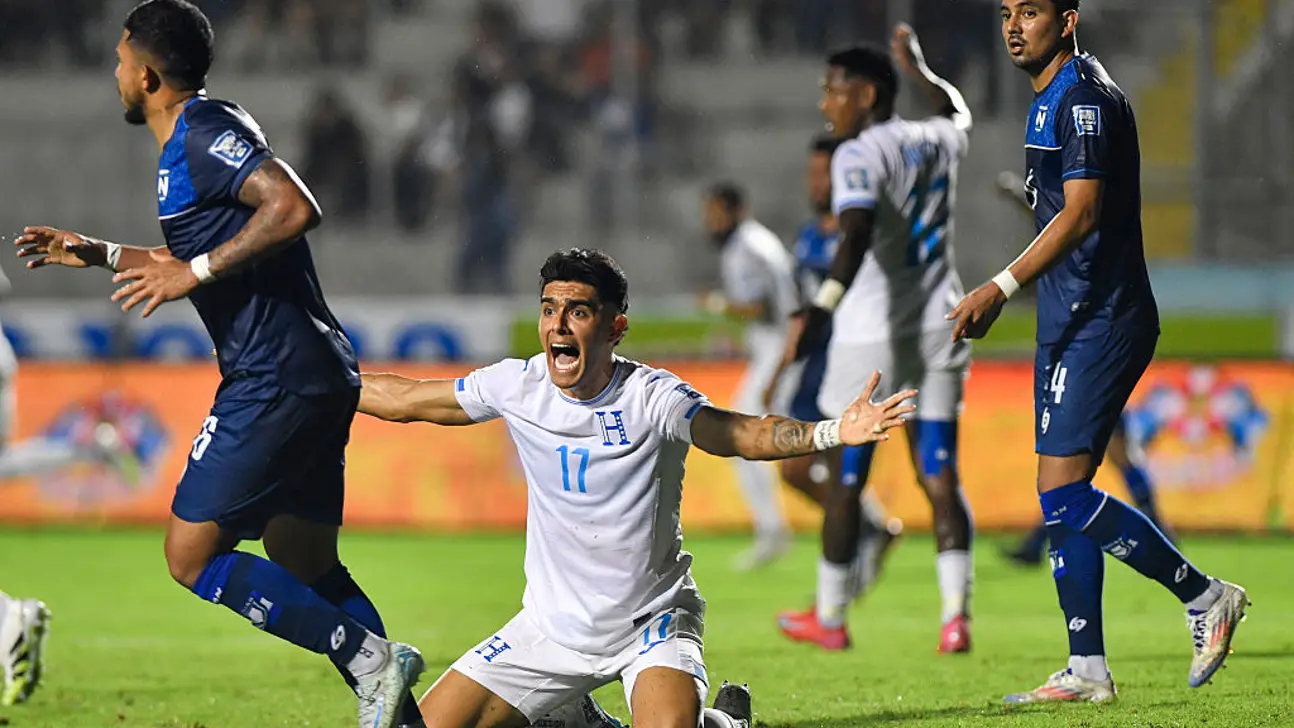
In the heart of Central America, two neighboring countries—Honduras and Nicaragua—share more than just borders. Their histories, cultures, and people are intertwined, and nowhere is this connection more passionately expressed than on the football pitch. While the rivalry between the national teams of Honduras and Nicaragua might not have the global profile of South American or European derbies, it holds deep significance for both nations and is a compelling reflection of the region’s sporting spirit. This article delves into the Honduras vs. Nicaragua football rivalry, tracing its origins, memorable moments, and broader impact on the game and society in both countries.
Historical Context: Football in Honduras and Nicaragua
Football’s Arrival and Popularity
Football, or soccer, was introduced to both Honduras and Nicaragua in the early 20th century, brought by European immigrants, returning students, and British sailors. In Honduras, the sport quickly captured the nation’s imagination, becoming the country’s most beloved pastime and a source of national pride. The Liga Nacional de Fútbol Profesional de Honduras, founded in 1964, provided a professional platform and further fueled the development of the game.
Nicaragua’s football journey has been more modest. Baseball traditionally dominated the sporting landscape, particularly along the Pacific coast, but football’s footprint grew steadily throughout the 20th century. The Nicaraguan Primera División emerged in 1933, and the national team has slowly gained traction, particularly in recent decades as football’s popularity has surged.
Political and Social Backdrop
The histories of Honduras and Nicaragua are marked by periods of political upheaval, civil conflict, and economic challenges. These struggles have influenced every facet of society, including sports. Football, in both countries, has served as a unifying outlet—a source of joy and identity through difficult times.
The Rivalry: Honduras vs. Nicaragua
Uneven Beginnings
The football rivalry between Honduras and Nicaragua is characterized by contrasting trajectories. Honduras, with a richer footballing tradition, has consistently produced talented players, qualified for multiple FIFA World Cups (1982, 2010, 2014), and enjoyed strong showings in CONCACAF tournaments. Nicaragua, by comparison, has often been seen as the underdog, with limited resources and fewer international accolades.
Despite this disparity, the matches between the two nations are never taken lightly. For Nicaragua, facing Honduras is a chance to prove their growth and challenge a regional power. For Honduras, it’s an opportunity to assert dominance and avoid the ignominy of an upset.
Notable Encounters
Early Meetings
The first official match between Honduras and Nicaragua took place in the mid-20th century during Central American regional competitions. Early results were one-sided, with Honduras often securing comfortable victories.
UNCAF and CONCACAF Championships
The rivalry frequently plays out in the Copa Centroamericana (formerly UNCAF Nations Cup) and CONCACAF Gold Cup qualifiers. Honduras’s superior football infrastructure and player pool have resulted in a dominant record, but Nicaragua has shown flashes of promise and resilience.
Recent Matches: Shifting Dynamics
In recent years, the gap between the teams has narrowed. Nicaraguan football, buoyed by increased investment and organizational reform, has produced a new generation of competitive players. Notable results include hard-fought draws and narrow defeats, signaling Nicaragua’s footballing progress.
For example, in the 2017 Copa Centroamericana, Nicaragua managed a dramatic 3-1 victory over Haiti and a narrow loss to Honduras, showcasing their improving form. Their qualification for the 2017 and 2019 CONCACAF Gold Cups marked new milestones, with matches against Honduras offering valuable experience.
Players and Key Moments
Honduras: Stars and Legends
Honduras has produced several renowned players, including:
- Carlos Pavón: The country’s all-time leading scorer, with a career spanning clubs in Mexico, Spain, and the MLS.
- Wilson Palacios: A dynamic midfielder who played for clubs like Tottenham Hotspur and Stoke City in the English Premier League.
- Amado Guevara: A legendary playmaker and former captain, instrumental in Honduras’s World Cup campaigns.
These stars, and others, have often been the difference-makers in matches against Nicaragua, bringing international experience and technical prowess to the rivalry.
Nicaragua: Rising Talents
Nicaragua’s national team has seen the emergence of noteworthy talents in recent years:
- Juan Barrera: The captain and attacking midfielder, who has played professionally in Guatemala, Venezuela, and Austria.
- Josué Quijano: A versatile defender with leadership qualities.
- Carlos Chavarría: A young striker known for his speed and finishing ability.
While Nicaragua has yet to produce globally recognized superstars, the determination and heart shown by its players have earned respect across the region.
Football Development: Contrasts and Convergences
Honduras: Tradition, Infrastructure, and Ambition
Honduras boasts a more established football infrastructure, with top clubs like Olimpia, Motagua, and Real España regularly competing in regional tournaments. The country’s youth academies and scouting networks continue to identify and nurture promising talent.
International exposure—through World Cup appearances and the migration of players to leagues abroad—has further elevated the standard of Honduran football.
Nicaragua: Overcoming Obstacles
Nicaragua’s football development has been hampered by limited funding, weaker infrastructure, and the lingering dominance of baseball. However, recent investments in youth development, coaching, and facilities have begun to bear fruit. The federation’s focus on grassroots programs and international partnerships is helping to close the gap with regional rivals.
Cultural and Social Significance
More Than a Game
Matches between Honduras and Nicaragua are more than simple sporting events. They are occasions for national pride, community celebration, and friendly rivalry. Fans gather in homes, public squares, and stadiums, draped in their country’s colors, singing, chanting, and living every moment of the match with intense passion.
Football provides a stage for expressing identity, solidarity, and hope—especially for young people who see in their national teams a reflection of their dreams and aspirations.
The Role of the Diaspora
Both countries have significant migrant communities in the United States, Spain, and beyond. Honduras vs. Nicaragua matches are major events for these diasporas, offering a connection to home and a chance to celebrate their heritage.
Looking Ahead: The Future of the Rivalry
The Honduras vs. Nicaragua rivalry continues to evolve. As Nicaragua’s football development accelerates, future matches are likely to be more competitive and unpredictable. Regional tournaments, World Cup qualifiers, and even friendlies will serve as important battlegrounds for the two teams.
For Honduras, maintaining its status as a Central American powerhouse requires ongoing investment in talent and infrastructure. For Nicaragua, every close contest or upset is another step toward footballing parity and greater regional respect.
Conclusion
The football rivalry between Honduras and Nicaragua may not have the global fame of larger nations, but to Central Americans, it represents the best of what sport can offer—passion, pride, and the eternal hope of victory against the odds. As both countries continue to grow and invest in the beautiful game, the Honduras vs. Nicaragua matchup will remain a cherished fixture, inspiring generations and forging memories that transcend the final score.