Abdul haye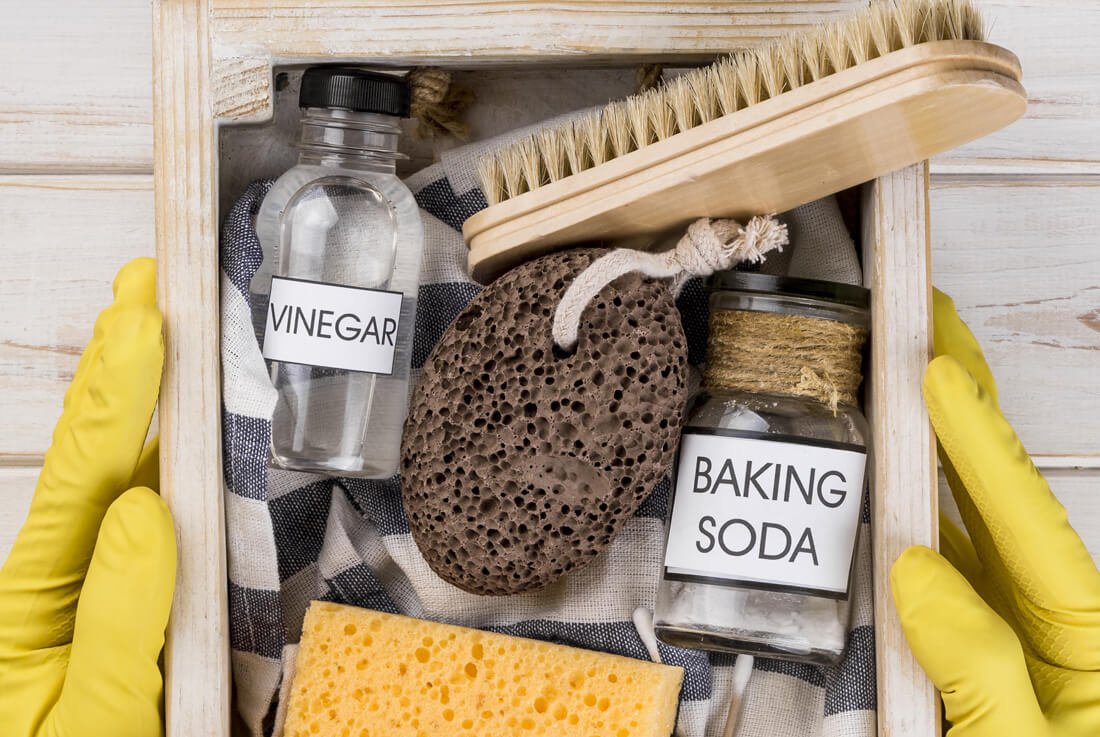
In recent years, there has been a significant shift toward natural and eco-friendly living. As part of this movement, homemade cleaning solutions have emerged as a popular alternative to commercial cleaning products. These DIY cleaners offer a range of benefits—they’re non-toxic, affordable, customizable, and environmentally friendly. In this comprehensive guide, we’ll explore everything you need to know about homemade cleaning solutions: their advantages, essential ingredients, recipes for every room, safety tips, and more.
Why Choose Homemade Cleaning Solutions?
1. Health and Safety
Many store-bought cleaning products contain harsh chemicals, artificial fragrances, and allergens that can irritate the skin, eyes, and respiratory system. Homemade solutions allow you to control the ingredients, reducing exposure to toxins and creating a safer environment for children and pets.
2. Environmental Impact
DIY cleaners often use biodegradable ingredients that are less harmful to the environment. By making your own, you also cut down on plastic packaging and reduce your carbon footprint.
3. Cost Savings
Homemade cleaning solutions are incredibly affordable. Most recipes use common household items—like vinegar, baking soda, and lemon juice—which cost far less than specialty cleaning products.
4. Customization
You can tailor homemade cleaners to suit your needs or preferences, adding essential oils for fragrance or extra ingredients for tough jobs.
Essential Ingredients for Homemade Cleaners
Most homemade cleaning recipes require just a few basic ingredients. Here are the essentials:
- White Vinegar: A natural disinfectant and deodorizer. It cuts through grease, removes mineral deposits, and neutralizes odors.
- Baking Soda: A gentle abrasive that scrubs away grime and neutralizes odors.
- Castile Soap: A plant-based, biodegradable soap suitable for general cleaning.
- Lemon Juice: Natural acid that dissolves stains, cuts grease, and leaves a fresh scent.
- Hydrogen Peroxide: A mild disinfectant and stain remover.
- Essential Oils: Such as tea tree, lavender, eucalyptus, or lemon, for fragrance and additional antibacterial properties.
- Olive Oil: Polishes wood and conditions surfaces.
- Cornstarch: Useful for cleaning windows and polishing furniture.
- Water: The universal solvent for diluting and mixing.
Basic Recipes for Homemade Cleaning Solutions
1. All-Purpose Cleaner
- 1 cup white vinegar
- 1 cup water
- 10-20 drops essential oil (optional)
Mix in a spray bottle. Use on countertops, appliances, and most hard surfaces. Avoid use on natural stone, as vinegar can damage it.
2. Glass and Mirror Cleaner
- 1 cup water
- 1 cup vinegar
- 1 tablespoon cornstarch
Shake well before each use. Spray on glass or mirrors and wipe with a microfiber cloth for a streak-free shine.
3. Kitchen Degreaser
- 2 cups warm water
- 1 tablespoon baking soda
- 1 teaspoon castile soap
- 10 drops lemon essential oil
Combine in a spray bottle. Spray on greasy surfaces and wipe clean.
4. Bathroom Cleaner
- ½ cup baking soda
- ¼ cup hydrogen peroxide
- 1 teaspoon castile soap
Mix into a paste. Apply to sinks, tubs, or tiles, scrub with a brush, then rinse.
5. Toilet Bowl Cleaner
- ½ cup baking soda
- ½ cup vinegar
Pour baking soda into the bowl, followed by vinegar. Let fizz for 10 minutes, scrub, then flush.
6. Floor Cleaner
- 1 gallon hot water
- ¼ cup white vinegar
- 1 tablespoon castile soap
Mop floors as usual. Safe for tile, vinyl, and laminate; avoid on hardwood with excessive water.
Specialty Cleaners for Tough Jobs
1. Mold and Mildew Remover
- 1 cup hydrogen peroxide (3%)
- 1 cup water
Spray on affected areas, let sit for an hour, then scrub and rinse.
2. Wood Polish
- ¼ cup olive oil
- ¼ cup vinegar
- 10 drops lemon essential oil
Mix in a small container. Apply with a soft cloth, buffing to a shine.
3. Carpet Freshener
- 1 cup baking soda
- 10 drops essential oil
Sprinkle on carpets, let sit 15 minutes, then vacuum.
Tips for Using Homemade Cleaners Safely
- Test First: Always test homemade solutions on a small, inconspicuous area.
- Label Clearly: Store homemade cleaners in labeled containers to avoid confusion.
- Avoid Mixing Certain Ingredients: Never mix vinegar with bleach or hydrogen peroxide, as it can create toxic gases.
- Store Properly: Keep solutions out of reach of children and pets.
- Use Fresh Ingredients: Some mixtures (like those with hydrogen peroxide) lose potency over time, so make small batches.
Eco-Friendly Cleaning Habits
- Use reusable cloths and mop heads instead of disposables.
- Repurpose old T-shirts as cleaning rags.
- Refill spray bottles instead of purchasing new ones.
- Compost lemon peels and baking soda after use.
Homemade Cleaning Solutions for Every Room
Kitchen
- Countertops: All-purpose cleaner (avoid vinegar on stone surfaces)
- Sink: Baking soda scrub
- Fridge: Wipe shelves with a mix of vinegar and water
- Microwave: Heat a bowl of water and lemon slices for five minutes, then wipe down interior
Bathroom
- Toilet: Baking soda and vinegar fizz
- Shower: Paste of baking soda and castile soap for tiles
- Mirrors: Vinegar-based glass cleaner
Living Room
- Floors: Vinegar and castile soap solution
- Furniture: Olive oil and vinegar wood polish
- Carpets: Baking soda freshener
Bedroom
- Mattress: Sprinkle with baking soda, let sit, then vacuum
- Closets: Place a small container of baking soda to absorb odors
The Science Behind Homemade Cleaners
- Vinegar dissolves mineral deposits and breaks down grime due to its acidity.
- Baking Soda acts as a gentle abrasive and neutralizes odors through a chemical reaction with acids.
- Hydrogen Peroxide releases oxygen, breaking down stains and acting as a disinfectant.
- Essential Oils have natural antibacterial and antifungal properties, depending on the type.
The Downsides: When to Use Caution
While homemade cleaning solutions are effective for most household tasks, there are some limitations:
- They may not kill all types of bacteria/viruses as thoroughly as some commercial disinfectants.
- Vinegar is not recommended for granite, marble, or natural stone surfaces.
- Some natural ingredients can cause allergic reactions—always test first.
- For mold infestations larger than 10 square feet, professional remediation is recommended.
Conclusion: Clean Smarter, Live Healthier
Homemade cleaning solutions offer a practical, affordable, and eco-conscious way to keep your home sparkling. With just a handful of pantry staples, you can tackle dirt, grime, and odors in every room—without exposing your family to harsh chemicals. By adopting homemade cleaners and green cleaning habits, you’ll create a safer and more sustainable living environment while saving money and reducing waste. Start small, experiment with recipes, and discover the satisfaction of a naturally clean home.