Abdul haye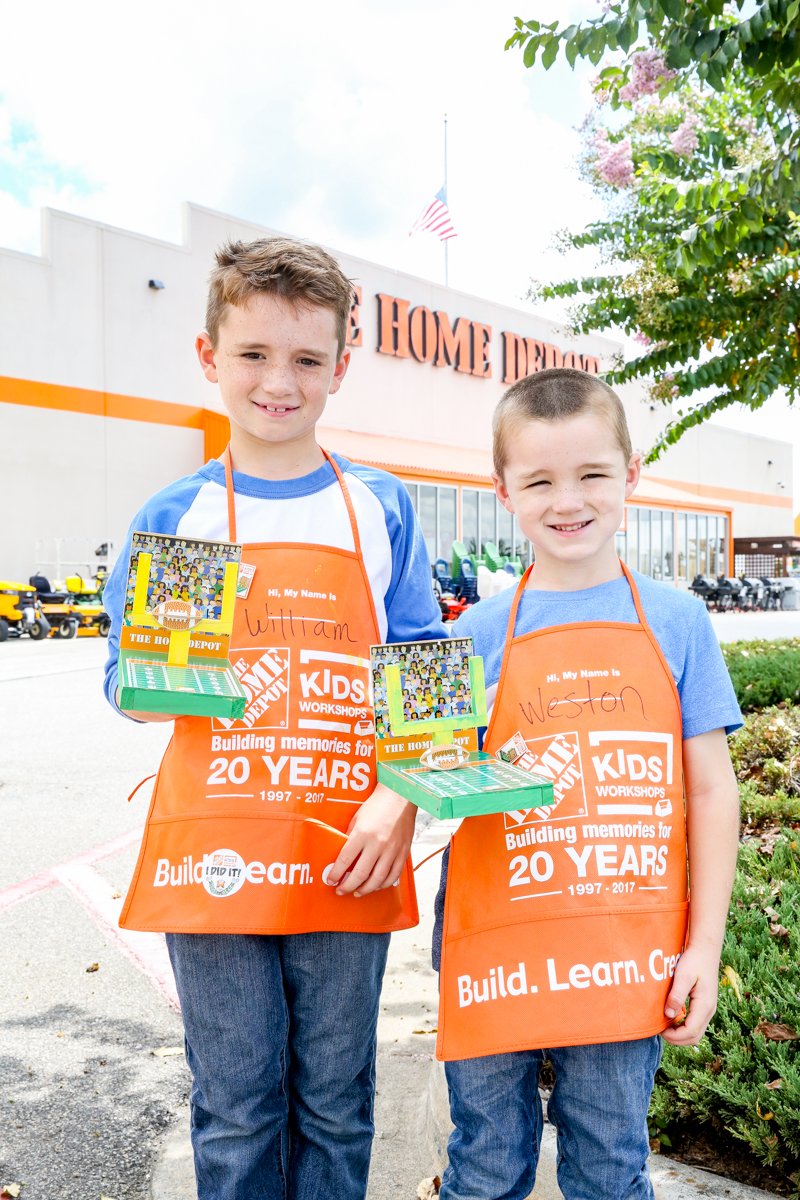
The Home Depot Kids Workshop is more than just a fun weekend activity—it’s an innovative, hands-on learning experience that has inspired millions of young builders across North America. For over two decades, Home Depot has invited families into its stores to participate in these complimentary workshops, where children learn practical skills, foster creativity, and create cherished memories. In this comprehensive guide, we’ll explore the history, educational benefits, project examples, and tips for making the most of the Home Depot Kids Workshop experience.
The History and Mission of Home Depot Kids Workshop
Launched in 1997, Home Depot Kids Workshop were designed to give children ages 5-12 the chance to build simple, themed projects under adult supervision. The mission is to empower kids with basic DIY skills and a sense of accomplishment, while also strengthening family bonds through shared experiences. The workshops have become a cherished tradition in many communities, with some families making them a monthly ritual.
How the Kids Workshop Works
Workshops are typically held on the first Saturday of every month in participating Home Depot stores. Sessions are free, but registration is often required in advance due to the popularity of the program. Each child receives a kit with all necessary materials, a child-sized Home Depot apron, and a collector’s pin for that month’s project. At the end of the workshop, kids take their completed creation home—a tangible reminder of their achievement.
Types of Projects: Fun Meets Function
Projects are designed to be age-appropriate, safe, and educational. Past projects have included:
- Birdhouses
- Toolboxes
- Fire trucks
- Periscopes
- Picture frames
- Planter boxes
- Miniature games and toys
- Holiday-themed crafts (like ornaments or Valentine’s mailboxes)
Each project introduces new skills, such as hammering, gluing, painting, and following simple instructions. Some projects are even tied to community themes or partnerships, like building model fire trucks during Fire Safety Month in collaboration with local fire departments.
Educational Benefits of the Program
The Home Depot Kids Workshop offers a wealth of benefits that extend far beyond the store walls:
- STEM Skills: Projects often introduce concepts in science, technology, engineering, and math.
- Fine Motor Development: Children improve hand-eye coordination through hands-on building.
- Following Directions: Step-by-step instructions help kids learn sequencing and problem-solving.
- Creativity: Many projects encourage personalization with paint, stickers, and markers.
- Confidence Building: Completing a project boosts self-esteem and encourages a can-do attitude.
- Teamwork: Children and parents/guardians work together, strengthening communication and cooperation.
Community Impact and Partnerships
Home Depot Kids Workshops don’t just benefit individuals—they also make a positive impact on local communities. The company often partners with schools, first responders, and nonprofit organizations to promote safety, learning, and volunteerism. For example, workshops may coincide with National Fire Safety Month or Earth Day, aligning projects with important community causes.
How to Register for a Home Depot Kids Workshop
- Visit the Home Depot website’s Kids Workshop page.
- Find your local store and upcoming workshop dates.
- Register online in advance, as spaces are limited and workshops fill up quickly.
- Arrive early on the day of the event to check in and get your project kit.
Virtual and At-Home Options
During the COVID-19 pandemic, Home Depot adapted by offering Kids Workshop kits for pickup, allowing families to complete projects at home. While in-person workshops have resumed in most locations, at-home kits remain popular for families with busy schedules or those seeking flexible, screen-free activities.
Tips for a Great Workshop Experience
- Dress for Mess: Building and painting can get messy—wear clothes that can handle a little sawdust or paint.
- Supervise and Encourage: Parents are encouraged to guide, but let kids do as much as possible independently.
- Take Photos: Capture the moment—each project is a milestone in your child’s learning journey.
- Celebrate Completion: Give positive feedback and display finished projects at home.
- Collect Aprons and Pins: These keepsakes are reminders of your child’s achievements.
Why Parents and Educators Love the Program
Home Depot Kids Workshops have received praise from educators, child development experts, and parents alike. The program’s combination of hands-on learning and family bonding makes it a standout among children’s activities. It also helps introduce kids to basic safety practices, the importance of patience, and the rewards of seeing a project through to completion.
Frequently Asked Questions (FAQs)
1. What age is best for Kids Workshop? The workshops are tailored for children ages 5-12, but younger children can participate with close supervision.
2. Do I need to bring my own tools? No. All tools and materials are provided as part of the project kit.
3. How much does it cost? Workshops are free, but registration is usually required.
4. Can I take the project home? Yes! Every child leaves with their finished creation.
5. Are workshops available in all stores? Most Home Depot locations participate, but it’s best to check your local store for availability.
The Lasting Value of Home Depot Kids Workshop
In a world dominated by screens, the Home Depot Kids Workshop brings families back to the basics: working with your hands, solving problems, and celebrating DIY accomplishments. The skills, confidence, and memories built at these workshops have a lasting impact on children—and their families—for years to come.
Conclusion
The Home Depot Kids Workshop stands out as a model of hands-on education, family engagement, and community involvement. Whether you’re a parent, teacher, or simply someone passionate about youth development, these workshops offer a unique opportunity to nurture creativity, practical skills, and a love of learning. If you haven’t yet experienced a Home Depot Kids Workshop, consider registering for the next event and watch your child’s confidence and curiosity grow, one project at a time.