Abdul haye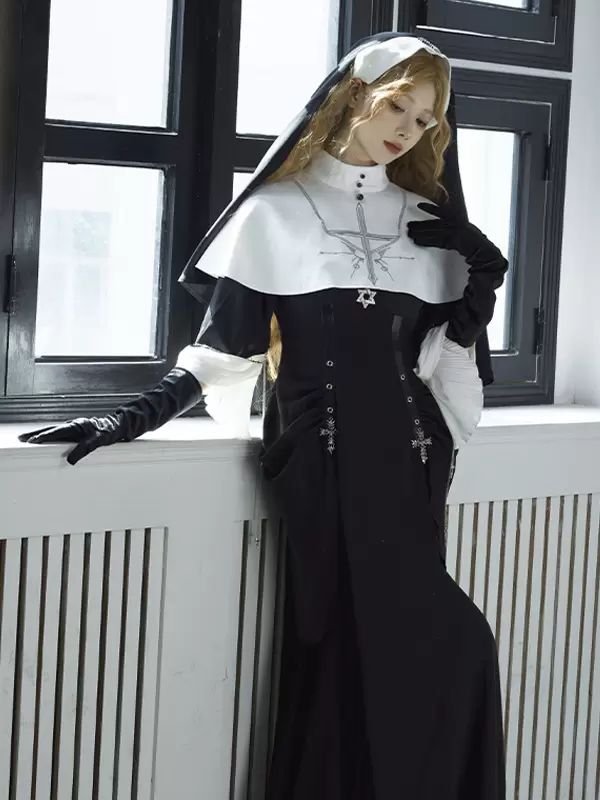
Gothic Lolita (ゴシックロリータ goshawk raita) is one of the most distinctive substyles of Lolita fashion, born in Japan in the late 1990s. It merges the innocence, frills, and doll‑like silhouette of Lolita with the moody, dramatic, often romantic elements of Gothic style. It’s more than clothing—it’s a form of aesthetic expression, identity, and even rebellion.
Origins & Cultural Context
Lolita Fashion & Visual Kei
Lolita fashion itself draws heavily from Victorian and Rococo Western fashion: petticoats, lace, ribbons, high necks, puffed sleeves. It’s rooted in the idea of elegance, femininity, modesty, and fantasy. Gothic Lolita takes all that, but adds darker tones, themes of mystery, romanticism, sometimes melancholy. The Mourning Paper+4Aesthetics+4WiseGeek+4
An important influence is Visual Kei—a Japanese music / performance subculture emphasizing theatricality, elaborate costumes, and often androgyny. Mana, guitarist for the band Malice Mizer, is central in this story. He founded the brand Moi-même‑Moitié in 1999, which helped define “Elegant Gothic Lolita” (EGL) and Elegant Gothic Aristocrat styles. Wikipedia+2AI Fashion Lab+2
Evolution Over Time
-
The late 1990s saw the emergence of Gothic elements in Lolita culture. By 2001, these combined styles became more visible in boutiques and mainstream alternative fashion stores in Tokyo. SM-201+1
-
Peak popularity in Tokyo circa 2004‑2005; after that the fashion scene diversified, but Gothic Lolita remained a stable, respected substyle. SM-201+2Aesthetics+2
-
Through magazines like Gothic & Lolita Bible, the style gained international awareness. Fans outside Japan adopted it, adapted it, and added local flavor. Wikipedia+1
Aesthetic Elements & Key Features
What makes a look specifically “Gothic Lolita”? Here are the signature components:
Color Palette & Motifs
-
Dominant colors are black, but also deep jewel tones: maroon, navy, rich purples, dark blues, occasionally dark reds. Whites or ivories used for contrast. Fashion blog+3Aesthetics+3AI Fashion Lab+3
-
Motifs include crosses, bats, skulls, coffins, religious symbolism (rosaries, crucifixes), roses (often dark or blood‑red), gothic architecture, chandeliers, and other Victorian/medieval references. Aesthetics+2Lolita Kawaii+2
Silhouette & Clothing Shapes
-
Classic Lolita silhouette: a bell‑shaped skirt, often achieved with petticoats or crinolines. JSKs (jumperskirts) or one‑piece dresses are common. The hem length is typically around the knee (or slightly below or above depending on variation). lolitafashion.fandom.com+2samjinindonesia.com+2
-
Blouses often have high collars, puffed or “bishop” sleeves, lace trims. Corset‑style bodices or lace‑up details are common to create structure. Waist is defined. ZenMarket+2Goth Clothing+2
Accessories
-
Headwear: bonnets, bows, headdresses, sometimes tiny top hats or more ornate headpieces. Aesthetics+1
-
Footwear: Mary Janes, lace‑up boots, platform shoes. Aesthetics+1
-
Stockings / socks: typically dark, often with lace or decorative patterns. Knee‑high or thigh‑high can be used. Fashion blog+1
-
Jewelry & hardware: chokers, crosses, chains, ornate buckles. Handheld parasols are also a popular prop. ZenMarket+1
Hair & Makeup
-
Hair styles vary: straight, curled, sometimes elaborate updos; often use wigs. Hairstyles may include bangs, “hime‑cut” or half‑pigtails. Aesthetics+1
-
Makeup leans dramatic: smoky eyes, dark eyeliner, sometimes bold lipstick (dark reds, maroons, purples). Skin tone often lighter; the overall look aims for that porcelain doll appearance. WiseGeek+1
Variations & Subdivisions
Gothic Lolita itself has variants, because it overlaps with other styles and because fans/adopters often mix elements.
-
Elegant Gothic Lolita (EGL): Mana’s label. More mature, aristocratic, with more structured tailoring, architectural silhouettes, more formal. Wikipedia+1
-
Elegant Gothic Aristocrat (EGA): follows similar tones but might include more menswear or gender‐neutral pieces, longer coats, jackets, etc. Aesthetics+1
-
Sometimes Gothic Lolita is blended with Classic Lolita for a more subdued or vintage effect. Or fused with Punk Lolita, depending on hardware, pattern, or attitude.
Cultural Meaning & Identity
Gothic Lolita is not just a style—it’s about identity, community, self‑expression.
-
It can be rebellion or resistance: against standardized beauty norms, expectations of maturity, typical gender roles. Dressing in Gothic Lolita allows individuals (often young people) to assert an alternative identity. Some sources mention that it offered a form of “passive resistance” in Japanese society in late 90s‑2000s. AI Fashion Lab
-
It carries an element of fantasy / escapism: Victorian past, aristocratic settings, Gothic novels. Because the style is so rich in imagery, many wearers enjoy the immersive aspect—feeling like stepping into a different era.
-
It fosters strong community: meetups, conventions, online groups. Fashion lovers share coordinate photos (“coords”), tips, DIY ideas.
How to Style Gothic Lolita (Step by Step Guide)
Here are steps or tips for someone wanting to put together a Gothic Lolita outfit.
-
Choose your color scheme
Start with black or very dark base. Accent colors in jewel tones (deep red, purple, navy) help enrich the look. White or ivory can be used as contrast (lace, collars, cuffs). -
Select the silhouette
-
Decide between JSK or OP dresses.
-
Get a good petticoat/crinoline to add volume.
-
Choose the hem length wisely (knee‑length is classic for Lolita; can go longer or just above depending on substyle).
-
-
Pick the blouse / bodice
High collar, puffed sleeves, lace detailing are good. Corset or lace‑up elements add structure. -
Add accessories
Headpiece (bonnet, bow, small hat), gloves, parasol if possible. Jewelry like chokers, cross pendants. Patterned stockings or lace tights. Shoes (Mary Janes, platform, boots) that match the aesthetic. -
Hair & makeup
Consider wigs or styled hair (curl, updo, half‑up etc.). Makeup: dramatic eyes, dark lips; keep skin lighter or even. -
The finish touches
Patterns and fabric choice matter: lace, velvet, satin, chiffon can be used. Prints that include Gothic imagery (roses, crosses, bats) can give more character. Texture layering—lace over satin, ribbons, ruffles, etc. -
Balance: don’t overdo it
Because Gothic Lolita tends toward elaborate, one or two showy elements plus supportive pieces often make for better coordination. For example: ornate headpiece + lace gloves + simpler dress rather than every piece being elaborate.
Global Spread & Local Adaptations
-
While Gothic Lolita began in Japan, it quickly spread globally—Europe, North America, Asia, etc. Through internet forums, magazines, cosplay, conventions.
-
In different places, materials and availability differ. Some use locally sourced fabrics, substitute certain accessories. In many countries the community adapts design to local weather, modesty norms, cost constraints.
-
Some fusion styles arise: blending with local traditional garments, with other subcultures (Steampunk, Dark Academia, etc.).
Challenges, Criticisms & Sustainability
-
Cost: Quality Lolita garments (especially branded ones) can be expensive, given the craftsmanship, materials, detailed sewing, etc. For many, second‑hand or DIY is common.
-
Weather & Practicality: Heavy fabrics, many layers are not always comfortable in hot, humid climates. So people adapt (lighter fabrics, less layers, modified designs).
-
Misunderstanding: Often outsiders misinterpret the style—associating “Lolita” with Nabokov’s novel (which it is not), or sexualizing the fashion, which many in the community find offensive. The style emphasizes modesty, elegance, fantasy.
-
Sustainability: As with many fashion subcultures, there’s tension around slow fashion vs fast fashion. Some brands produce in small batches; others may cut corners. Many in the Gothic Lolita community favor handmade, second‑hand, or ethically sourced pieces.
What Gothic Lolita Tells Us About Fashion & Culture
Gothic Lolita reflects several broader trends and conversations in fashion and society:
-
Fashion as identity & expression, especially among youth and subcultures.
-
Hybridization: combining Western historical fashion, Japanese street culture, musical subcultures, fantasy.
-
Escapism: providing an alternative aesthetic realm, in contrast with standard or mass fashion.
-
Community & fandom: online sharing, conventions, rituals of coordination, crafting.
Modern Status & Trends (2020s to Present)
-
The style remains active. While it may no longer make daily fashion headlines as much, the community is steady and dedicated.
-
More small brands, indie designers offering Gothic Lolita clothing made ethically or with more affordable pricing.
-
Social media plays a big role: coordination posts (coords), DIY videos, tutorials, makeup and accessory tips. TikTok, Instagram, and Pinterest are popular for showcasing and for inspiration.
-
Crossovers: Gothic Lolita blending with Dark Academia, Witchcraft aesthetics, steampunk, visual kei, Halloween and cosplay.
Conclusion
Gothic Lolita is a richly detailed, visually striking fashion subculture that offers both a powerful aesthetic and a space for self‑expression. It balances elegance and darkness, fantasy and structure. Far from being simply a “costume”, for many it’s a lifestyle or passion—assembled from silhouette, performance, craftsmanship, and identity.
If you’re thinking of trying Gothic Lolita, start small: perhaps one dress and a few accessories, learn what appeals to you most (sweet Gothic, aristocratic, more minimal, more ornate). And enjoy the journey—it’s all about creating beauty and magic, with your own twist.