Abdul haye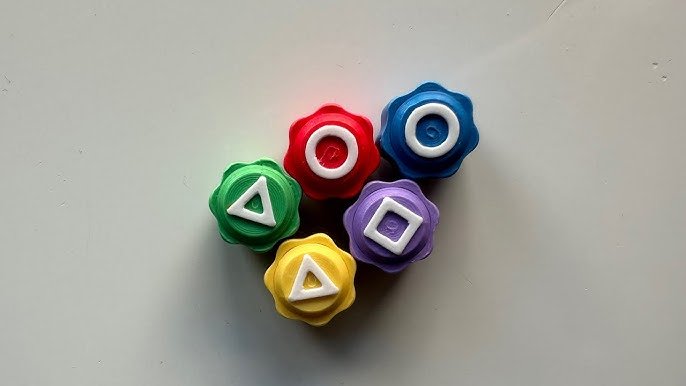
Gonggi is a beloved children’s game from Korea, known for its simplicity, portability, and the dexterity it fosters among players. Sometimes likened to “jacks” in Western cultures, this game has been enjoyed for generations and continues to entertain both kids and adults in Korea and around the world. This comprehensive article will introduce you to the history, rules, cultural significance, and strategies of the gonggi game providing everything you need to know to start playing or appreciate its enduring charm.
The Origins and History of Gonggi
Gonggi (공기놀이, gonggi nori) can trace its roots back centuries, possibly to traditional games that used small stones or seeds. Its modern form became popular in Korea in the 20th century, especially after the introduction of colorful plastic gonggi pieces. While the game’s core mechanics have remained unchanged, the materials used have evolved from natural pebbles to manufactured sets, often featuring bright colors and uniform shapes.
What You Need to Play Gonggi
The game requires minimal equipment:
- Five Gonggi Pieces: These are small, bean-shaped plastic or rubber pieces. In the past, players used small stones or seeds.
- A Flat Surface: The game is typically played on the floor or a table.
Gonggi sets are inexpensive and widely available in Korea and online, making them accessible to anyone who wants to play.
Basic Rules of Gonggi
Gonggi is played solo or with multiple participants. The aim is to complete a series of increasingly difficult stages by tossing, catching, and manipulating the gonggi pieces.
Stage 1: Scatter and Catch
- Scatter the five pieces on the playing surface.
- Toss one piece in the air, pick up one from the surface, and catch the tossed piece before it lands.
- Repeat until all pieces are collected, picking up one at a time.
Stage 2: Pick Up Two
- This time, pick up two pieces at a time while tossing and catching the airborne piece.
Stage 3: Pick Up Three and One
- Pick up three pieces in one grab, then the remaining one, each time tossing and catching a piece in the air.
Stage 4: Pick Up All Four
- Toss a piece, pick up all four remaining pieces at once, then catch the airborne piece.
Stage 5: Back of the Hand Trick
- Throw all five pieces in the air, try to catch as many as possible on the back of your hand, then toss those and catch them in your palm.
Players take turns. If you fail at any stage (miss a catch or pick up the wrong number), your turn ends and the next player goes. The one who completes all stages with the most points or fastest wins.
Advanced Techniques and Variations
Some experienced players invent variations such as:
- Speed Rounds: Competing to finish all stages the fastest.
- Sequenced Tricks: Introducing more complex tosses or requiring players to use only certain fingers.
- Scoring Systems: Awarding points for each successful stage, or for tricks like catching all pieces on the back of your hand.
Gonggi can be endlessly adapted, making it a game of both tradition and creativity.
Cultural Significance of Gonggi
Gonggi is more than just a pastime; it’s a cultural touchstone in Korea. It is commonly played during recess at school, at home, and during festivals. The game is often passed down from older siblings or parents, fostering intergenerational bonds. Its simplicity and minimal equipment make it a symbol of resourcefulness and nostalgia for many Koreans.
Benefits of Playing Gonggi
Gonggi helps develop:
- Hand-eye coordination
- Fine motor skills
- Concentration and focus
- Strategic thinking
It’s also a social activity, encouraging friendly competition and cooperation.
Gonggi Around the World
Similar games exist globally, such as “jacks” in the United States or “knucklebones” in ancient Greece. However, gonggi’s unique style and stages set it apart. In recent years, the game has gained international fans, often introduced through Korean pop culture and social media.
How to Start Playing Gonggi
All you need is a set of gonggi pieces or five small objects of similar size. Learn the stages, practice your tossing and catching, and challenge friends or family to a round. Whether you’re a child, a parent, or simply curious about Korean culture, gonggi is a delightful and accessible game for all ages.
Conclusion
Gonggi is a classic Korean game that combines skill, tradition, and fun. Its simple rules, portability, and potential for creativity ensure its place in both childhood memories and modern entertainment. Try it yourself and discover why generations have fallen in love with the timeless game of gonggi.