Abdul haye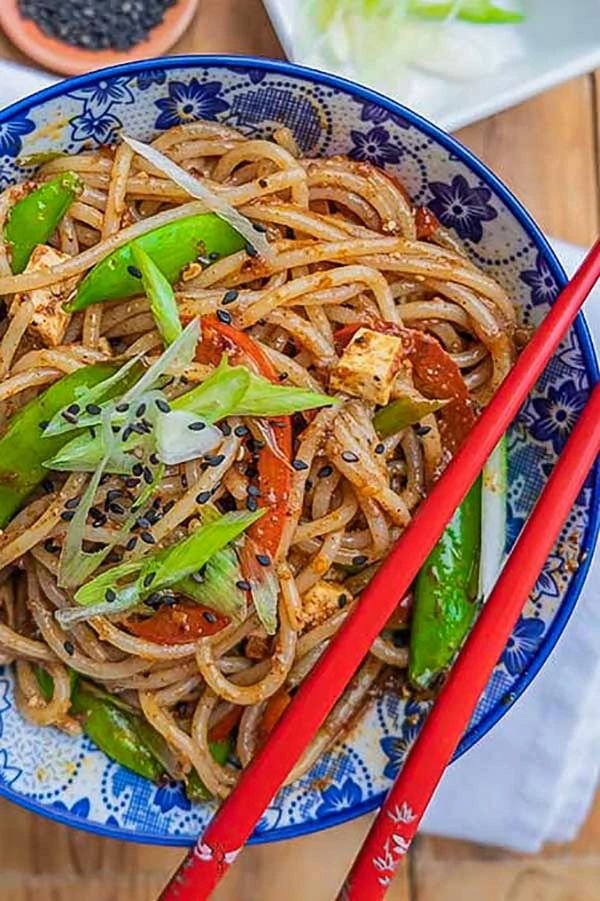
Chinese cuisine is beloved around the world for its bold flavors, variety, and comforting dishes. However, for those with celiac disease or gluten sensitivity, navigating Chinese food can be a challenge due to the frequent use of wheat-based ingredients like soy sauce, dumpling wrappers, and certain noodles. The good news is, with increased awareness of dietary needs, gluten free Chinese food is more accessible than ever—both when dining out and cooking at home. This comprehensive article explores the best gluten free Chinese food options, how to avoid hidden sources of gluten, and tips for enjoying authentic flavors safely.
Understanding Gluten in Chinese Cuisine
Gluten is a protein found in wheat, barley, and rye. In Chinese cooking, gluten commonly appears in:
- Soy Sauce: Traditional soy sauce is brewed with wheat. Tamari or certified gluten free soy sauces are safe alternatives.
- Noodles: Wheat noodles (lo mein, chow mein) are not gluten free. Rice noodles (used in dishes like chow fun and Singapore noodles) are usually safe, but check labels for additives.
- Dumplings and Buns: Most are made with wheat flour wrappers.
- Breading/Batter: Many fried dishes use wheat-based coatings.
- Oyster Sauce, Hoisin Sauce, Black Bean Sauce: Often contain wheat; always check for certified gluten free versions.
Safe Gluten Free Ingredients in Chinese Cooking
Despite these common pitfalls, Chinese cuisine offers a wealth of naturally gluten free ingredients:
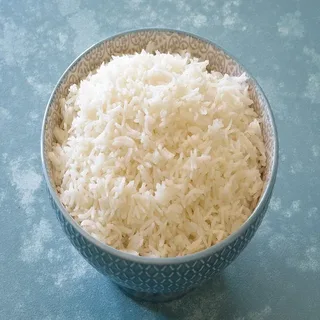
- Rice: The staple of Chinese food, plain steamed rice is always gluten free.
- Rice Noodles and Vermicelli: Used in many Cantonese and Southeast Asian dishes.
- Vegetables: Bok choy, Chinese broccoli, mushrooms, bamboo shoots, and more.
- Meat, Poultry, and Fish: When unseasoned or simply marinated with gluten free sauces.
- Tofu: Naturally gluten free, but check for cross-contamination.
- Eggs: Used in fried rice and egg drop soup.
- Legumes and Nuts: Peanuts and cashews are found in many stir fries.
Popular Gluten Free Chinese Dishes
Here are some classic dishes that are either naturally gluten free or can be easily adapted:
1. Egg Drop Soup
A comforting soup of beaten eggs in a clear broth, usually thickened with cornstarch, not flour. Ensure no soy sauce or other wheat-based thickeners are added.
2. Steamed Rice or Rice Noodles
The backbone of any gluten free Chinese meal. Pair with safe stir fries or order rice noodle-based dishes like Singapore noodles (without soy sauce).
3. Stir Fried Vegetables
Bok choy, snow peas, mushrooms, broccoli, and carrots sautéed with garlic and gluten free soy sauce or tamari.
4. Kung Pao Chicken (Gluten Free Version)
A spicy stir fry with chicken, peanuts, and vegetables. Request no soy sauce or ask for gluten free tamari. Skip any breading on chicken.
5. Moo Goo Gai Pan
A mild dish of chicken with mushrooms and vegetables in a light, gluten free sauce.
6. Ma Po Tofu (Gluten Free Version)
Silky tofu in a spicy chili and bean sauce. Confirm the sauce is gluten free.
7. Steamed Fish with Ginger and Scallions
A simple, flavorful dish often cooked with rice wine and aromatics—request no soy sauce or use tamari.
Tips for Ordering Gluten Free Chinese Food at Restaurants
- Communicate Clearly: Explain your dietary needs and ask about gluten free options. Many restaurants now have gluten free menus or can modify dishes.
- Ask About Sauces: Always confirm what sauces are used and whether gluten free versions are available.
- Request Cornstarch: Ask for cornstarch instead of wheat flour for thickening sauces or battering meat.
- Avoid Fried Foods: Even if the batter is gluten free, cross-contamination in shared fryers is possible.
- Stick to Simple Dishes: Steamed, grilled, or stir fried dishes with minimal sauces are your safest bet.
- Bring Your Own Tamari: Some seasoned gluten free diners carry a small bottle of gluten free soy sauce.
Cooking Gluten Free Chinese Food at Home
Cooking at home allows for full control over ingredients. Here are some tips:
- Stock Up on Gluten Free Sauces: Tamari, gluten free oyster and hoisin sauces, and chili oil.
- Use Rice or Glass Noodles: For chow fun, pad Thai, or stir fry dishes.
- Make Your Own Dumplings: Use rice flour or gluten free blends for wrappers.
- Fresh Ingredients: Rely on fresh vegetables, proteins, and aromatics.
Sample Recipe: Gluten Free Chicken and Broccoli Stir Fry
Ingredients:
- 1 lb boneless skinless chicken breasts, sliced
- 2 cups broccoli florets
- 1 bell pepper, sliced
- 2 cloves garlic, minced
- 2 tablespoons gluten free soy sauce (tamari)
- 1 tablespoon cornstarch
- 1/2 cup chicken broth
- 2 tablespoons oil
Instructions:
- Mix chicken with 1 tablespoon tamari and 1/2 tablespoon cornstarch; set aside.
- Heat oil in a wok or skillet. Sauté garlic, add chicken, and cook until browned.
- Add broccoli and bell pepper; stir fry until just tender.
- Mix remaining tamari, chicken broth, and cornstarch. Pour into the pan, stir until sauce thickens.
- Serve with steamed rice.
Hidden Sources of Gluten to Watch Out For
- Imitation Crab Meat (Surimi): Often contains wheat.
- Sauces and Marinades: Always check the label.
- Restaurant Prepared Meat: Sometimes pre-marinated with wheat-based sauces.
- Spring Rolls and Dumplings: Usually wheat-based wrappers.
Gluten Free Chinese Food: Brands and Products
Look for these trusted brands:
- San-J: Gluten free tamari and sauces.
- Kikkoman Gluten Free Soy Sauce
- Lee Kum Kee Gluten Free Oyster Sauce
- Annie Chun’s Rice Noodles
- Lotus Foods Rice Ramen
Enjoying Chinese Food Without Gluten: Final Thoughts
Eating gluten free doesn’t mean sacrificing the flavors or variety of Chinese cuisine. With a little knowledge and careful ingredient choices, you can enjoy everything from savory stir fries to comforting soups and even dumplings. Whether you’re dining out or cooking at home, the world of gluten free Chinese food is full of delicious, safe possibilities.