Abdul haye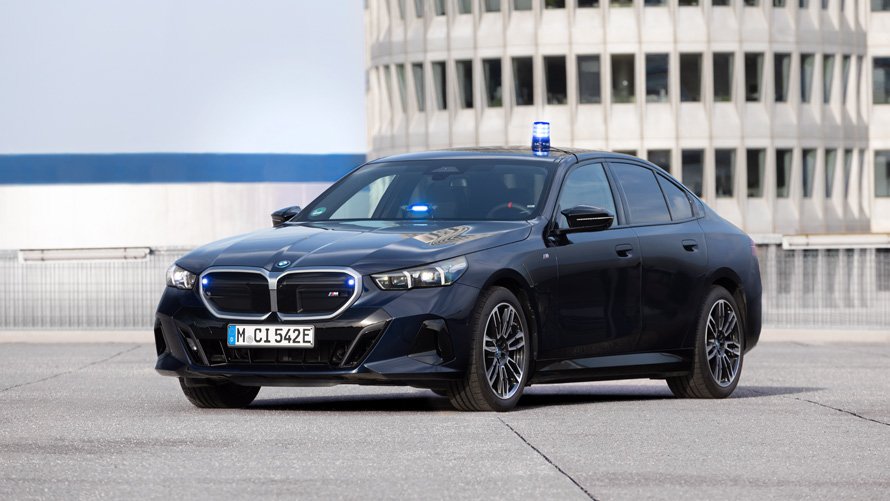
In recent years, government spending and procurement decisions have come under increasing scrutiny from the public, media, and watchdog organizations. One incident that sparked significant attention and debate was the FBI’s purchase of BMW vehicles using taxpayer dollars. This article delves into the details of the FBI BMW purchase, the criticism that followed, the government’s response, and what this controversy reveals about transparency and accountability in federal spending.
The Background: Why Did the FBI Purchase BMWs?
Federal law enforcement agencies routinely purchase vehicles for use in surveillance, undercover operations, and official travel. The FBI, as the nation’s primary investigative agency, maintains a large and diverse fleet. In this context, reports emerged that the FBI had procured a number of BMW vehicles—a move that, while not unprecedented, raised eyebrows due to BMW’s reputation for luxury and cost.
The justification provided by FBI representatives centered on operational requirements. Certain BMW models, they argued, offer performance, reliability, and features well-suited for specialized missions, including surveillance where blending in with upper-market environments is necessary. Additionally, the agency claimed that BMWs were selected through a competitive bidding process or for unique capabilities not found in standard government fleet vehicles.
Public and Political Criticism
News of the FBI’s BMW purchases quickly drew criticism from various quarters:
- Taxpayer Concerns: Critics argued that spending public funds on luxury vehicles was wasteful and sent the wrong message about government priorities, especially at a time when many Americans are dealing with economic challenges.
- Political Leaders: Several lawmakers called for investigations and demanded justification for the expenditure. They questioned whether less expensive alternatives could have fulfilled the FBI’s operational needs.
- Media Scrutiny: News outlets and commentators highlighted the controversy, with some suggesting that the purchases reflected broader issues of government waste and a lack of fiscal discipline.
- Watchdog Groups: Organizations dedicated to monitoring government spending weighed in, calling for greater transparency and more rigorous oversight of federal procurement practices.
The FBI’s Defense
In response to the criticism, the FBI emphasized several points:
- Mission Necessity: The agency explained that in certain cases, luxury vehicles are necessary for undercover operations, especially when agents must blend into specific environments without arousing suspicion.
- Procurement Process: Officials stated that all purchases were made in accordance with federal acquisition regulations, often following a competitive process to ensure value for money.
- Operational Efficiency: Some BMW models reportedly offer unique features—such as advanced safety, handling, and communications systems—that are advantageous for law enforcement tasks.
Despite these defenses, questions persisted about whether the benefits truly outweighed the costs and if the agency could have achieved its goals with less expensive vehicles.
Broader Issues: Government Spending and Public Perception
The FBI’s BMW purchases are part of a larger debate about government spending, transparency, and accountability. Key themes include:
- Perception vs. Reality: Even when luxury vehicle purchases are justified by operational needs, the optics of such spending can damage public trust in government institutions.
- Transparency: The incident highlights the importance of clear communication about why specific procurement decisions are made and how taxpayer money is spent.
- Oversight: The controversy has renewed calls for stricter oversight of federal spending, more detailed justifications for purchases, and the regular auditing of agency expenditures.
Lessons Learned and Policy Changes
In the wake of the criticism, some lawmakers have proposed reforms to federal vehicle procurement policies, including:
- More Stringent Approval Processes: Requiring additional layers of review for purchases of non-standard or high-cost vehicles.
- Mandatory Reporting: Increasing transparency by making detailed procurement reports publicly available.
- Cost-Benefit Analyses: Mandating thorough analyses to justify higher-priced purchases based on operational needs.
Whether these proposals will be implemented remains to be seen, but the FBI BMW case has already influenced the broader conversation about prudent government spending.
Conclusion: Balancing Security and Fiscal Responsibility
The controversy surrounding the FBI’s purchase of BMWs serves as a reminder of the delicate balance between operational effectiveness and fiscal responsibility. While law enforcement agencies must equip themselves for a variety of challenging missions, they also have a duty to spend taxpayer dollars wisely and transparently. As public scrutiny of government procurement continues to grow, agencies will need to justify their decisions with even greater clarity, ensuring both mission success and public trust.
Whether the FBI’s rationale for buying BMWs is ultimately vindicated or not, the episode underscores the need for ongoing vigilance, transparency, and accountability in all aspects of federal spending.