Abdul haye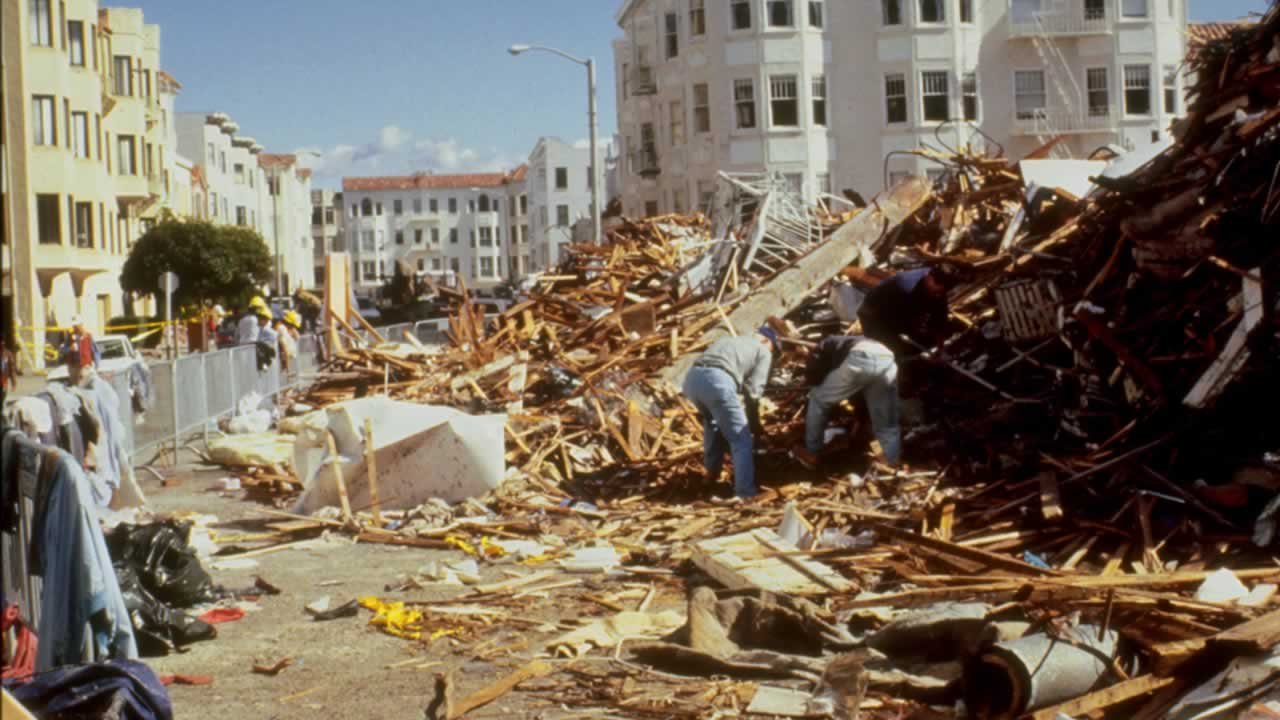
San Diego, known for its idyllic beaches, sunny weather, and vibrant culture, is also part of one of the most seismically active regions in the United States. While not as famously earthquake-prone as Los Angeles or San Francisco, San Diego’s location near major fault lines means that earthquakes—both minor and potentially significant—are a reality for its residents. This comprehensive article explores the history of earthquakes in San Diego, the science behind local seismic activity, what to expect, and how to stay prepared.
San Diego’s Earthquake Risk: The Role of Fault Lines
San Diego sits in Southern California’s tectonic cauldron, surrounded by active faults. The most significant of these is the San Andreas Fault, which runs roughly 100 miles east of the city, but several smaller yet potentially dangerous faults are even closer. The Rose Canyon Fault runs directly beneath the city, extending offshore and posing a unique risk to the urban core. Others, like the Elsinore and San Jacinto faults, also contribute to the region’s seismic landscape.
Key Faults Affecting San Diego:
- Rose Canyon Fault: Underlies downtown San Diego, capable of moderate to strong quakes.
- Elsinore Fault: Runs northeast of the city, a major Southern California fault.
- San Jacinto Fault: Among the most active in California, stretching inland.
- San Andreas Fault: The most famous, but further away from the metro area.
Notable Earthquakes in San Diego’s History
While San Diego has not experienced devastation on the scale of the 1906 San Francisco or 1994 Northridge earthquakes, it has felt its share of shaking:
- 1862 San Diego Earthquake: One of the earliest recorded, caused damage to adobe buildings.
- 1933 Long Beach Earthquake: Felt strongly in San Diego, led to changes in building codes statewide.
- 1986 Oceanside Earthquake: Magnitude 5.3, caused minor damage and rattled nerves.
- 2010 Easter Sunday Earthquake (El Mayor-Cucapah): Magnitude 7.2 in Baja California, was widely felt in San Diego and caused minor structural damage.
Minor tremors and aftershocks are common, with most causing little to no damage. However, the possibility of a larger, more destructive quake is always present.
The Science Behind San Diego’s Seismic Activity
Southern California sits at the boundary between the Pacific and North American tectonic plates. These plates are in constant motion, grinding past each other and building up stress along faults. When this stress is suddenly released, an earthquake occurs.
The Rose Canyon Fault, which runs through the heart of San Diego, is capable of producing earthquakes in the 6.0–7.0 magnitude range—enough to cause significant damage in a densely populated area. Modern studies use GPS, seismographs, and geological surveys to monitor activity and assess risk.
Earthquake Preparedness: How San Diego Stays Ready
Given the ever-present risk, San Diego’s government, emergency services, and citizens are proactive about earthquake preparedness. Here’s how:
Building Codes and Infrastructure
After past quakes, California adopted some of the strictest building codes in the country, requiring new construction to withstand seismic forces. Retrofitting older structures is an ongoing effort, especially for schools, hospitals, and bridges.
Emergency Planning
- Drills and Education: Schools, businesses, and households participate in annual earthquake drills (like the Great California ShakeOut).
- Emergency Kits: Residents are encouraged to keep supplies—food, water, medications, and first-aid—on hand for at least 72 hours.
- Communication Plans: Families and organizations develop plans for reconnecting after a quake.
Local Resources
- The San Diego County Office of Emergency Services provides up-to-date information and alerts.
- The USGS and Caltech operate networks of sensors and public reporting tools for real-time quake tracking.
What to Do During and After an Earthquake in San Diego
During an earthquake:
- Drop to the ground, take cover under a sturdy table or desk, and hold on.
- Stay away from windows, glass, and heavy objects that could fall.
- If outdoors, move to an open area away from buildings, trees, and power lines.
After an earthquake:
- Check yourself and others for injuries.
- Be prepared for aftershocks.
- Inspect your home for hazards—gas leaks, structural damage, and electrical issues.
- Listen to local news and official alerts for updates.
The Reality of Living with Earthquakes in San Diego
Most earthquakes in San Diego are minor, but the city’s population is always aware of the possibility of a larger event. Earthquake readiness is woven into daily life, from how buildings are constructed to the way families plan for emergencies.
Community Awareness
Schools integrate earthquake safety into their curricula, while local media regularly discuss preparedness. Neighborhood groups often organize safety workshops, and real estate agents inform newcomers about seismic risks and safety features in homes.
Tourism and Earthquake Risk
San Diego’s tourism industry is robust, and occasional tremors rarely impact visitors. Hotels, attractions, and convention centers are built to high safety standards, and information on earthquake preparedness is readily available for tourists.
Advances in Earthquake Science and Early Warning
California has pioneered earthquake early warning systems, including the ShakeAlert program, which uses a network of seismic sensors to detect the initial waves of a quake and send alerts to mobile devices seconds before shaking begins. While these warnings may only provide a few moments of advance notice, they can be enough to take protective action.
Researchers continue to study the region’s faults, refine risk assessments, and improve building standards. The goal is to minimize damage and loss of life in the event of a significant earthquake.
Looking Forward: Reducing Earthquake Risk in San Diego
San Diego’s combination of modern infrastructure, strict building codes, and public awareness means it is better prepared than ever for the next big quake. However, ongoing vigilance is crucial:
- Continued investment in retrofitting and upgrading older buildings
- Regular public education and participation in drills
- Expanding early warning systems and emergency response capabilities
Conclusion
Earthquakes in San Diego are a fact of life, shaped by the city’s geology, history, and proactive approach to preparedness. While the risk cannot be eliminated, understanding the science, investing in resilient infrastructure, and fostering a culture of readiness ensure that San Diego remains a safe and vibrant place to live, work, and visit. By embracing preparedness and staying informed, residents and visitors alike can face the future with confidence—no matter what the earth may bring.