Abdul haye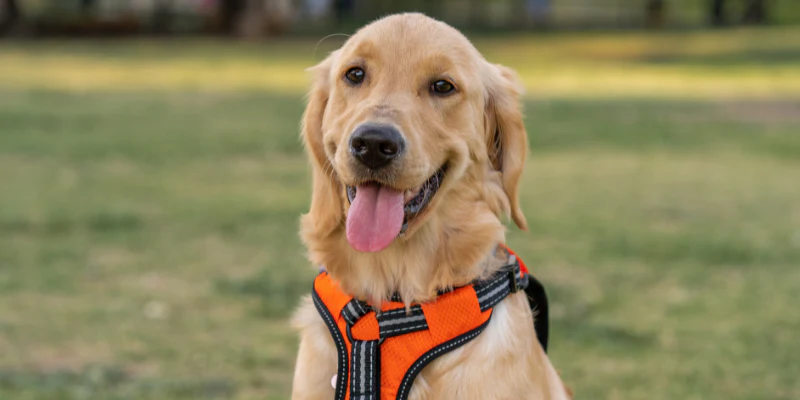
For dog owners, ensuring the safety, comfort, and well-being of their canine companions is a top priority. One essential accessory that has gained popularity over collars in recent years is the dog harness. Harnesses offer better control, reduce strain on dogs’ necks, and are available in a wide variety of designs to suit every breed and lifestyle. This article provides a comprehensive overview of dog harnesses, including their benefits, types, how to choose the right one, fitting tips, and frequently asked questions.
Why Choose a Dog Harness?
A dog harness offers several advantages over traditional collars, especially for dogs that pull, have respiratory issues, or are prone to injury. Here’s why many experts and dog owners prefer harnesses:
- Better Control: Harnesses distribute pressure across the dog’s chest and shoulders, giving owners better control during walks, especially with strong or energetic dogs.
- Reduced Neck Strain: Unlike collars, which can choke or injure a dog’s neck and trachea, harnesses minimize the risk of neck, spine, or airway injuries.
- Safety for Small Breeds: Toy and small breed dogs are particularly vulnerable to neck injuries, making harnesses a safer option.
- Training Aid: Harnesses can help discourage pulling and jumping, making leash training more effective.
- Support for Special Needs: Senior dogs or those with mobility issues benefit from harnesses with handles for extra support.
Types of Dog Harnesses
There is a harness for every dog and every situation. Here are the main types:
- Back-Clip Harness: The leash attaches to a ring on the dog’s back. This is the most common and is ideal for dogs who walk calmly.
- Front-Clip Harness: The leash attaches at the chest. This design helps redirect dogs that pull and aids in training.
- Dual-Clip Harness: Offers both front and back attachment points for maximum versatility and control.
- Step-In Harness: Designed for dogs that dislike having a harness pulled over their heads. The dog steps into it, and it fastens on the back.
- No-Pull Harness: Engineered to discourage pulling, often with a front-clip and specific strap placements that gently guide the dog.
- Vest Harness: Padded for comfort and often used for small breeds or as a fashion statement.
- Car Safety Harness: Designed for use in vehicles, these harnesses secure dogs and keep them safe during travel.
- Hiking/Adventure Harness: Sturdier, often with handles and extra padding, built for outdoor activities.
How to Choose the Right Dog Harness
- Consider Your Dog’s Size and Breed: Some harnesses are better for certain breeds or sizes. For example, broad-chested dogs may need adjustable or custom-fit harnesses.
- Assess Your Walking Style: If your dog pulls, a front-clip or no-pull harness may work best. For calm walkers, a back-clip is often sufficient.
- Look for Comfort and Padding: Soft, breathable materials and padding prevent chafing and discomfort.
- Adjustability: Multiple points of adjustment ensure a snug, secure fit.
- Quality of Hardware: Strong buckles and rings are critical for safety, especially with large or strong dogs.
- Purpose: Choose specialized harnesses for car travel, hiking, or service work if needed.
How to Measure and Fit a Dog Harness
A well-fitted harness is crucial for comfort and safety. Here’s how to measure:
- Girth: Measure around the widest part of your dog’s chest, just behind the front legs.
- Neck: Some harnesses require a neck measurement, especially for breeds with thick necks.
- Weight: Many manufacturers offer sizing guides based on weight as well.
Always refer to the brand’s specific sizing chart. The harness should be snug but not tight—allow two fingers between the harness and your dog’s body. Watch for rubbing or restricted movement, which can indicate a poor fit.
Training Tips: Harness Use and Leash Manners
- Introduce the harness gradually, letting your dog sniff and wear it for short periods before walks.
- Reward your dog for calm behavior while putting the harness on.
- Practice leash walking in a distraction-free environment before heading outside.
- Use positive reinforcement to encourage good leash manners.
Harnesses vs. Collars: Which Is Better?
While collars are still useful for holding ID tags and in certain situations, harnesses are generally safer for walking, especially for dogs prone to pulling, breathing problems, or neck injuries. For daily walks, many trainers recommend using a harness and reserving the collar for identification purposes.
Special Considerations for Puppies and Senior Dogs
- Puppies: Choose lightweight, adjustable harnesses that accommodate growth. Start with short, positive sessions.
- Seniors: Look for harnesses with handles or extra padding to provide support and comfort for aging joints.
Common Mistakes to Avoid
- Choosing the wrong size or type for your dog’s breed and body shape.
- Not adjusting the harness properly, leading to rubbing, slipping, or escape.
- Using a damaged or worn-out harness—regularly check for frayed straps or broken hardware.
Popular Dog Harness Brands
Some of the most trusted brands include Ruffwear, Kurgo, Julius-K9, Blue-9, PetSafe, Puppia, and Rabbitgoo. Each offers a range of harnesses for different needs, sizes, and budgets.
Frequently Asked Questions
Q: Can a dog wear a harness all day? A: While some dogs tolerate this, harnesses should ideally only be worn during walks or supervised activities to prevent skin irritation.
Q: Can my dog escape from a harness? A: A properly fitted harness greatly reduces this risk. Look for escape-proof designs for determined escape artists.
Q: How do I clean a harness? A: Most fabric harnesses can be hand-washed or machine-washed on gentle cycles. Always check the care label.
Q: Are harnesses good for all dogs? A: Most dogs benefit from harnesses, but always consult your vet or trainer if your dog has special health needs.
Conclusion
A dog harness is an investment in your dog’s comfort, safety, and training success. By choosing the right type, ensuring a proper fit, and using it correctly, you can make walks and adventures more enjoyable for both you and your furry friend. With so many options available, there’s a perfect harness for every dog and lifestyle.