Abdul haye
In today’s digital age, where technology and innovation continue to reshape every aspect of life, even the fast-food industry is not immune to disruption. One of the most fascinating trends emerging at the intersection of blockchain and gastronomy is Crypto Burger — a concept that brings cryptocurrency, NFTs, and decentralized finance (DeFi) into the burger business.
What started as a quirky marketing idea has evolved into a broader cultural movement, merging the worlds of food lovers, tech enthusiasts, and crypto investors. Let’s explore how Crypto Burger came to be, how it works, and what it represents for the future of dining and digital economies.
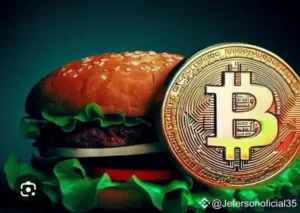
The Birth of Crypto Burger
The idea of Crypto Burger first gained attention when small cafés and burger joints began accepting cryptocurrency as payment around 2017–2018. Bitcoin and Ethereum were just starting to become mainstream, and businesses looking to attract tech-savvy customers jumped on the opportunity.
However, the real Crypto Burger movement didn’t take off until the rise of NFTs in 2021. Digital artists and food brands began experimenting with virtual food art and blockchain-based loyalty programs. Imagine owning an NFT of a burger that gives you lifetime discounts at a real restaurant — that’s exactly what some early Crypto Burger projects offered.
Brands like BurgerSwap, CryptoBurgers NFT, and even decentralized food marketplaces helped popularize the term. The concept soon evolved beyond just accepting digital coins; it became a fusion of blockchain culture and culinary experience.
What Exactly Is a Crypto Burger?
At its core, a Crypto Burger can mean several things depending on the context:
-
A Restaurant Concept – A physical or virtual burger brand that accepts cryptocurrency payments (e.g., Bitcoin, Ethereum, or stablecoins).
-
An NFT Collection – Digital art of unique burger designs, sometimes linked to real-world perks such as free meals, membership rewards, or exclusive events.
-
A Metaverse Brand – A virtual burger shop inside the metaverse (like Decentraland or The Sandbox), where users can buy, trade, or “eat” digital burgers using crypto tokens.
-
A Crypto Token Project – Some projects launch their own tokens (like $BURGER) to power decentralized food networks, staking systems, or reward programs.
In short, Crypto Burger symbolizes the merger of food, fun, and fintech.
The Technology Behind the Burger
So how does blockchain technology actually fit into the fast-food model?
Here’s a breakdown of how Crypto Burger uses crypto innovations:
a. Payments with Cryptocurrency
Restaurants and virtual kitchens that brand themselves as “Crypto Burgers” often allow customers to pay using Bitcoin (BTC), Ethereum (ETH), or other tokens. This is done through payment gateways like BitPay, CoinGate, or Binance Pay.
Advantages include:
-
Faster global transactions
-
No dependency on traditional banks
-
Attracting crypto-friendly customers
b. Smart Contracts for Loyalty Rewards
Imagine earning blockchain-based tokens every time you buy a burger. These tokens could be redeemed for discounts, free meals, or even governance rights in a restaurant’s community decisions.
Smart contracts — self-executing codes on the blockchain — ensure transparency and automation of these reward systems.
c. NFTs as Collectibles or Memberships
Many Crypto Burger brands issue NFTs representing unique burger designs. Some NFTs serve as membership passes, offering VIP privileges, access to secret menus, or invitations to exclusive events.
For example, a limited-edition “Bitcoin Bacon Burger NFT” might grant the holder free burgers for a year.
d. Decentralized Food Economy
Some projects go even further by introducing a native cryptocurrency (like $BURGER token). Users can stake these tokens, vote on menu changes, or invest in franchise expansions. This creates a community-driven fast-food economy powered by decentralized finance (DeFi).
Crypto Burger and the Metaverse
As virtual worlds become increasingly popular, Crypto Burger has also found its place in the metaverse. Restaurants are setting up virtual burger joints where avatars can interact, dine, and trade in-game tokens.
In platforms like Decentraland, The Sandbox, or Spatial, brands can sell:
-
Virtual burger NFTs as collectibles
-
Branded wearables (aprons, hats, etc.)
-
Virtual “burger meals” that unlock real-world coupons
This cross-reality model bridges the digital and physical worlds. Imagine attending a virtual burger festival, paying in crypto, and receiving a real burger at your doorstep — that’s the immersive experience Crypto Burger is striving for.
Real-World Examples of Crypto Burger Innovations
Let’s look at some real or inspired examples of projects that embody this concept:
a. BurgerSwap (on Binance Smart Chain)
BurgerSwap is a decentralized exchange (DEX) named playfully after burgers. It’s not a literal restaurant, but its branding contributed heavily to the popularity of the “crypto burger” theme. It allows users to swap tokens, provide liquidity, and earn $BURGER tokens.
b. CryptoBurgers NFT
A digital art project launched in 2021 featuring hundreds of unique, hand-drawn burgers on the Ethereum blockchain. NFT holders received perks like access to online communities, crypto-themed events, and giveaways.
c. Real Restaurants Accepting Crypto
Several burger chains — from small startups to franchises — have started accepting Bitcoin and other cryptocurrencies. For example, some Burger King branches in Europe and Latin America have tested crypto payments through partnerships with exchanges like Binance.
d. Virtual Burger Brands
Startups have begun creating “ghost kitchens” (delivery-only restaurants) that market themselves as Crypto Burger joints. They use blockchain to track ingredients, manage digital payments, and even tokenize their brand equity.
Why Crypto Burger Matters
The rise of Crypto Burger is not just a marketing gimmick — it reflects broader social and technological trends shaping the future of business:
a. Crypto Adoption in Everyday Life
When people can buy burgers with Bitcoin, it normalizes cryptocurrency as a payment method. It brings digital assets closer to mainstream culture.
b. Community Ownership and Transparency
Blockchain allows customers to become stakeholders. With token-based governance, fans can vote on new menu items or restaurant locations — something impossible in traditional business models.
c. Bridging the Digital and Physical
Crypto Burger demonstrates how virtual innovation can create tangible impact. NFTs or metaverse interactions can translate into real-world dining experiences.
d. Marketing Revolution
Food brands using crypto gain massive visibility online. The meme-like appeal of “Crypto Burger” attracts both foodies and crypto enthusiasts, creating viral marketing momentum.

Challenges Facing Crypto Burger Projects
Despite the excitement, Crypto Burger also faces several challenges:
a. Crypto Volatility
If Bitcoin’s price fluctuates wildly, pricing food in crypto becomes complicated. Stablecoins like USDT or USDC may help, but they reduce some of the crypto’s speculative allure.
b. Regulatory Issues
Many countries still lack clear laws on crypto payments or token-based rewards. Restaurants must comply with anti-money-laundering (AML) and taxation policies.
c. Technical Barriers
Not every customer or restaurant owner understands how to use crypto wallets or blockchain apps. Widespread education is needed to make crypto dining mainstream.
d. Environmental Concerns
Some blockchain networks (especially older proof-of-work ones) consume significant energy. Sustainability-focused restaurants may hesitate to align with energy-intensive crypto systems unless they use eco-friendly blockchains.
The Future of Crypto Burger
Looking ahead, the Crypto Burger phenomenon could shape a whole new sector — the “Web3 food economy.” Here’s how the future might unfold:
-
AI + Blockchain Integration: Smart algorithms will personalize orders based on blockchain-stored customer preferences.
-
Tokenized Franchises: Investors worldwide might buy fractional ownership in burger outlets via tokens.
-
Cross-Chain Food Payments: Multi-chain payment systems could allow instant purchases using any asset.
-
Virtual-to-Real Redemption: A burger NFT bought in the metaverse could instantly translate into a real-world delivery via integrated apps.
-
Sustainability Tracking: Blockchain will verify ingredient sourcing, reducing fraud and supporting eco-friendly initiatives.
As technology continues to evolve, Crypto Burger could become a symbol of how digital economies transform the simplest pleasures — like grabbing a burger — into futuristic experiences.
How to Experience Crypto Burger Today
If you’re curious to dive into the world of Crypto Burgers, here are a few practical steps:
-
Get a Crypto Wallet: Use MetaMask, Trust Wallet, or Coinbase Wallet to store and pay with digital currencies.
-
Find Restaurants That Accept Crypto: Search for local eateries or delivery services that allow Bitcoin or Ethereum payments.
-
Explore NFT Projects: Look for burger-themed NFT collections — some include real benefits.
-
Join Crypto Communities: Engage with food + crypto Discord servers or Telegram groups to discover upcoming projects.
-
Visit the Metaverse: Platforms like Decentraland often host virtual events where brands appear.
Final Thoughts
Crypto Burger isn’t just about eating with Bitcoin — it’s a cultural symbol of innovation, creativity, and digital transformation. It represents how blockchain technology is seeping into everyday life, turning even a humble burger into a futuristic experience.
From NFT loyalty programs to metaverse dining and decentralized restaurant ownership, the possibilities are endless. Whether you’re a crypto investor, a foodie, or simply curious about the future, Crypto Burger serves as a tasty reminder that the blockchain revolution is not only about finance — it’s also about fun, flavor, and the next generation of digital lifestyle.